

Thinning Hair: Causes, Treatments & How to Restore Your Hair

Thinning hair is a gradual condition affecting both men and women, most commonly driven by genetics and hormonal sensitivity, but also triggered by stress, nutritional gaps, and styling damage. Fortunately, most thinning hair causes are treatable, especially when caught early. Proven options range from topical minoxidil and DHT-blocking medications to regenerative therapies like PRP hair treatment and surgical solutions such as FUE or FUT hair transplant for advanced cases. Early intervention and professional evaluation are key to matching the right treatment to your specific situation.
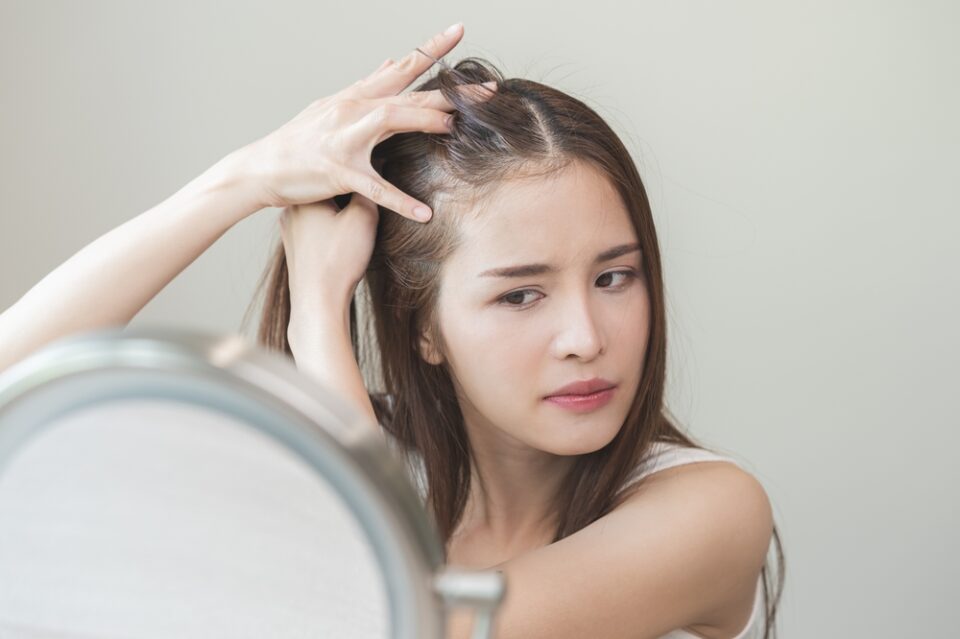
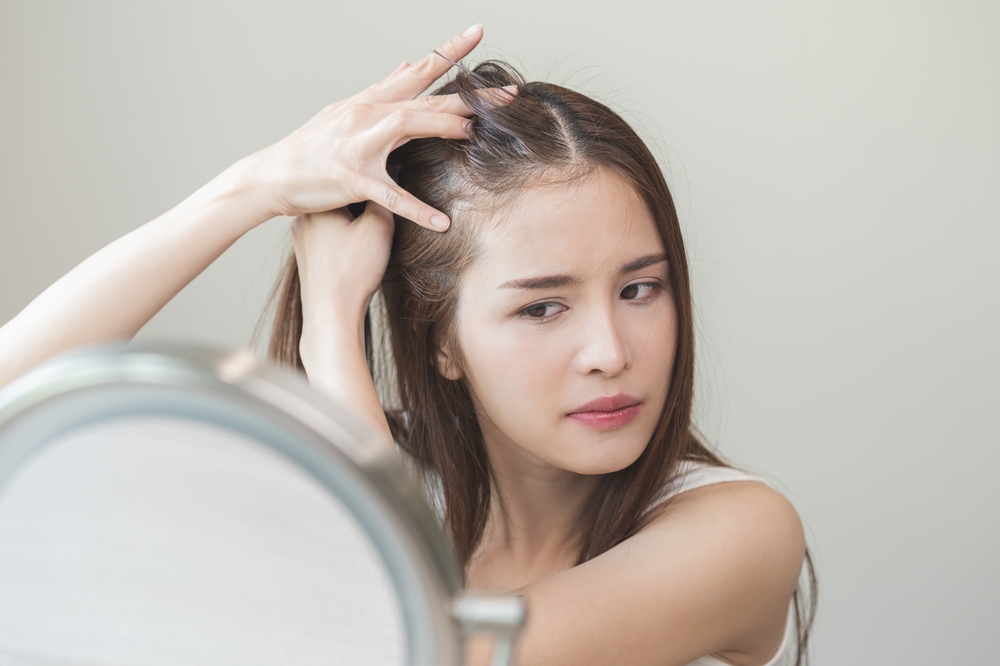
You’re combing your fingers through your hair and see something that troubles you. Your scalp is now more visible, or your ponytail seems thinner. Or, the part in your hair seems wider. Sound familiar? Thinning hair affects roughly half of all men and women at some point in their lives, and it rarely announces itself dramatically. Instead, it creeps in slowly in a way that many people don’t recognize what’s happening until much of their hair density has already been lost.
The good news? Most thinning hair causes are treatable, especially when caught early. The key lies in understanding what’s actually happening beneath your scalp and matching the proper treatment to your specific situation. Since advanced hair loss cases are hard to reverse, let’s get into what you should know before it reaches that stage.
What is thinning hair?
Thinning hair is when hair density gradually decreases to a point where the scalp becomes increasingly visible. It’s not because you’re losing massive clumps, but because individual follicles are shrinking and producing finer, shorter hairs.
Unlike shedding, which is normal (everyone sheds 50 to 100 hairs daily), thinning hair is when you’re losing more than you’re replacing. It’s also different from the distinct bald patches that come with sudden shedding, as hair thinning develops so gradually that most people don’t notice until much of their hair density is already gone.
Thinning hair has early warning signs, such as:
- A widening part line
- A ponytail that feels thinner or requires fewer wraps to secure
- Visible scalp through your hair in photographs
- More hair than usual collecting in your brush or shower drain
These changes are subtle and often happen months or years before hair density becomes noticeably less, which is why catching them early matters.
Common thinning hair causes
Hair doesn’t thin for just one reason. Your follicles respond to genetics, hormones, nutrition, stress, and even how you style your hair. Pinpointing the cause is the first step toward effective thinning hair treatment.
Androgenetic alopecia
This hereditary condition tops the list of thinning hair causes, affecting up to half of all men and women over their lifetime. Androgenetic alopecia stems from follicle sensitivity to dihydrotestosterone (DHT), a hormone derived from testosterone. Over time, DHT causes susceptible follicles to miniaturize until they stop producing visible hair altogether.
Hormonal changes
Thyroid disorders, menopause, postpartum estrogen drops, and conditions like PCOS all alter the hormonal environment your follicles depend on. These causes often overlap with one’s genetic predisposition, so a professional evaluation is most valuable for identifying the cause.
Telogen effluvium
Telogen effluvium is when hair sheds following major physical or emotional stressors, like illness, surgery, extreme diets, high fevers, or significant emotional trauma. Unlike pattern hair loss, telogen effluvium usually reverses once the triggering stress resolves, though recovery takes several months.
Nutritional deficiencies
Hair can thin when it doesn’t get the nutrients it needs, such as when the body has low iron, inadequate protein, and insufficient zinc or biotin. This can especially happen when following crash diets or restrictive eating patterns.
Styling damage and traction alopecia
Excessive styling, such as from tight ponytails, braids, extensions, frequent bleaching, and excessive heat styling, can damage hair follicles over time. This mechanical stress causes traction alopecia, which may become irreversible if the follicles continue to be damaged this way.
Medications and medical conditions
Certain medications, including some chemotherapy drugs, blood thinners, and mood stabilizers, can trigger hair loss. Autoimmune conditions like alopecia areata and scarring alopecias can also cause patchy or permanent thinning that requires specialized treatment.
Thinning hair in men vs. women
While there’s often an overlap in the underlying mechanisms, thinning hair presents differently in men and women.
Male pattern hair loss
In men, androgenetic alopecia typically begins with a receding hairline at the temples and thinning at the crown. Over time, these areas may expand and merge, potentially progressing to extensive baldness while hair around the sides and back remains relatively preserved.
Female pattern hair loss
Women tend to notice a widening part line and diffuse thinning across the top of the scalp, but the frontal hairline usually stays intact, and complete baldness is rare. What makes female hair loss particularly complex is that women often have overlapping causes, in which genetic pattern loss may be “unmasked” or accelerated by hormonal shifts, nutritional deficiencies, or stress-related shedding.
This complexity is precisely why professional evaluation matters, especially for women experiencing hair loss.
Thinning hair treatment options that work

Effective thinning hair treatments match the intervention to the cause, so medical evaluation should come first. The right treatment comes from understanding what’s driving your hair loss.
Medical treatments
- Topical minoxidil (2% or 5%): The only FDA-approved over-the-counter treatment for hair loss in both men and women, minoxidil extends the growth phase of follicles, with results typically appearing after three to six months of consistent use. But it requires consistent use to maintain its benefits.
- Finasteride and dutasteride work by blocking DHT production, slowing or stopping hair loss in roughly 90% of men, but about two-thirds of men experience some regrowth. However, these aren’t approved for women and pose risks during pregnancy.
- Antiandrogens for women, such as spironolactone or certain oral contraceptives, may be prescribed when pattern loss is clearly hormone-related. These require professional supervision and aren’t suitable for women planning pregnancy.
Regenerative therapies
PRP hair treatment concentrates growth factors from your own blood and delivers them directly to struggling follicles through microinjections. This therapy stimulates dormant follicles and improves hair density, particularly when combined with minoxidil or finasteride.
Surgical solutions
When pattern hair loss is advanced or hasn’t responded to medical therapy, a hair transplant in Bangkok offers a permanent solution with natural-looking results.
- FUE hair transplants, also known as follicular unit extraction, harvest individual follicles using a tiny punch tool, leaving virtually invisible dot scars. It’s ideal for shorter hairstyles and typically has a faster recovery, though the technique may yield fewer grafts per session.
- FUT hair transplant, also known as follicular unit transplantation, removes a strip of donor tissue from the back of the scalp, allowing more grafts in a single session. It’s ideal for extensive coverage but comes with the trade-off of a linear scar, which longer hair can easily hide.
The right choice depends on your hair loss pattern, donor characteristics, and coverage goals. Both techniques produce excellent results when performed by experienced surgeons.
Do natural remedies and lifestyle strategies help?
Lifestyle changes alone won’t reverse advanced pattern hair loss, but they provide valuable support to thinning hair alongside medical treatments. These include:
- Healthy diet: A healthy intake of protein, iron, zinc, and omega-3s gives your follicles the raw materials they need. Taking targeted supplements can also meaningfully boost hair health by addressing documented deficiencies.
- Reducing mechanical and chemical damage: Avoid tight hairstyles, limit heat styling, and space out harsh chemical treatments to preserve your hair. Managing chronic stress through adequate sleep and regular exercise can help prevent episodes of telogen effluvium.
That said, don’t fall for “hair growth” shampoos, essential oils, and scalp serums as they won’t reverse pattern hair loss on their own. Think of lifestyle optimization as the foundation, and medical treatments as the active intervention.
When to see a specialist for thinning hair
Unfortunately, pinning down the exact thinning hair causes can be tricky as they can arise from various factors and underlying conditions, like thyroid disorders, autoimmune diseases, or scarring alopecias, which require diagnosis before treatment can begin.
Seek prompt professional evaluation if you’re noticing certain signs like:
- Sudden or rapid shedding in larger amounts than usual
- Hair falling out in distinct patches
- Scalp itching, pain, or tenderness
- Thinning that worsens despite over-the-counter treatments
At your consultation, a specialist will examine your scalp, review your medical history, and likely order blood tests to ensure your treatment plan targets the actual cause.
Even without alarming symptoms, professional evaluation helps identify which thinning hair treatments offer the best return for your specific situation. The earlier you start, the more hair you’re likely to preserve.
Restore your hair today with Nirunda Clinic
Thinning hair is treatable, but success depends on identifying the cause and matching it with the right approach. When the cause is pinpointed, options like medical therapies, PRP hair treatment, and surgical options like FUE and FUT can help maintain your hair density and overall health.
At Nirunda Clinic, our board-certified specialists bring over 10 years of aesthetic surgery experience and offer comprehensive hair restoration solutions in a convenient Bangkok location at Emporio Place, Sukhumvit Soi 24. We serve patients from across Asia and beyond, offering honest assessments and proven results to deliver you the best hair transplants in Bangkok.
Concerned about thinning hair? Book a consultation at Nirunda Clinic to discover the best treatment approach for restoring your hair density. With us, you can rest assured that your hair can be restored to its true, healthy self!
References:
1. DHT (Dihydrotestosterone): What It Is, Side Effects & Levels. 20 December 2022. Cleveland Clinic. Retrieved on January 7, 2026 from https://my.clevelandclinic.org/health/articles/24555-dht-dihydrotestosterone
2. Telogen effluvium. 7 October 2024. Harvard Health. Retrieved on January 7, 2026 from https://www.health.harvard.edu/a_to_z/telogen-effluvium-a-to-z
3. Traction Alopecia: Prevention, Treatment and Causes. 3 July 2017. Healthline. Retrieved on January 7, 2026 from https://www.healthline.com/health/traction-alopecia
4. Alopecia Areata: Symptoms, Causes, Treatment & Regrowth. (date n/a). Cleveland Clinic. Retrieved on January 7, 2026 from https://my.clevelandclinic.org/health/diseases/12423-alopecia-areata
5. Minoxidil (topical route) – Side effects & dosage – Mayo Clinic. (date n/a). Mayo Clinic. Retrieved on January 7, 2026 from https://www.mayoclinic.org/drugs-supplements/minoxidil-topical-route/description/drg-20068750
FAQ
A: Androgenetic alopecia (pattern hair loss) is the leading cause in both men and women. This hereditary condition involves follicle sensitivity to DHT, causing affected hairs to gradually miniaturize over time.
A: Yes, many forms of thinning hair can improve with appropriate treatment. Early-stage androgenetic alopecia, telogen effluvium, and nutrient-related thinning often respond well. However, follicles dormant for extended periods are harder to reactivate, which is why early intervention matters.
A: The most effective approach depends on your specific cause. For pattern hair loss, a combination of topical minoxidil, DHT-blocking medication (for men), and potentially PRP therapy typically delivers the best results. Advanced cases may benefit from hair transplant surgery.
A: Minoxidil typically shows results after three to six months. Finasteride may take six to twelve months for full effect. PRP hair treatment results usually become visible after two to three sessions. Hair transplant results mature over 12 to 18 months.
A: Not exactly. Thinning hair refers to reduced density where hair still grows but becomes finer and sparser. Baldness occurs when follicles stop producing visible hair entirely. Without treatment, thinning can progress to baldness in affected areas.
A: Seek professional evaluation if you notice sudden or rapid shedding, patchy hair loss, scalp discomfort, or thinning that continues despite lifestyle changes. Earlier consultation generally leads to better outcomes.