

What Are Marionette Lines and How to Treat Them
Key Takeaways
Marionette lines are creases that run from the corners of the mouth toward the chin and form through several overlapping factors, including collagen and elastin loss, the downward pull of the depressor anguli oris muscle, fat redistribution in the lower face, sun damage and lifestyle. Topical care and habit changes can slow their progression at the early stage. Deeper folds usually respond best to a combination of filler for volume, Botox for muscle activity and skin firming for laxity.
The two tiny lines around the lower mouth prompt more consultation questions than any other facial aging sign. These wrinkles emerge subtly, frequently noticed first in unposed pictures or during video chats instead of when looking in the mirror. By the time people seek remedies, the lines have been forming for a long time. These are marionette lines, named after the painted lines on a wooden puppet’s mouth. The realistic question is not whether to address them but when, and with what.
What Marionette Lines Are
Marionette lines are vertical creases that run from the outer corners of the mouth down toward the chin. The medical term for them is melomental folds. In the lower face, they typically appear alongside the nasolabial folds, the lines running from the nose to the corners of the mouth, and the two together form a recognizable pattern of lower-face aging.
What sets them apart from smile lines is permanence. Smile lines deepen when you smile and ease when you stop. Crow’s feet appear at the eye corners during laughter and flatten when the face relaxes. Marionette lines, once they are set in, hold their position whether you are speaking, expressing or sitting still. The depth varies widely, from faint shadows that only show in certain lighting to deep folds that remain visible under makeup, depending on age, volume loss in the lower face and overall skin quality.
What Causes Marionette Lines
Marionette lines rarely come from one trigger. The contributing factors usually build up alongside each other over the years:
- Aging. Collagen and elastin production drops gradually from the mid-twenties onward, so the skin thins and loses its support structure. Changes in bone density and muscle tone in the lower face also deepen the creases over time.
- Fat shift. Fat pads in the upper face shrink while fat in the lower face slides downward, pulling the skin into folds near the mouth corners.
- Repeated movement. The depressor anguli oris, the small muscle that pulls the mouth corners down, tightens over decades of talking and expression and adds to the fixed crease.
- Sun exposure. UV radiation breaks down collagen and elastin in the skin, accelerating the sagging and creasing that produce visible lines.
- Lifestyle and genes. Smoking, poor diet, low hydration and inherited skin type all influence how early and how deeply the lines appear.
How to Soften Marionette Lines at Home
Home remedies are effective for early, faint marionette lines, but they can’t restore lost volume. The goal is to slow the advancement and reduce the appearance of the line, with outcomes observed over weeks to months instead of days.
- Skincare. Retinoids, peptides and antioxidant serums support collagen production and skin quality. A daily broad-spectrum sunscreen limits further UV-driven damage that would otherwise speed up the loss.
- Daily habits. Steady hydration, a nutrient-rich diet, enough sleep and avoiding smoking all slow the underlying changes that drive the lines deeper.
- Makeup. A light-reflecting concealer applied along the crease can soften the visible shadow without settling into the fold the way matte products tend to.
Once the fold has set in deeper, home routines stop being enough. At that stage, a clinic treatment becomes the practical next step.
How to Get Rid of Marionette Lines With Clinical Treatments
The right treatment for marionette lines n a clinic setting depends on which cause is dominant: lost volume, muscle pull, or loose skin. In most cases, it is a mix of all three:
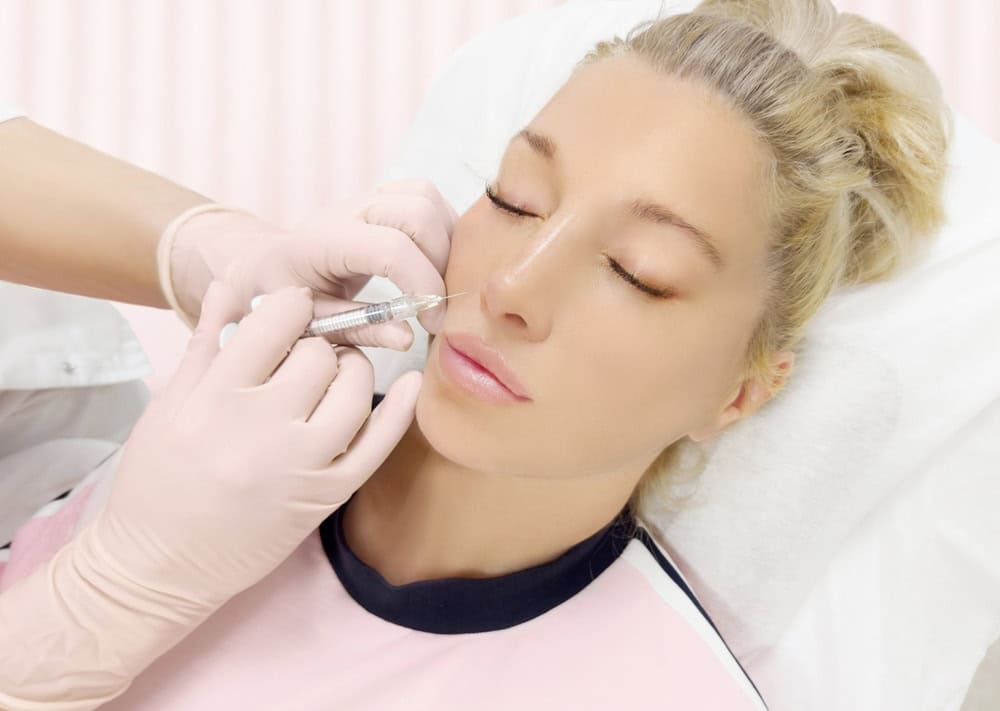
- Dermal fillers. Hyaluronic acid filler restores volume at the mouth corners and lifts the fold from underneath. Results show immediately and typically last six to eighteen months. This is the most common starting point because the change is visible at the first appointment and reversible if any adjustment is needed.
- Botox. Small doses placed in the depressor anguli oris relax the muscle that drags the mouth corners down, softening the downturned look and slowing further deepening. The effect lasts about three to four months before a top-up.
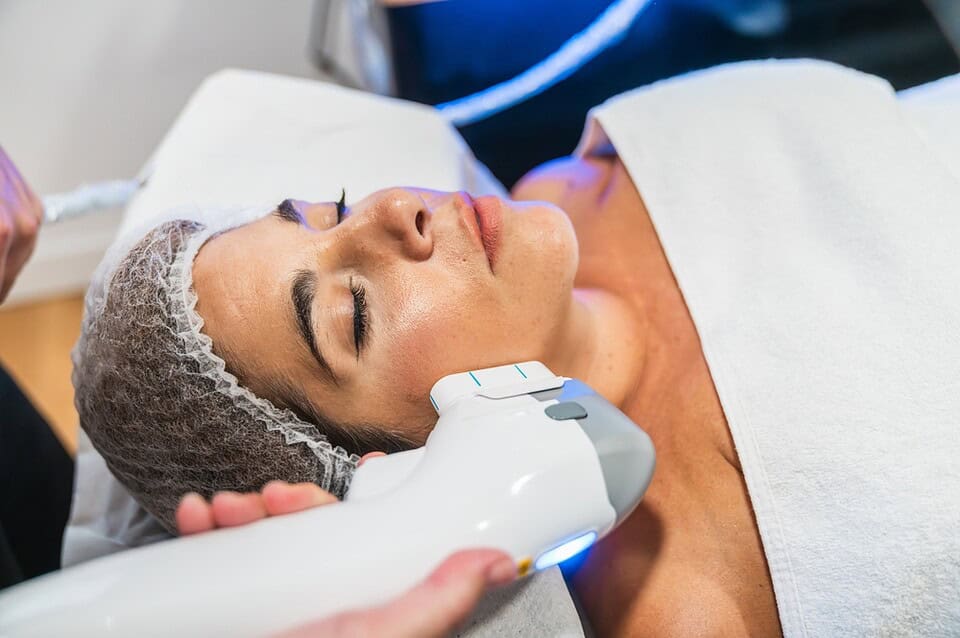
- Skin tightening. Laser, radiofrequency and ultrasound treatments firm loose skin around the fold, while collagen-stimulating injectables like Sculptra work gradually on deeper creases. Skin tightening for the face is most useful when surrounding laxity is also part of the picture.
- Combination approach. Pairing filler, Botox and a tightening treatment addresses multiple aging factors at once, producing a fuller and more lasting result than any single option on its own.
Injecting near the mouth involves several muscles and a dense network of small blood vessels, so a board-certified injector is essential for safe and natural placement.
Treating Marionette Lines With the Right Hands
Marionette lines are vertical creases that run from the corners of the mouth toward the chin, formed through a combination of collagen and elastin loss, fat redistribution in the lower face, muscle pull from the depressor anguli oris, sun damage and lifestyle factors. Minor cases improve with regular skincare and lifestyle adjustments, whereas more pronounced folds usually require professional clinic treatments for significant softening.
With more than ten years in medical aesthetics, Nirunda Clinic features board-certified dermatologists serving patients from home and abroad. The clinic offers Botox in Bangkok, with filler and skin tightening available under the same roof, so the treatment plan can match the actual cause of the line rather than being limited to a single service. One-on-one consultations, precise injection technique and clear aftercare guidance produce natural results that keep normal facial expression intact.
The sooner you start, the easier marionette lines are to treat. Book a consultation at Nirunda Clinic before the folds settle in deeper.
References:
- Marionette Lines. Retrieved on 8 June, 2026 from https://my.clevelandclinic.org/health/diseases/23028-marionette-lines
- What is the depressor anguli oris? Retrieved on 8 June, 2026 from https://www.medicalnewstoday.com/articles/depressor-anguli-oris
Frequently Asked Questions About Marionette Lines
Q: At what age do marionette lines typically appear?
A: They often begin to show in the late thirties or early forties, but timing varies widely based on genetics, sun exposure and skin quality. Some people see faint lines in their late twenties, while others remain free of visible folds well into their fifties. Early treatment is generally easier than addressing deep, established folds later on.
Q: How long do marionette lines treatment results last?
A: It depends on the method. Hyaluronic acid filler in the mouth corner area typically lasts six to eighteen months. Botox relaxes the muscle pulling the mouth corners down for around three to four months. Skin tightening with laser, radiofrequency or ultrasound produces gradual improvement that can hold for one to two years with maintenance sessions.
Q: Are marionette lines reversible without surgery?
A: In most cases, yes. Non-surgical treatments such as dermal filler, Botox and skin tightening can significantly reduce the depth and appearance of marionette lines, especially when combined. Surgery such as a lower facelift is typically only considered for very advanced cases with significant skin laxity that injectables alone cannot address.
Q: Can Botox alone fix deep marionette lines?
A: Botox helps by relaxing the muscle that pulls the mouth corners downward, which slows further deepening and softens the downturned appearance. However, it does not restore lost volume. Deep marionette lines usually need a combination of filler for volume and Botox for muscle relaxation to see meaningful improvement.