
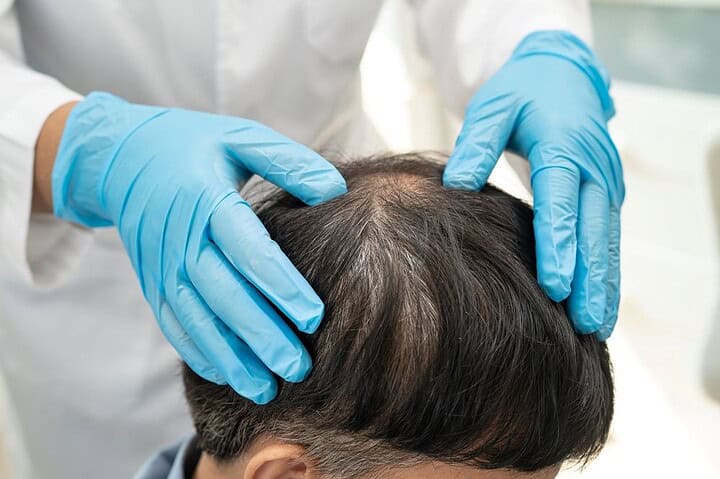
Explore The Right Hair Loss Treatment In Bangkok For You

Key Takeaway:
- Choosing the right hair loss treatment in Bangkok depends on your hair loss stage, not just personal preference
- Non-surgical options like PRF therapy and stem cell therapy work best for recent thinning with active follicles
- Surgical solutions including FUE and FUT hair transplant deliver permanent results for visible scalp areas
- Applying treatments to completely bald areas waste time and money since follicles are no longer viable
- Professional scalp assessment prevents costly trial-and-error and matches you with the most effective treatment
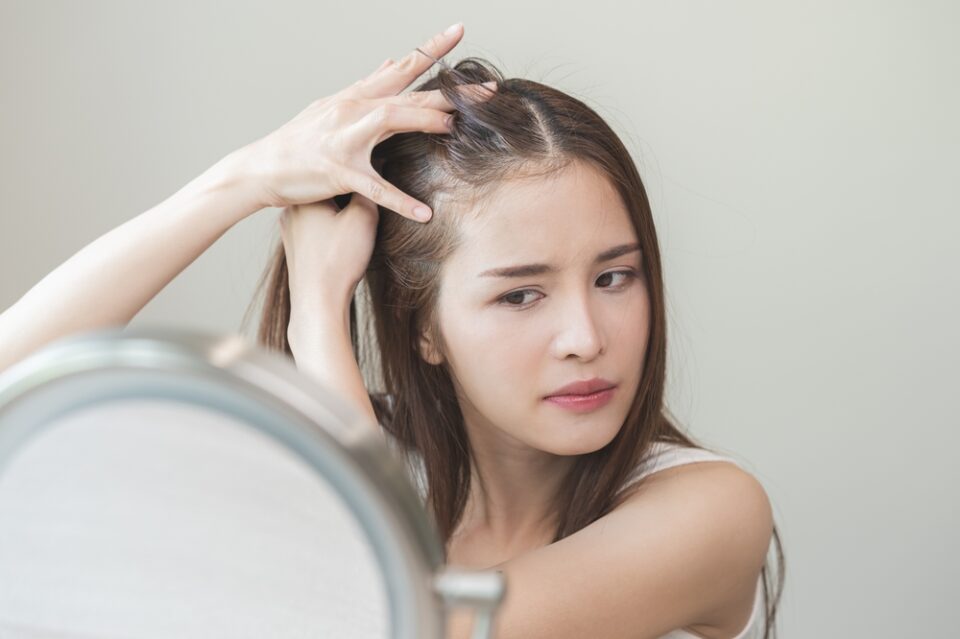
Most people dealing with thinning hair make the same mistake: they try products, serums, or clinic treatments without understanding what stage of hair loss they are actually in. This trial-and-error approach often wastes months, sometimes years, before they find something that works.
The reality is that your ideal hair loss treatment in Bangkok depends less on what is trending and more on your specific hair loss pattern, how long it has been progressing, and what your long-term goals are. If you have been considering a hair transplant in Bangkok, you might not even need one yet. Or you might need one sooner than you think.
At Nirunda Clinic, a specialist aesthetic clinic in Bangkok, patients receive honest assessments before any treatment recommendation. This approach saves time, prevents wasted spending, and connects each person with the hair loss treatment options that actually suit their situation.
Questions To Ask Before Choosing A Treatment
Before choosing any treatment, you need to answer a few essential questions honestly. These factors will shape which direction gives you the best outcome.
- How long have you been losing hair? Hair loss within the past two to three years often responds well to non-surgical treatments. Longer durations may indicate that follicles have already become dormant or inactive.
- Is your hair loss stable or still progressing? Active hair loss that continues spreading needs different management than hair loss that has stabilized in a predictable pattern.
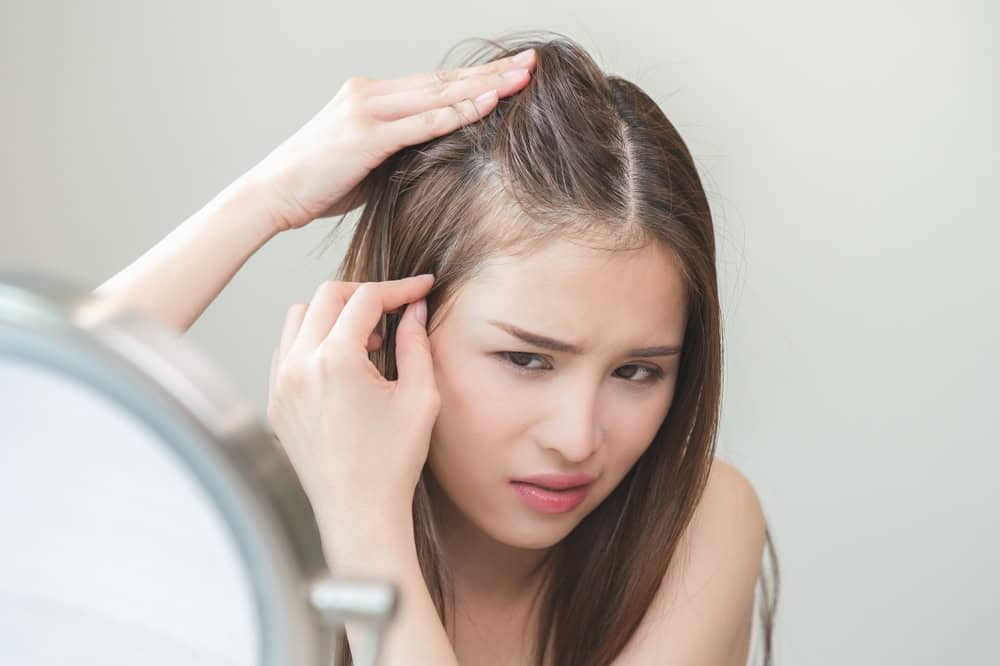
- Can you see your scalp clearly, or do you just notice thinning? Visible scalp through the hairline, crown, or temples usually signals more advanced loss that may require surgical restoration.
- What is your commitment level? Some treatments require multiple sessions over several months. Others, like surgery, offer a one-time procedure with permanent results.
Your answers to these questions help determine whether non-surgical hair loss treatment options can still work for you, or whether a hair transplant in Bangkok makes more sense for your stage.
When Non-Surgical Treatments Work Best
Non-surgical approaches are ideal when hair follicles are still alive and capable of producing hair. If your hair loss is relatively recent and you notice general thinning rather than completely bald patches, you are likely a good candidate for regenerative treatments.
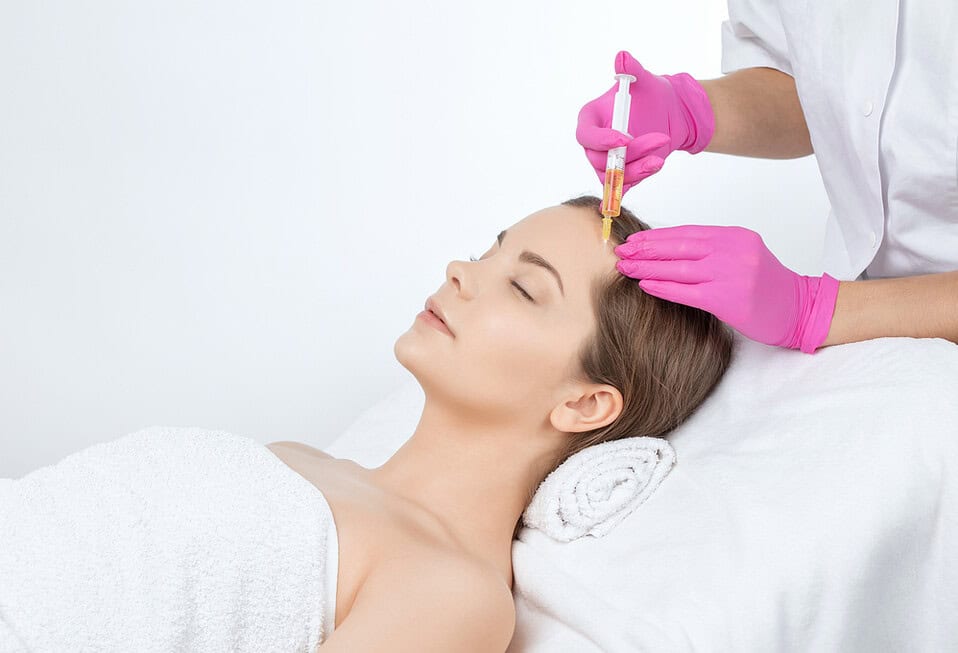
- PRF therapy (Platelet-Rich Fibrin) uses growth factors from your own blood to stimulate dormant follicles and improve hair density. Research shows that PRF releases healing factors slowly over time, which may lead to longer-lasting results compared to older PRP treatments. Most patients see noticeable improvements in hair texture and reduced shedding within a few months, with results lasting 12 to 18 months when combined with maintenance sessions.
- Stem cell therapy represents another advanced option that uses regenerative cells to reactivate weakened follicles. Clinical studies indicate mean increases in hair density and thickness, particularly in patients with moderate hair loss who still have viable follicles.
Non-surgical treatments work best when you:
- Have experienced hair loss within the last two to three years
- Notice overall thinning rather than large bald patches
- Are willing to commit to multiple treatment sessions
- Want to preserve and strengthen existing hair
When You Likely Need Surgical Restoration
Surgery becomes the better option when non-surgical treatments cannot deliver enough density, or when hair loss has progressed to visible scalp areas. If you can clearly see your scalp through your hairline, crown, or temples, your follicles in those areas may no longer be active enough for regenerative treatments to work.
- FUE (Follicular Unit Extraction) works well for smaller areas. This technique extracts individual hair follicles and transplants them to thinning zones. Recovery is relatively quick, and the procedure leaves minimal scarring.
- FUT hair transplant (Follicular Unit Transplantation) allows surgeons to harvest a larger number of grafts in a single session. A thin strip of scalp is removed from the donor area, dissected into individual follicular units under microscopic magnification, and transplanted to balding areas. This method is especially effective for patients needing maximum coverage because it yields more grafts per session and typically has higher follicle survival rates.
A FUT hair transplant is often recommended when:
- You need extensive coverage in one procedure
- Previous non-surgical treatments have not delivered enough density
- You have a strong donor area at the back and sides of your head
- You prefer a one-time procedure with permanent results
The trade-off with FUT hair transplant is a fine linear scar at the donor site, which longer hair can easily conceal.
Common Mistakes to Avoid
Many patients delay effective treatment or waste money on the wrong approach simply because they skip professional evaluation. Here are the most common mistakes:
- Applying treatments to completely bald areas. If follicles in an area have been dormant for years, regenerative therapies cannot revive them. Only transplantation can restore hair to these zones.
- Choosing treatments based on cost alone. The cheapest option is not always the most suitable. A treatment that does not match your hair loss stage will cost you more in the long run.
- Skipping professional evaluation. Self-diagnosing your hair loss stage often leads to choosing treatments that cannot work for your situation.
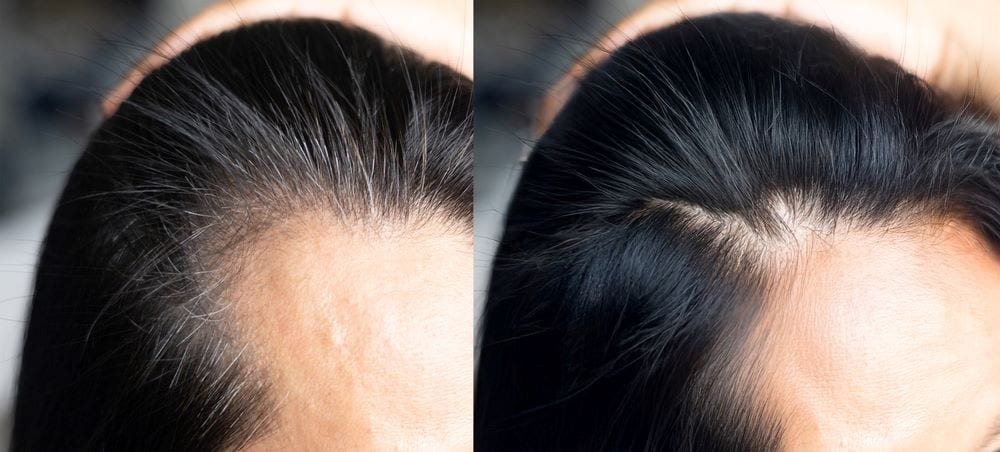
Trust Nirunda Clinic For Expert Hair Loss Treatment Options
Nirunda Clinic, a leading aesthetic clinic in Bangkok, Thailand, offers comprehensive hair loss treatment options under one roof, from regenerative therapies like PRF and stem cell treatment to surgical solutions including FUE and FUT hair transplant. What sets the clinic apart is the commitment to honest, personalized assessment before recommending any treatment.
The clinic’s experienced hair restoration specialists evaluate your scalp condition, hair loss pattern, and donor area quality during an initial consultation. They then create a customized plan based on realistic expectations and your specific goals.
Why you should choose Nirunda Clinic:
- Full scalp assessment before any recommendation
- Both non-surgical and surgical hair loss treatment options
- Board-certified surgeons experienced in FUE and FUT techniques
- English-speaking staff with international patient support
- Transparent pricing and detailed treatment timelines
International patients can complete their entire hair transplant in Bangkok with just a one-week stay*, including consultation, procedure, and follow-up care.
*Timeline might vary depending on patient needs
Match Your Treatment to Your Stage
The best hair loss treatment in Bangkok is the one that matches your current stage, your goals, and your lifestyle. Regenerative treatments work well for early-stage thinning. Surgical options like FUT hair transplant or FUE deliver permanent results when hair loss has progressed beyond what non-surgical methods can address.
Professional evaluation removes the guesswork and connects you with the treatment that actually fits your situation. At Nirunda Clinic, the focus is on giving patients clear answers and effective plans rather than pushing unnecessary procedures.
Schedule a consultation at Nirunda Clinic to get an expert assessment of your hair loss and a personalized recommendation that makes sense for your stage, budget, and long-term goals.
FAQs about Hair Loss Treatment Options
Q: How do I know if I need a hair transplant or non-surgical treatment?
A: The main factor is your hair loss stage. If you still have active follicles and recent thinning, non-surgical options like PRF therapy may work. If you have visible scalp areas with no active hair growth, a hair transplant is likely the better solution.
Q: What is the difference between FUE and FUT hair transplant?
A: FUE extracts individual follicles one by one and is ideal for smaller areas with minimal scarring. FUT hair transplant removes a thin strip from the donor area to harvest more grafts per session, making it better for extensive coverage. FUT typically yields higher graft counts but leaves a fine linear scar.
Q: How long do hair transplant results last?
A: Hair transplant results are permanent. Transplanted follicles are genetically resistant to balding and will continue growing throughout your lifetime.
Q: Can I combine non-surgical and surgical treatments?
A: Yes. Many patients use PRF therapy or stem cell treatment to strengthen existing hair while undergoing a transplant for bald areas. Combining treatments can optimize overall density and hair health.
Q: How long is recovery after a FUT hair transplant?
A: Most patients return to light activities within a few days and can resume normal work within five to seven days. Transplanted hair sheds around weeks two to three, which is normal. New growth begins at three to four months, with full results visible at 12 to 18 months.
References:
- PRF For Hair Loss: Effectiveness, Costs, Side Effects (n.d.). Wimpole Clinic. Retrieved February 4, 2026, from https://wimpoleclinic.com/blog/prf-for-hair-loss/
- Effectiveness of Injectable Platelet‑Rich Fibrin Therapy in Alopecia (n.d.). National Institutes of Health (PMC). Retrieved February 4, 2026, from https://pmc.ncbi.nlm.nih.gov/articles/PMC11247247/
- Stem Cell Hair Transplants: Procedure, Effectiveness, Safety (n.d.). Healthline. Retrieved February 4, 2026, from https://www.healthline.com/health/stem-cell-hair-transplant
- Human Stem Cell Use in Androgenetic Alopecia: A Systematic Review (n.d.). National Institutes of Health (PMC). Retrieved February 4, 2026, from https://pmc.ncbi.nlm.nih.gov/articles/PMC10047891/