

Under-Eye Filler in Bangkok for Brighter, Refreshed Eyes

Key Takeaways
- Under-eye filler is a non-surgical hyaluronic acid (HA) treatment that restores volume to the hollow tear trough, softening the shadow that reads as a dark circle. Results are visible immediately.
- It works best as an under-eye filler for dark circles caused by hollowing and volume loss. Darkness from pigment or very thin skin needs a different treatment.
- At Nirunda Clinic, tear troughs are treated by a board-certified doctor using US FDA-approved fillers (Juvéderm and Restylane), with a blunt cannula where appropriate in this delicate area.
- Tear trough results typically last about 9 to 12 months and are fully reversible with hyaluronidase if needed.
- Under-eye filler cost in Bangkok at Nirunda starts from around THB 12,000 to 18,000 per side, confirmed at consultation based on the product and volume required.

Table of contents
- Under-Eye Filler in Bangkok for Brighter, Refreshed Eyes
- Key Takeaways
- How Under-Eye Fillers Work and Filler Types Used
- Are You a Good Candidate for Tear Trough Fillers?
- The Under-Eye Filler Procedure at Nirunda Clinic
- Benefits and Potential Side Effects
- Aftercare and Longevity Guidelines
- Longevity
- Under-Eye Filler Cost in Bangkok at Nirunda Clinic
- Why Choose Nirunda Clinic in Bangkok?
- Frequently Asked Questions About Under-Eye Fillers in Bangkok
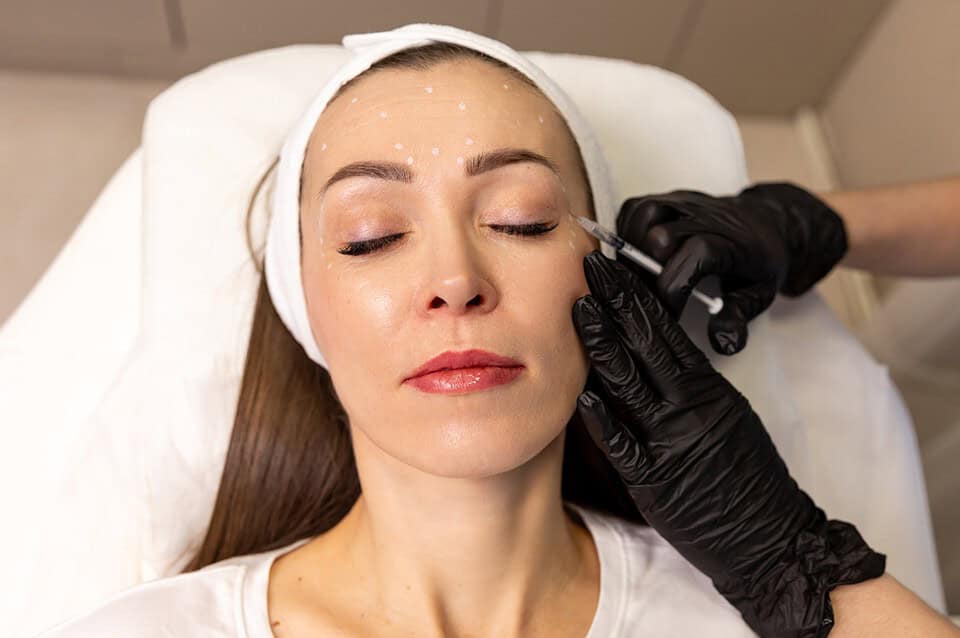
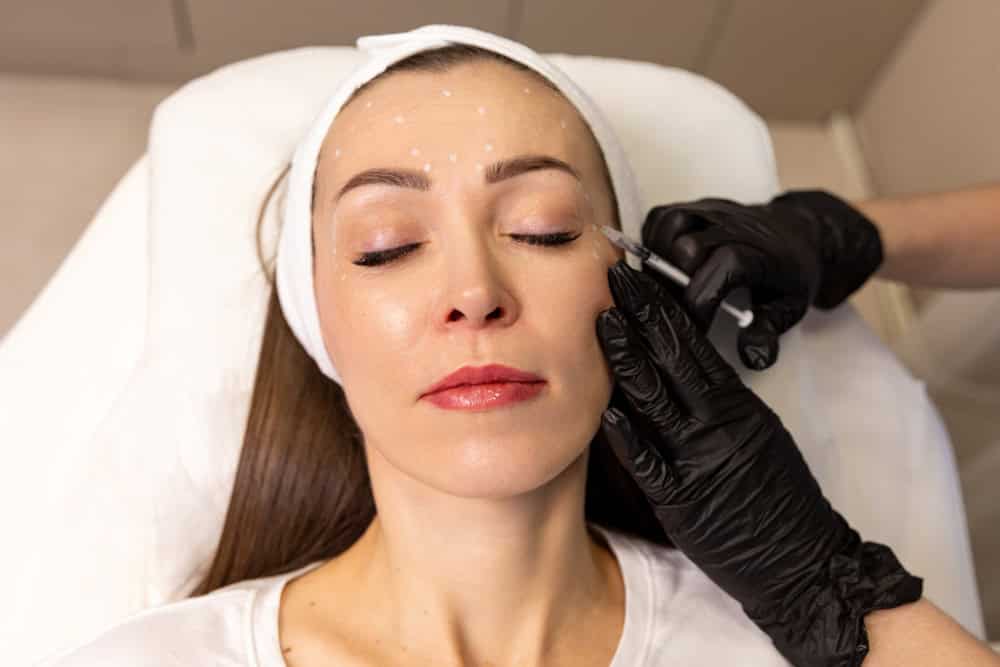
If the area beneath your eyes looks hollow or shadowed, under-eye filler in Bangkok offers a gentle, non-surgical way to freshen it by replacing the volume that time has quietly worn away. At Nirunda Clinic, an aesthetic clinic in Bangkok, a board-certified doctor places a soft hyaluronic acid (HA) filler injection into the tear trough, smoothing the hollow that so often casts the shadow people mistake for a dark circle. There is no surgery and little downtime, and you can usually see the difference the same day.
The skin beneath the eyes is some of the thinnest on the whole face, so it tends to show tiredness and age before anywhere else. As the tear trough deepens, that little valley sinks into shadow and can leave you looking worn out even on the days you feel fine. Under-eye filler restores the volume that has been lost, gently and naturally, and because the doctor is working in such a delicate spot, careful technique and safety guide every step.
How Under-Eye Fillers Work and Filler Types Used
How Hyaluronic Acid Filler Works
Hyaluronic acid is a sugar your body already makes, and its natural job is to bind water and keep tissue soft and cushioned. When a small amount is placed under the eye, the HA settles into the hollow and draws water into the tissue around it, which lifts the dip and eases the shadow above it. Manufacturers cross-link the gel so it holds its shape and breaks down slowly, and for skin as fine as the under-eye area they choose a soft, flexible version that sits comfortably without looking stiff.
FDA-Approved Fillers Used at Nirunda Clinic
Nirunda Clinic only works with fillers that carry US FDA approval and Thai FDA registration, all sourced through authorized distributors. In practice that means Juvéderm, from Allergan Aesthetics, and Restylane, from Galderma. Every syringe is opened in front of you and its batch label goes straight into your file, so you always know exactly what has been used. For the tear trough itself, the doctor reaches for a softer product designed for the delicate skin around the eyes.
Fillers vs. Botox
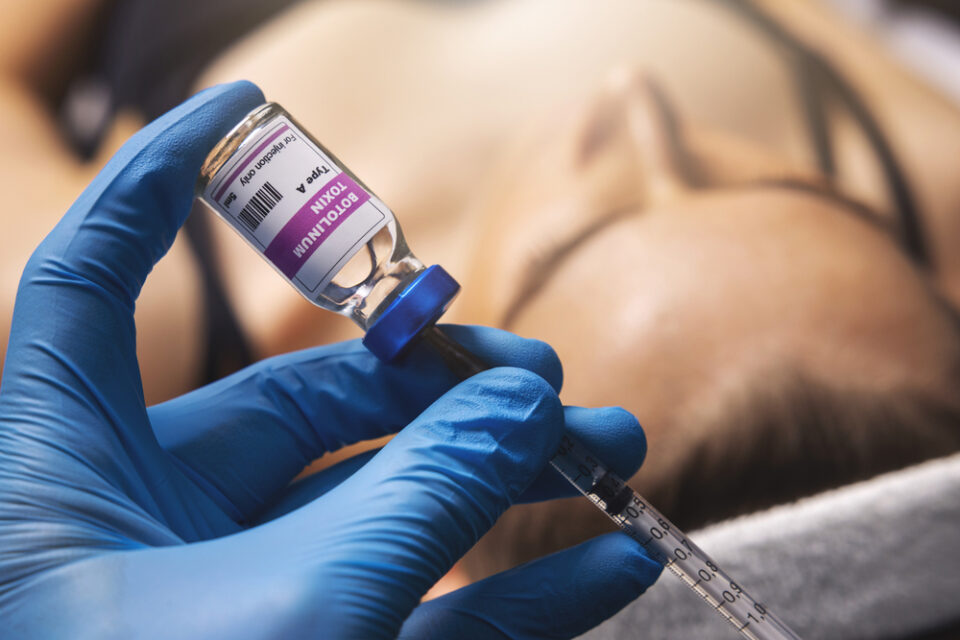
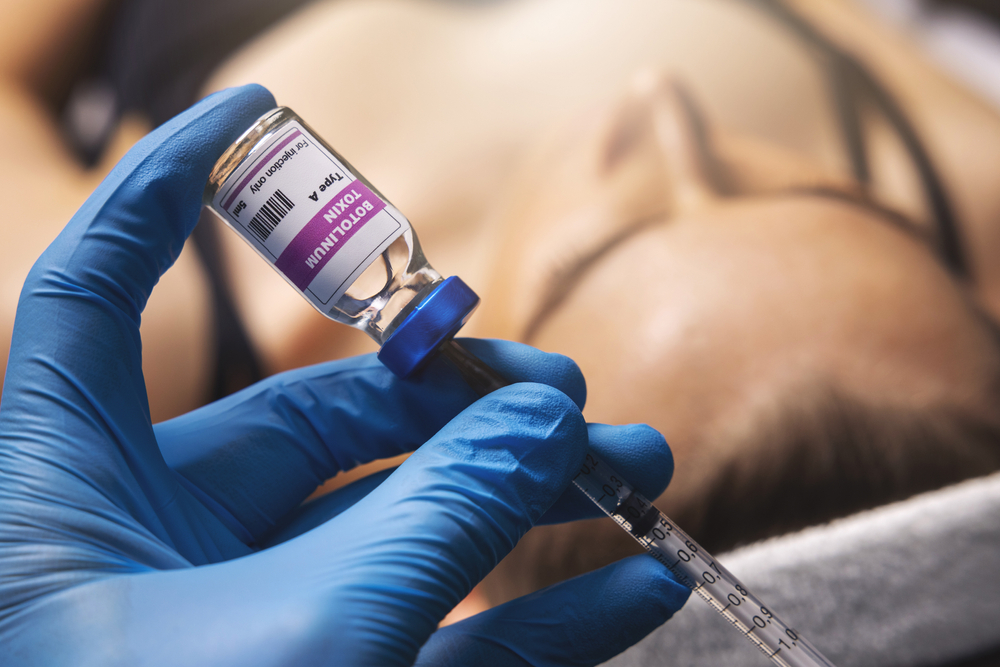
Fillers and Botox often get mentioned in the same breath, yet they solve quite different problems, and the under-eye area sometimes benefits from a little of each. Filler is about volume. It fills the sunken tear trough and smooths the hollow shadow, with results you can see immediately that last for months. Botox works on movement instead, relaxing the crow's feet that appear at the outer corner of the eye when you smile or squint. It takes a few days to show and fades sooner than filler, which is why a doctor may suggest it as an optional companion rather than a substitute.

Are You a Good Candidate for Tear Trough Fillers?
Ideal candidates
You are probably a good fit for under-eye filler if the hollow and the shadow are the real issue. That usually looks like this:
- You have lost volume and your tear trough looks hollow
- Your dark circles come from that hollow casting a shadow
- Your eyes look tired or sunken because of lost volume rather than pigment
- You are in generally good health, have realistic expectations, are over 22, and are not pregnant or breastfeeding
When Filler Is Not The Right Choice
It helps to be honest about the limits and under-eye filler for dark circles works beautifully when the darkness is simply a shadow thrown by a hollow. It cannot lighten darkness that comes from pigment (hyperpigmentation) or from very thin skin, and adding filler in those cases can make the area look worse rather than better. It is also the wrong tool for loose, sagging skin, which needs a different kind of treatment altogether.
A Note On Filler For Under-Eye Bags
A lot of people search for filler for under-eye bags, so it is worth being clear about what filler can and cannot do. It smooths the hollow groove and lifts the shadow that groove creates. What it will not do is remove the true fat pads that bulge below the eye, and placing filler on top of a genuine bag tends to make it more noticeable. When the real problem is a prominent fat bag or loose skin, lower eyelid surgery (blepharoplasty) is usually the better route, and the doctors at Nirunda Clinic will tell you so honestly at your consultation.
The Under-Eye Filler Procedure at Nirunda Clinic
-
Step 1: Facial analysis and consultation
Every treatment starts with a proper consultation. A board-certified doctor goes through your medical history, then studies your under-eye area both at rest and as you move, checking whether restoring volume is genuinely the right answer for what is bothering you.
-
Step 2: Comfort and preparation
Once the plan is agreed, the area is cleansed and a topical numbing cream, sometimes with a little ice, is applied so the treatment stays comfortable. Most HA fillers also contain lidocaine, which takes the edge off any sensation even further.
-
Step 3: Precision micro-cannula technique
In a spot this delicate, the doctor will often use a blunt micro-cannula rather than a sharp needle. Working this way helps limit bruising and swelling and lowers the risk to the small blood vessels that run around the eye.
-
Step 4: Immediate results and review
The product goes in slowly and is smoothed into place, with the doctor checking symmetry along the way. You see the result there and then, leave with written aftercare and a number to call if anything worries you, and come back at two weeks once any swelling has settled.
Benefits and Potential Side Effects
Under Eye Filler Benefits
There is a lot to like about under-eye filler when it is done well:
- Volume returns to the tear trough immediately, and it still looks like you
- Downtime is minimal, so most people head back to their day without missing a beat
- Because HA draws water into the skin, the area picks up a little extra hydration too
- If you are ever unhappy, the filler can be fully dissolved with hyaluronidase
Safety and Potential Risks
Under-eye filler is generally very well tolerated in experienced hands, but it is still a medical procedure and deserves to be treated with the same care. The tear trough is the most demanding area on the entire face: the skin is under a millimeter thick, and the blood vessels here connect to the circulation around the eye. That is exactly why who holds the needle matters far more than which brand is in it.
Most of what you might notice is mild and settles on its own:
- Some swelling, redness, or tenderness for the first 24 to 72 hours
- Pinpoint bruising that can take up to a week or two to fade
- A little firmness or unevenness as the product settles, usually within two weeks
Less often, you might see:
- The Tyndall effect, a faint bluish tint when product sits too close to the surface
- Small lumps or nodules, often smoothed out with massage or hyaluronidase
- Infection, or a delayed inflammatory reaction some weeks later
Rare but serious, and the reason your choice of clinic really counts:
Vascular occlusion, where filler blocks or presses on a blood vessel. Published estimates put the risk at well under 0.1% of treatments. It is kept low by correct depth and technique, cannula use where appropriate, and quick recognition. Nirunda Clinic keeps hyaluronidase on site and follows a written emergency protocol with a 24-hour contact line.
Aftercare and Longevity Guidelines
First 24 to 48 hours
For the first day or two, give the area a little extra care:
- Skip strenuous exercise, saunas, steam rooms, and intense heat
- Leave alcohol for another day
- Try not to press, rub, or massage the area, and go without makeup on it for the first day
- Sleep with your head slightly raised, and on your back if you can
Longer-term care
After that, a few simple habits protect the result:
- Wear sunscreen daily and use sunglasses to shield the delicate under-eye skin
- Stay hydrated and keep to a gentle skincare routine
Longevity
Tear trough results tend to last somewhere around 9 to 12 months. How long it holds depends mostly on the product used and how much that part of your face moves, rather than on your metabolism, which is a common misunderstanding. When the effect starts to fade, a quick touch-up appointment brings it back.
Under-Eye Filler Cost in Bangkok at Nirunda Clinic
Under-eye filler cost in Bangkok really comes down to two things: which product is used, and how much of it you need, which is usually somewhere between 0.5 and 1 ml per side. At Nirunda Clinic, tear trough treatment starts from around THB 12,000 to 18,000 per side as a guide, and your exact plan and price are agreed at the consultation, before anything is injected.
What Is Included
That price is not just for the syringe. It covers:
- A full medical consultation and facial assessment with a board-certified doctor
- Premium, FDA-approved product
- The injection procedure itself
- A follow-up review at two weeks
What Affects The Price
A few things move the number up or down:
- The product and brand chosen
- How much volume your anatomy actually needs, rather than what you might ask for
- Whether more than one area is treated in the same visit
Why Choose Nirunda Clinic in Bangkok?
Where you have under-eye work done shapes the result as much as anything, so it is worth choosing carefully. Here is what you can expect at Nirunda:
- Care led by a board-certified doctor from start to finish, backed by more than a decade of experience in medical aesthetics
- Genuine, FDA-approved products only, registered with the Thai FDA and recorded by batch number in your file
- A proper safety net: hyaluronidase kept on site, a written protocol for vascular emergencies, and a 24-hour line if you have concerns
- A two-week review built into your treatment, so the result is checked once the swelling has gone
- A warm welcome for international patients, with consultations in English, Japanese, and Thai and a central location near BTS Promphong
At your consultation, our doctors are glad to walk you through real unde- eye filler before and after photos of patients treated here at Nirunda Clinic. Looking through tear trough under-eye filler before and after images of people whose eyes started out like yours is the honest way to picture what the treatment can realistically do for you.
Curious what under-eye filler could do for your eyes? Book a consultation at Nirunda Clinic, and let our board-certified doctors build a treatment plan around you.
Frequently Asked Questions About Under-Eye Fillers in Bangkok
Q: Do under-eye fillers help with dark circles?
A: Often, yes. If your dark circles come from a hollow that throws a shadow, filling that hollow can make a real difference. If the darkness is due to pigmentation in the skin, though, topical treatments or lasers will serve you better.
Q: Is under-eye filler safe?
A: In the hands of a qualified doctor it is generally very safe and well tolerated. Most people get nothing worse than mild swelling and a little pinpoint bruising that fades within a few days. The rare but serious risks, such as vascular occlusion, are exactly why a board-certified injector, hyaluronidase on site, and a written emergency plan matter so much.
Q: Is getting tear trough filler painful?
A: Not really. The doctor applies a topical numbing cream first, and most premium HA fillers contain lidocaine, a local anesthetic, so any discomfort is minor and brief.
Q: How long does under-eye filler last?
A: Tear trough results usually last around 9 to 12 months before they gently fade, at which point a follow-up appointment refreshes them. How long yours last comes down to the product used and how much the area moves.
Q: How long does it take for under-eye filler to settle?
A: Most of the early swelling eases within a few days, and the final, smooth result is usually there by about the two-week mark.
Q: What happens if I don't like the results?
A: You are not locked in. HA filler can be dissolved quickly and safely with an enzyme called hyaluronidase, so the change is always reversible.