

Botox vs Dysport: Which Looks More Natural on Your Face?

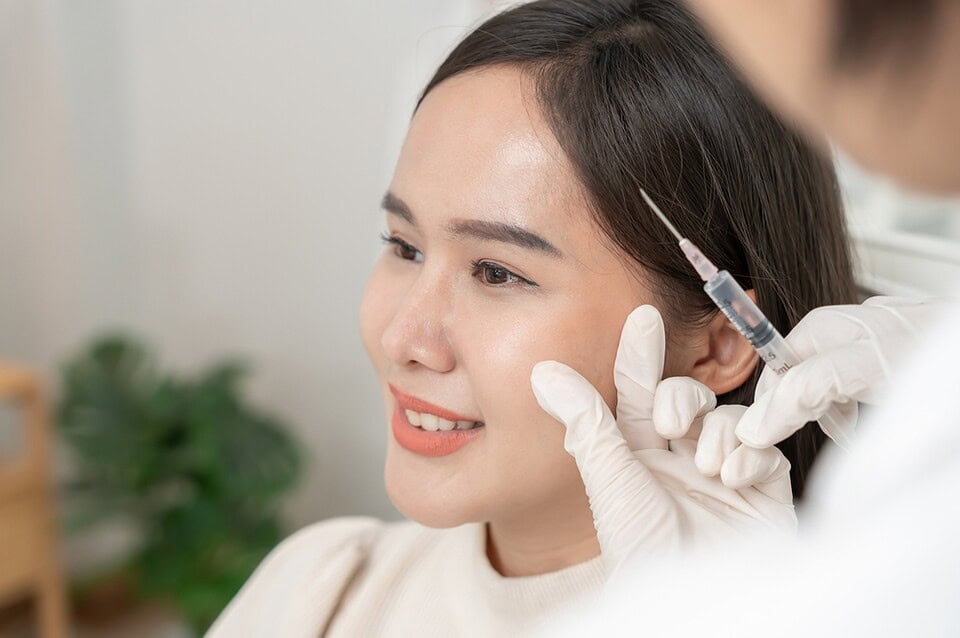
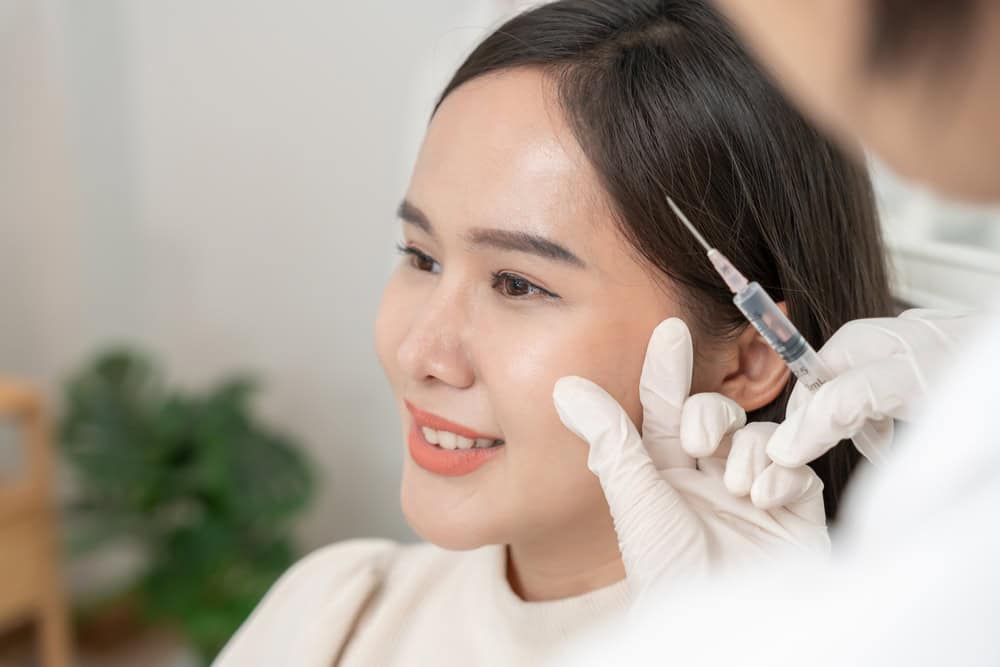
Understanding the differences between Dysport and Botox helps explain why both can deliver natural-looking results when injected correctly. Dysport spreads more evenly across larger areas like the forehead, creating a softer effect, while Botox remains more concentrated, allowing for precise treatment of smaller areas such as crow’s feet and frown lines. For most people wondering which looks more natural, Botox or Dysport, the outcome depends less on the product and more on injector skill, dosing, and facial anatomy, with results generally lasting three to six months.
One of the most common concerns people have about wrinkle relaxers is ending up with a “frozen face.” It’s understandable. Nobody wants to lose the ability to show expressions naturally. The good news is that natural-looking results are very achievable when you choose the right product and work with a skilled injector.
Botox and Dysport are the two most widely used wrinkle relaxers worldwide. Both use botulinum toxin type A to smooth fine lines, but they have different formulations that can affect how results look on your face. Understanding these differences can help you decide which option suits you best.
What Is the Difference Between Botox and Dysport?
Both Botox and Dysport work by temporarily relaxing the facial muscles that cause wrinkles. When these muscles can’t contract as strongly, the skin above them appears smoother. While they share the same basic mechanism, their formulations differ in a few important ways.
For those wondering which country Dysport and Botox are made in, Botox is manufactured by Allergan, now part of AbbVie, in Ireland, while Dysport is produced by Galderma in France. Both products meet strict pharmaceutical standards. The main difference is in how they behave once injected:
- Protein composition: Dysport molecules are smaller and diffuse more widely after injection. Botox stays more concentrated at the injection site.
- Treatment areas: Due to its spread, Dysport is often chosen for broader zones like the forehead. Botox’s precision makes it popular for targeted areas like crow’s feet and frown lines.
- FDA approval: Botox is approved for glabellar lines, forehead lines, and crow’s feet. Dysport is specifically approved for glabellar lines, the vertical lines between your brows, though practitioners commonly use both products across various facial areas.
How Does Dysport Compare to Botox for Natural Results?
This is what most people really want to know: which looks more natural, Botox or Dysport? The truth is that both can produce natural-looking results when used correctly.
The “frozen” look people worry about usually comes from over-treatment or improper technique, not the product itself. A skilled injector understands facial anatomy and tailors the dosage to preserve your natural expressions while smoothing unwanted lines.
One practical difference is in the speed of results. Dysport typically shows results within two to three days, while Botox may take up to a week to fully develop. This timing might matter if you’re preparing for an upcoming event.
How Long Do Results Last?
How long Dysport and Botox last depends on several factors. Generally, Dysport results last three to five months, while Botox lasts three to six months. These ranges overlap because individual factors like metabolism, muscle strength, lifestyle, and treatment frequency all play a role. People with faster metabolisms may notice results fading sooner, while regular maintenance treatments can help extend results over time.
Which Is Better, Botox or Dysport?
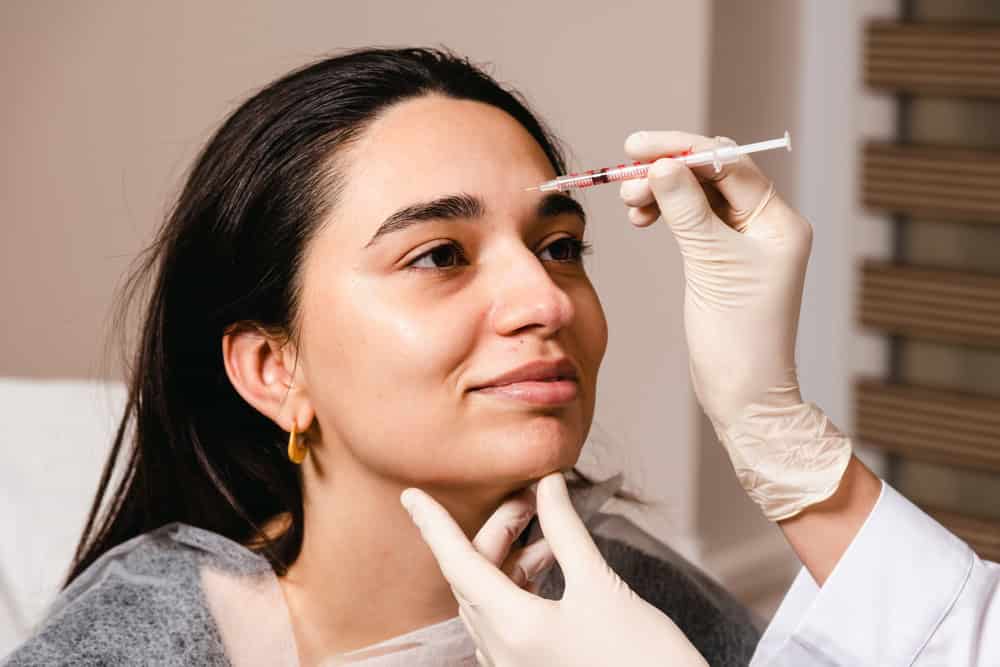
There isn’t a single right answer here. Understanding what is Dysport vs Botox really comes down to finding the right match for your needs, just as seeing how Dysport compares to Botox depends on your specific goals.
Botox may suit you if you:
- Want precise, controlled results
- Are new to injectables and prefer a well-established option
- Don’t mind waiting a week to see full results
Dysport may suit you if you:
- Prefer a softer, more gradual effect
- Wish to see results within a few days
- Are treating a larger surface area
One thing to know: Dysport uses more units than Botox to achieve similar results, typically at a 3:1 ratio. This is just a difference in how the products are measured, not in strength.
Some people also find that their bodies respond better to one product than the other. If you’ve tried one and weren’t happy with the results, the other might work better for you. Also, those with milk allergies should avoid Dysport, as it contains milk proteins.
A consultation with a qualified practitioner can help determine which product is right for you based on your facial structure, goals, and medical history.
Exceptional Results, Elevated Care at Nirunda
Nirunda Clinic’s medical professionals specialize in facial aesthetics and focus on natural-looking enhancement tailored to each patient. The clinic uses only the best Botox brands and authentic products from authorized distributors, ensuring quality and safety.
For those considering Dysport or Botox in Bangkok, Nirunda Clinic has built a strong reputation for personalized care. Book your consultation today to begin the journey toward smoother, natural-looking results.
Reference:
What’s the Difference Between Botox and Dysport? Retrieved January 8, 2025, from
https://www.healthline.com/health/dysport-botox#procedures
FAQ
A: The main difference is how they spread after injection. Dysport diffuses more widely, while Botox stays more localized for precise results.
A: Dysport often looks softer in larger areas, while Botox is ideal for controlled movement in smaller zones. Both can achieve natural results with the right technique.
A: Some practitioners use both in different areas of the face to take advantage of each product’s strengths, though most patients start with one or the other.
A: Results usually last three to five months for Dysport and three to six months for Botox, depending on individual factors like metabolism and muscle strength.
A: Most people feel only a slight pinch during the injection. The needles are very fine, and the procedure is quick, usually taking just 10 to 15 minutes.
A: Yes, some people respond better to one product than the other, so switching can help achieve better results.
A: Those who are pregnant, breastfeeding, or have certain neurological conditions should avoid these treatments. People with milk allergies should skip Dysport specifically.