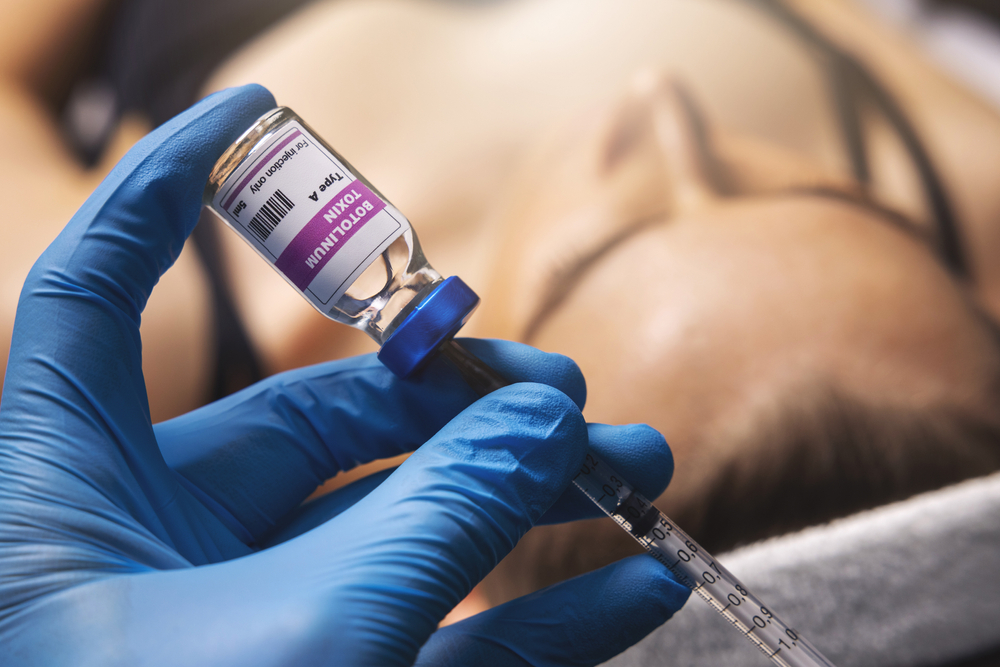

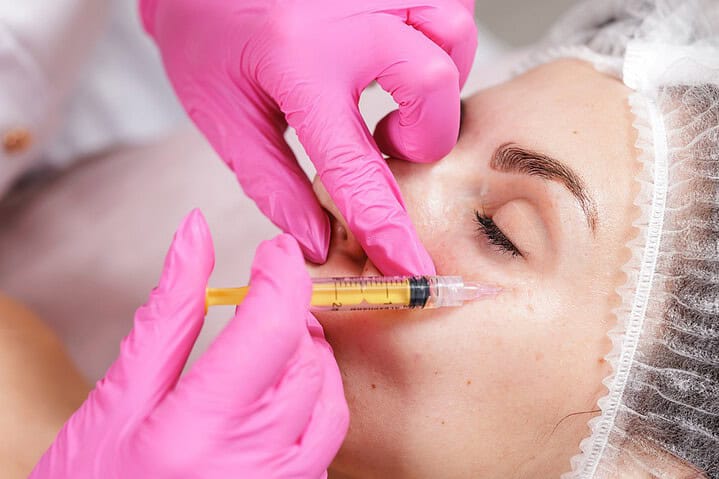
What to Know About PRF Treatment in Bangkok
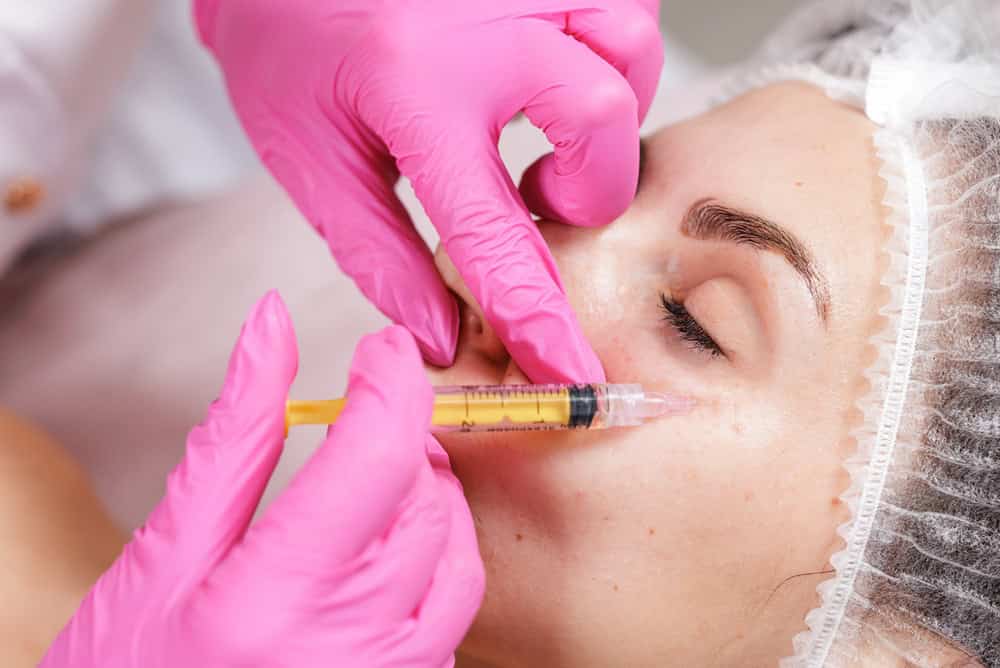
Key Takeaways
- PRF (platelet-rich fibrin) is made from your own blood and prepared without anticoagulant, so it forms a fibrin matrix that releases growth factors gradually.
- For the under eyes, PRF under eyes may improve skin texture and fine lines, but it cannot fill deep hollows or remove pigment-driven dark circles.
- Evidence does not show PRF is better than PRP. The two suit different concerns, and PRF’s benefit around the eyes often fades within about six months.
- A typical PRF for skin course runs around three sessions spaced about a month apart, with short downtime: redness and swelling for a few days, bruising for up to two weeks.
- PRF is not for everyone. Bleeding or platelet disorders, an active infection near the site, and any vision changes after treatment all need medical attention.
- Book a consultation at ouraesthetic clinic in Bangkok to find out whether PRF treatment fits your under-eye and skin goals.
Search PRF under eyes and you will see big promises about dark circles and tired-looking skin. The reality is more specific: PRF uses your own blood to support skin quality, and it can soften fine lines and improve texture in the thin under-eye area. What it will not do is fill a deep hollow or erase pigment. The cause decides the result.
Wondering if PRF is right for your under eyes or skin?
Talk to a doctor about your concern and your options.

What Is PRF and How Does It Work?
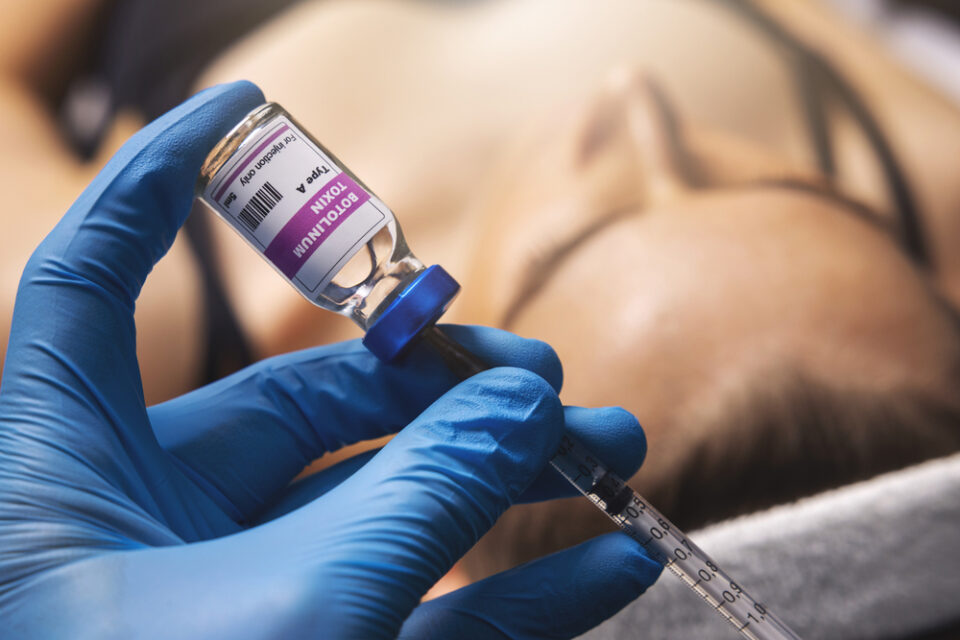
PRF stands for platelet-rich fibrin. It is an autologous preparation, which means it comes from you. A small blood sample is drawn from your arm, spun in a centrifuge, and the platelet-rich fraction is collected for treatment.
PRF differs from PRP in the spin. PRF is prepared at a lower speed and without anticoagulants, so the plasma forms a soft fibrin matrix. That matrix traps platelets and growth factors such as PDGF, TGF-beta, and VEGF, then releases them into the tissue over time.
PRF is called a second-generation platelet concentrate for this reason, arriving after PRP to keep those growth-factor signals active for longer. It is not a filler, as PRF does not add volume the way hyaluronic acid does, so it suits skin-quality concerns more than visible hollowing.
What PRF Under Eyes Can and Cannot Do
Dark circles are a symptom, not a single problem. They can come from pigmentation, from blood vessels showing through thin skin, from volume loss at the tear trough, or from the shadow the lower lid casts. Each one responds to something different.
Research on treatment around the eyes suggests PRF may improve skin texture and fine lines in the thin under-eye area. The benefit is real but modest; it will not fill a deep hollow or erase pigment-driven circles.
Platelet treatments often cannot correct deep hollows, eye bags, or marked sagging. The cause is more important than what PRF promises, so a doctor’s assessment comes before choosing a treatment, and results vary between patients.
Is PRF Really Better Than PRP?
PRF is not strictly better than PRP. Both come from your blood, but they differ in how each is prepared, how consistent the result is, and how long the growth factors stay active once injected.
A 2025 systematic review compared the two for the eye area specifically: PRF may help texture and fine lines, while PRP appeared more effective for pigmentation. Current evidence does not support one being better than the other.
Longevity is another matter. In that review, the benefit from PRF often faded by around six months. A newer preparation does not automatically mean a better result. Which one fits you depends on your concern, your skin, and your doctor’s assessment.
What PRF for Skin Treatment Involves
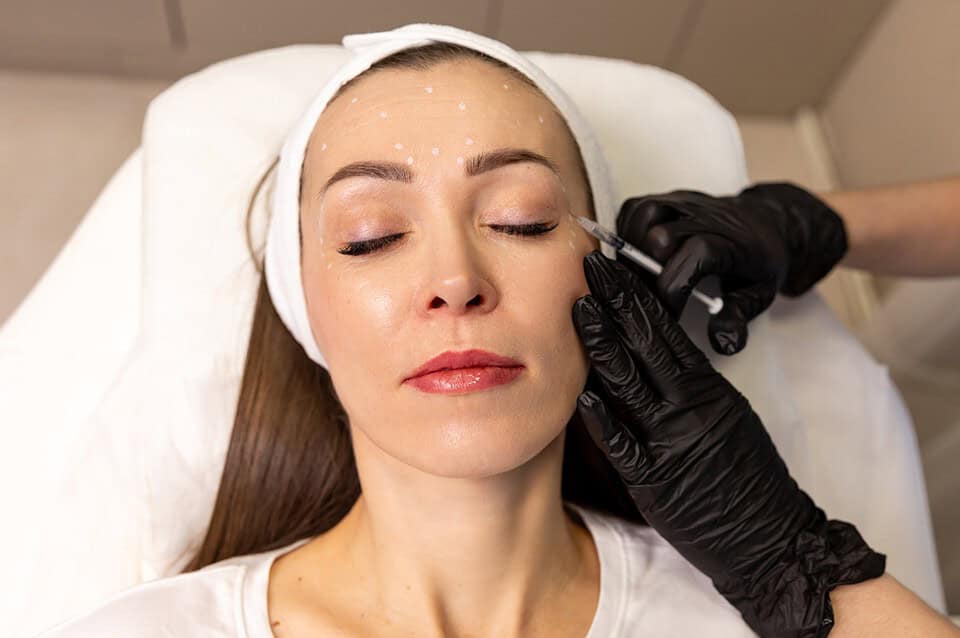
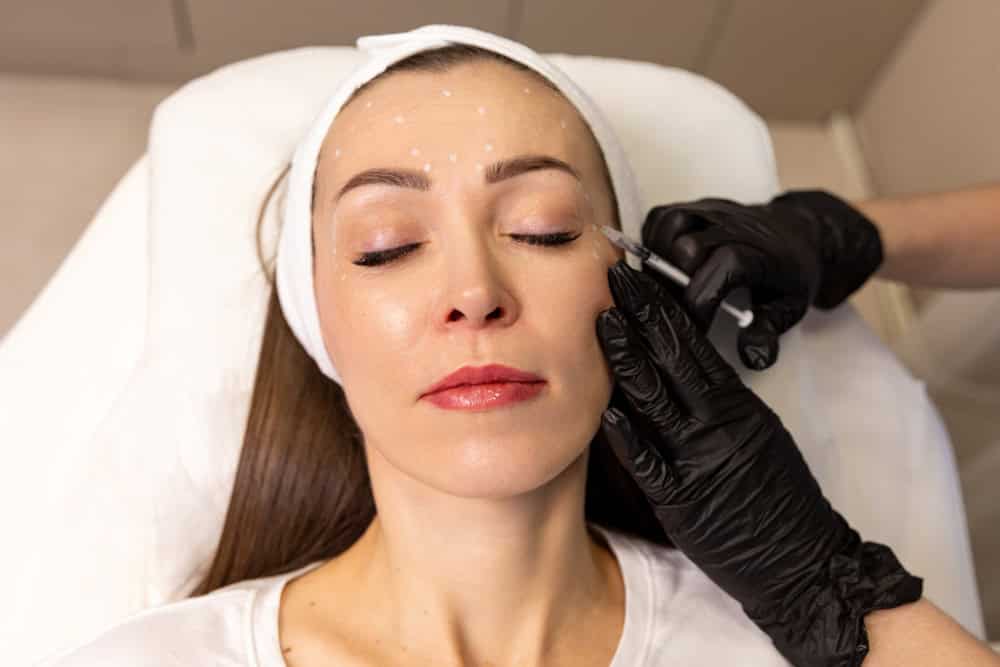
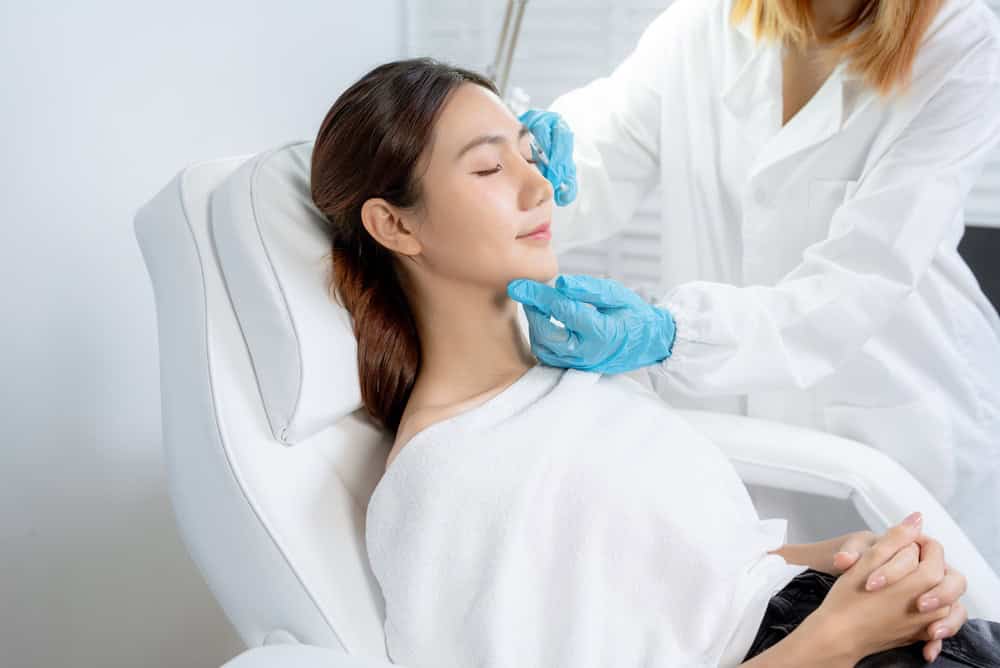
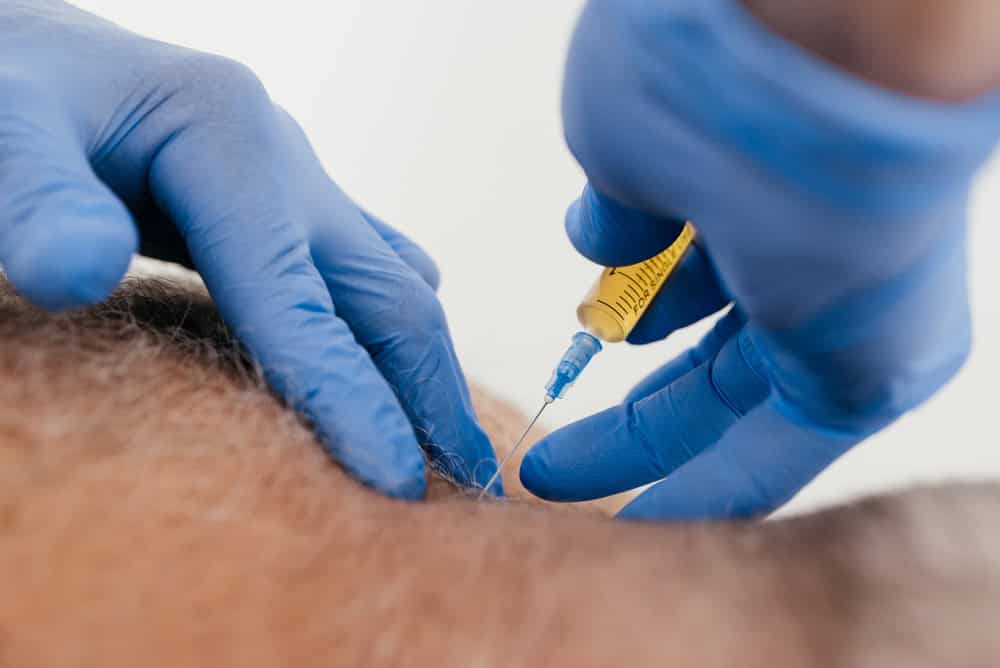
PRF treatment is used for skin concerns like fine lines, uneven texture, and dullness. Depending on the area and the goal, it is either injected or applied to the skin after microneedling.
A session is straightforward and conducted fully in one visit:
- Consultation and skin assessment
- Blood draw
- The platelet fraction is prepared in the centrifuge for a few minutes
- Treatment
Afterward, expect some redness, tenderness, and swelling. These usually settle within a few days, though bruising can linger for one to two weeks. PRF is commonly done via an initial course of around three sessions, spaced about a month apart, with maintenance shaped by how your skin responds.
PRF Safety, Side Effects, and Who Should Wait
Because PRF comes from your own blood, a reaction to the material itself is unlikely. The injection still carries ordinary risks, with common effects like bruising, swelling, tenderness, and redness around the treated area.
More serious problems are rare. Infection is possible even with your own blood, making sterile preparation important. Treatment near the eye calls for an experienced injector, and any vision changes after a session need urgent medical attention.
Some people should hold off or get cleared first, including anyone with:
- A bleeding or platelet disorder
- Certain blood conditions
- An active skin infection near the site
If you are pregnant or breastfeeding, mention it at your consultation. Tell your doctor about blood thinners and supplements too, and do not stop a prescribed medicine on your own to prepare for treatment.
Questions to Ask Before Booking PRF in Bangkok
Before booking a PRF in Bangkok, ask:
- Who performs the treatment, and what are their qualifications?
- Which system is used to prepare the blood?
- How many sessions are planned, and on what basis?
- What alternatives were considered for your concern, and why PRF?
- What do aftercare and follow-up look like if a question comes up later?
Reassuring answers often reflect the quality of the clinic and the treatment.
How Nirunda Approaches PRF Treatment
Nirunda International Aesthetic Clinic offers both PRF and PRP, prepared from your own blood, as part of our skin rejuvenation services. We treat them as one option among several for treatment, preceded by a proper assessment first.
Our doctor examines what is driving your under-eye or skin concern, then explains the preparation, expected benefit, alternatives, and risks before recommending a plan, whether that means a PRF, PRP, a different skin treatment, or a combination.
Follow-up is part of the plan, so you have a point of contact once your course is underway.
See if PRF Is Right for You at Nirunda Clinic
PRF treatment is made from your own blood, the evidence behind it is modest, and whether it helps depends on what is causing your under-eye or skin concern. It can refine texture and soften fine lines, but it will not fill a deep hollow.
At Nirunda, our doctors assess the cause before recommending PRF, PRP, or another route, with the range of skin and injectable options to match the plan to your concern.
Explore skin rejuvenation at our aesthetic clinic in Bangkok. Find out whether PRF, PRP, or another treatment fits your under-eye and skin concerns, and get an honest read before you commit.
References:
Platelet-Rich Fibrin, Preparation and Use in Dermatology. Retrieved October 15, 2026, from https://pmc.ncbi.nlm.nih.gov/articles/PMC8664174/
A Systematic Review of Platelet-Rich Plasma Versus Platelet-Rich Fibrin for Periorbital Rejuvenation. Retrieved October 15, 2026, from https://pmc.ncbi.nlm.nih.gov/articles/PMC12587466/
Platelet-Rich Plasma (PRP Injection): What It Is & Uses. Retrieved October 15, 2026, from https://my.clevelandclinic.org/health/treatments/21102-platelet-rich-plasma
Frequently Asked Questions About PRF Treatment
Q: How many PRF treatment sessions will I need?
A: There is no fixed number. A common starting point is an initial course of about three sessions spaced roughly a month apart, with maintenance adjusted to how you respond. Your doctor sets the plan after assessing your skin.
Q: How long does recovery from PRF take?
A: Most people have redness, tenderness, and mild swelling for a few days. Bruising can stay visible for one to two weeks. Follow your clinic’s aftercare advice, avoid rubbing the area, and ask when you can return to exercise and heat.
Q: Can PRF under eyes get rid of dark circles?
A: It depends on the cause. PRF may improve thin skin and texture under the eyes, but it does not correct deep hollows or pigment-based circles. A proper assessment identifies which type you have before treatment.
Q: Who should avoid PRF?
A: PRF may not be suitable if you have a bleeding or platelet disorder, certain blood conditions, or an active skin infection near the area. Tell your doctor if you are pregnant or breastfeeding, and about any blood thinners or supplements, before booking.