

What Goes Into Face Lift Muscle Tightening in Bangkok
Key Takeaways
- Face lift muscle tightening refers to surgical repositioning of the SMAS layer beneath the skin, not repair of torn or damaged muscle.
- A facial muscle lift tightens the Superficial Musculoaponeurotic System (SMAS) using plication, imbrication, or deep plane techniques, the same layer that gives the face its structure.
- Muscle-layer surgery suits deeper concerns like jowls, a deepening nasolabial fold, and neck banding. Early fine lines and mild laxity are better matched to surface treatments.
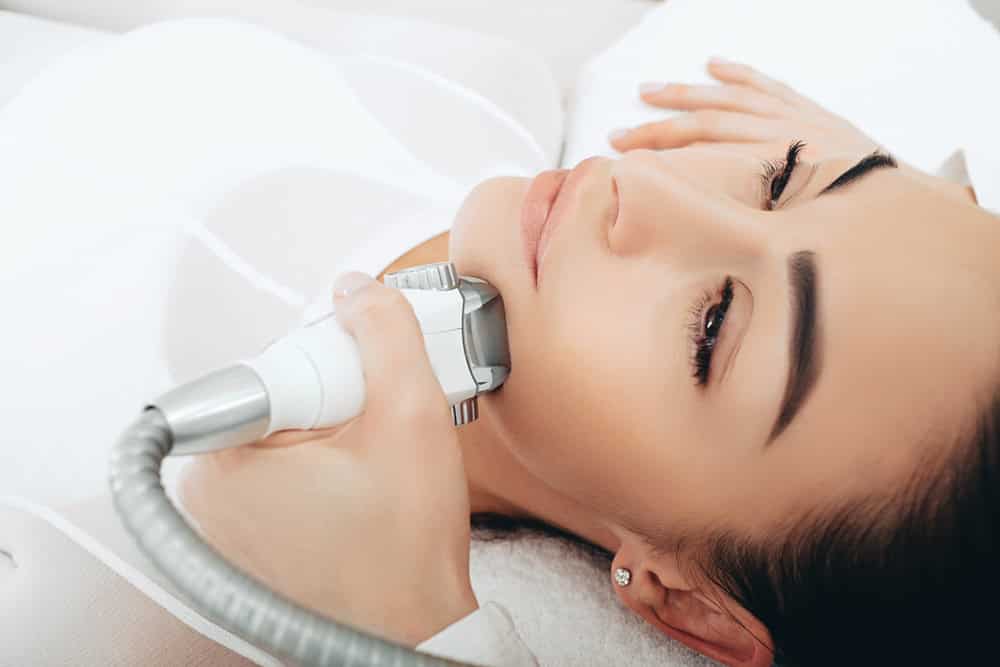
- Non-surgical skin tightening with ultrasound, radiofrequency, infrared, and injectables stimulates collagen at the surface but does not reach or tighten the muscle layer.
- The trade-off is recovery: surgery addresses structural sagging but needs downtime, while non-surgical options have little to none and suit milder cases.
- Explore skin tightening in Bangkok at Nirunda Clinic to have your muscle and skin laxity assessed and matched to the right surgical or non-surgical option.
Patients researching face lift muscle tightening often expect a simple non-surgical fix, then get lost trying to work out what actually happens at the muscle layer versus what a laser or radiofrequency session can do. The two are not the same thing.
True muscle-layer tightening is a surgical concept. Most treatments marketed as “tightening” today work on the skin’s surface, which is a valuable thing, but it is a different one. Here is what separates the marketing term from the anatomy, and what your options actually look like at a Bangkok clinic like Nirunda.
Not sure if your face needs surface tightening or muscle-layer surgery?
A consultation at Nirunda Clinic gives you an honest read.

What Is A Facial Muscle Lift?
A facial muscle lift is commonly used to describe SMAS-layer facelift techniques, and it is distinct from the marketing language attached to many non-surgical treatments. A facelift repositions the structure you already have rather than creating a different face.
The SMAS Layer Explained
SMAS stands for Superficial Musculoaponeurotic System. It is a fibrous layer that sits just beneath the skin and fat and gives your face its structure and mobility. When surgeons talk about a facial muscle lift, this is the layer they are working on, not the muscles you use to chew or smile.
Does a Facelift Involve Muscle Repair?
No. Facelifts reposition and tighten the SMAS layer, but they do not repair torn or damaged muscle tissue. This is an important distinction, because a SMAS facelift is about lifting and redraping a support structure that has loosened with age rather than fixing something broken.
How Surgeons Tighten the SMAS
There isn’t a single method to accomplish this. Surgeons employ various methods to tighten the SMAS, selecting the technique based on the level of laxity, volume loss, and the direction of lift required.
- Plication: folding and suturing the SMAS without removing any tissue. Suited to lighter cases where the goal is repositioning rather than dramatic reduction.
- Imbrication: removing a segment of SMAS and suturing the overlapping edges to create tension. Used when more significant tightening is called for.
- Deep plane facelift: elevating and repositioning the SMAS and skin as one composite unit. This facelift addresses deep wrinkles, severe laxity, and volume loss at the structural source, which is why it tends to produce results that look natural rather than pulled.
Signs You May Need Muscle-Layer Tightening vs Surface Treatment
Not everyone needs a facelift, and not everyone will get what they want out of a laser session. The useful way to sort this out is to look at what your face is actually showing you, then match that to the layer it comes from. Sagging that has settled into the jawline and neck is usually structural. Fine lines and a slight loss of firmness are usually superficial.
Muscle-layer treatment, meaning surgery, is usually the honest answer when you see:
- A deepening nasolabial fold that runs from the corner of your nose to the corner of your mouth
- Jowls along the jawline where definition has been lost
- Loose skin or visible platysmal banding down the neck
Surface-level treatment is more suitable when the signs are:
- Early fine lines and mild to moderate laxity rather than sagging
- A preference for gradual, subtle improvement over a dramatic change
- A schedule that does not allow for real surgical recovery time
Non-Surgical Skin Tightening in Bangkok as an Alternative
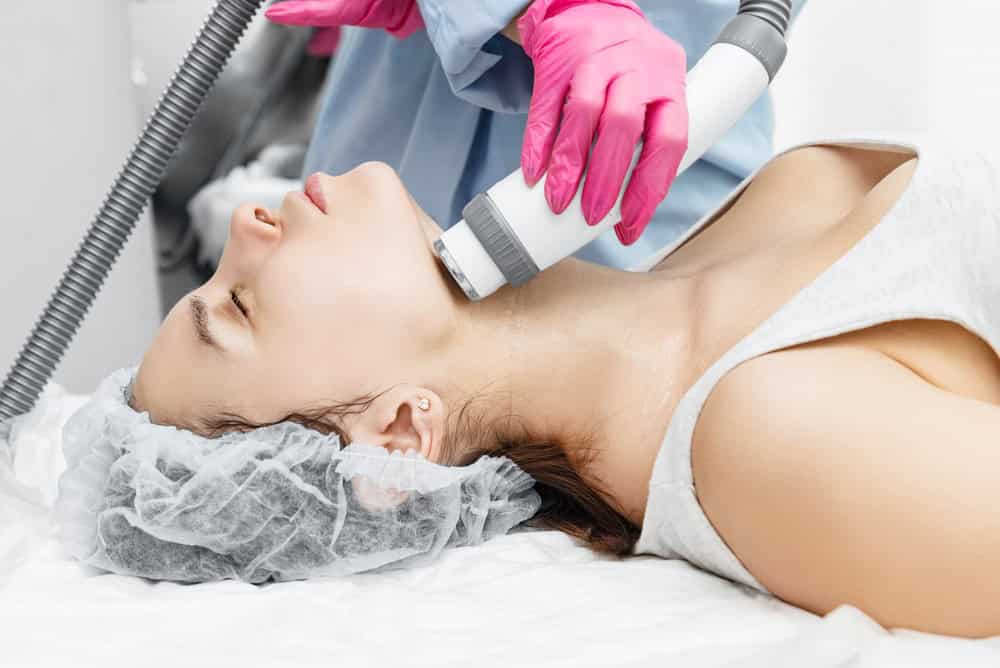
While surgical approaches are the route for muscle-layer tightening, non-surgical options exist as an alternative for more moderate cases. At Nirunda, our skin tightening in Bangkok treatments span several options, using US FDA-approved technologies at different depths.
- Ultherapy uses focused ultrasound energy to heat the deeper layers of skin and stimulate collagen without affecting the surface.
- Thermage delivers controlled radiofrequency energy into the dermis, generating the heat that triggers collagen production.
- DeepIR uses infrared light and is particularly suitable for sensitive skin.
- On the injectable side, Sculptra stimulates collagen gradually over several months, while Radiesse provides immediate volume alongside collagen stimulation.
But there is an important limit: these treatments stimulate collagen rather than tighten muscle. They suit early to moderate laxity, not significant sagging. There are no incisions, no downtime, and most patients walk out and go straight back into their day, but it is not a substitute for the surgical layer when that layer is what needs addressing.
Choosing the Right Option at Nirunda Clinic
Nirunda offers both routes under one roof. Facelift and neck lift surgery is performed by board-certified surgeons and spans full facelift, mini facelift, and deep plane SMAS repositioning. However, for patients not prepared for surgery or whose laxity doesn’t justify it, our Bangkok clinic offers non-surgical skin tightening technologies, combined with a consultation-driven approach that aligns treatment, surgical or non-surgical, with your true level of muscle and skin laxity.
Make the Right Choice for Your Face with Nirunda Clinic
Face lift muscle tightening involves surgical repositioning of the SMAS layer, through plication, imbrication, or deep plane techniques. Non-surgical routes like radiofrequency, ultrasound, and injectable treatments exist, but these work at the surface instead. Making the right choice between the two comes down to an honest assessment from the team treating you.
Nirunda Clinic offers both routes, from full and deep plane facelift surgery by board-certified surgeons to non-surgical technologies including Ultherapy, Thermage, and Sculptra. With well over a decade of experience, the team plans each option around your actual muscle and skin laxity, and the non-surgical technologies can also be combined with each other for a more complete result.
Explore skin tightening in Bangkok with Nirunda Clinic today. Our specialists will assess whether your skin needs surface-level treatment or a referral to our surgical team for true muscle-layer correction.
References:
Anatomy, Skin, Superficial Musculoaponeurotic System (SMAS) Fascia. Retrieved on September 9, 2026, from https://www.ncbi.nlm.nih.gov/books/NBK519014/
Facelift (Rhytidectomy): What Is It, Recovery & What to Expect. Retrieved on September 9, 2026, from https://my.clevelandclinic.org/health/treatments/11023-facelift
Radio Frequency (RF) Skin Tightening: Benefits & Dangers. Retrieved on September 9, 2026, from https://my.clevelandclinic.org/health/treatments/24683-radio-frequency-rf-skin-tightening
Frequently Asked Questions About Face Lift Muscle Tightening
Q: How long does face lift muscle tightening last?
A: Results from a successful surgical face and neck lift can last 7 to 10 years, though duration varies with skin quality, genetics, and lifestyle. SMAS-based techniques tend to hold longer than skin-only lifts because they address the underlying support structure rather than the surface alone.
Q: Can non-surgical treatments replace a facelift?
A: For mild to moderate laxity, or for patients who want to delay surgery, non-surgical tightening works well. Very loose skin involving the underlying muscle layer is usually better served by surgery. At Nirunda, our doctors will assess your face and advise honestly on which path fits your case.
Q: Is a deep plane facelift different from a standard facelift?
A: Yes. A deep plane facelift lifts and repositions the SMAS layer and skin together as one composite unit, rather than tightening the skin alone. It is a more technically demanding procedure and is well-suited to addressing deep wrinkles, severe laxity, and lost volume at the structural source.
Q: What age is best for face lift muscle tightening?
A: There is no fixed age. Candidacy depends on the degree of SMAS and skin laxity rather than a birthday. At Nirunda, most of our facelift patients are between their 40s and 60s, though the procedure produces good results well into the 70s and 80s when overall health allows.