

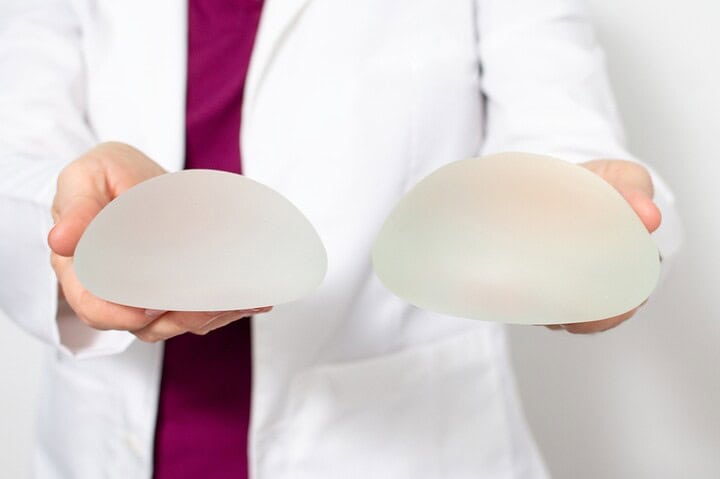
How Sizes of Breast Implants Sit Differently on Every Body
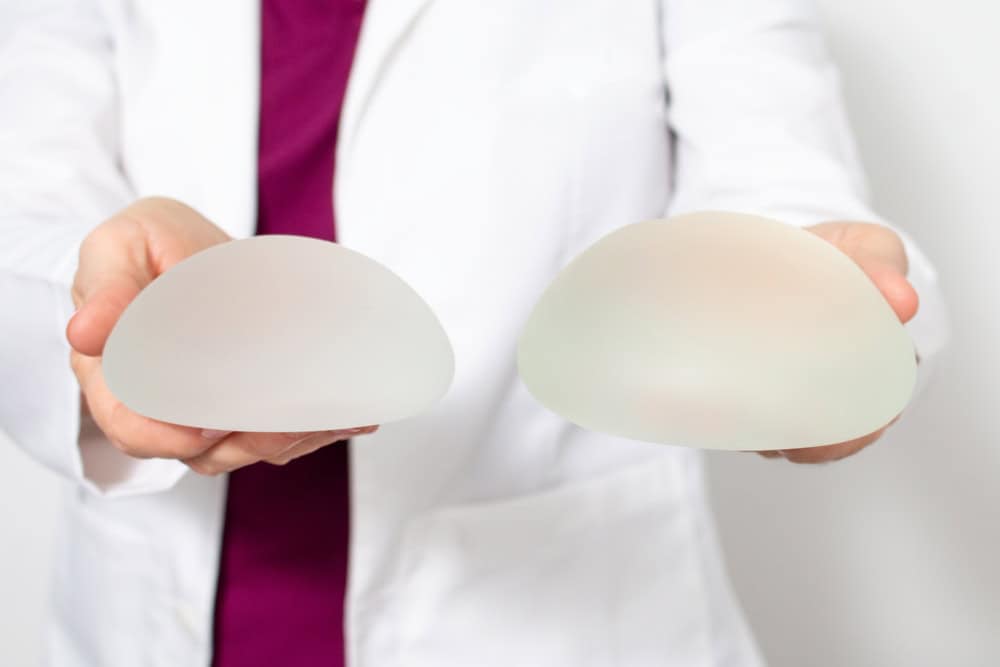
Key Takeaways
Breast implants are measured in cubic centimeters, not cup letters, because cup sizes vary by brand and country. Boob job sizes run from subtle (100-250cc) through natural and moderate (300cc breast implants), noticeable and full (400 cc implants size, 500cc implants), and dramatic (800cc breast implants). The final result depends on chest width, existing tissue, implant profile, placement, and shape, not just the cc number alone. Saline and silicone implants are both available in round and teardrop shapes, and larger sizes above 500cc carry additional physical demands on the body that require careful anatomical assessment.
While most patients come to consultations asking for a certain cup size, surgeons do not base their plans on that. Implants are measured in cubic centimeters since cup sizes vary between brands and countries, rendering them an inconsistent surgical measurement. Understanding boob job sizes by cc, and the factors that change how they sit on different bodies, gives you a clearer picture before any decision is made.

How Breast Implant Sizes Are Measured
Surgeons work with three numbers, not cup letters.
- Volume (cc). The amount of fill inside the implant. Higher cc means a bigger implant.
- Diameter. The width of the implant base, measured across the chest.
- Profile. How far the implant projects forward from the chest wall. A higher profile means more forward projection at the same volume.
These three numbers describe the implant itself. How it looks on a specific body comes down to anatomy, placement, and shape.
Different Sizes of Breast Implants by CC Range
The cc ranges below show what common breast enlargement sizes actually look like.
- 100cc to 250cc. Subtle. A small, natural-looking increase that usually adds half a cup to one cup size.
- 250cc to 350cc. Moderate and natural. This is where most c cup breast implants fall. 300cc breast implants are one of the most requested sizes for a noticeable but balanced look that still reads natural.
- 350cc to 450cc. This range sits between moderate and dramatic, and it is where many patients land after their first consultation. A common question at this size is how big is 450cc breast implant: on most frames it produces visible fullness and cleavage without looking extreme. 400 cc implants size falls in the same bracket and delivers a clearly bigger, curvier shape.
- 500cc and above. 500cc breast augmentation produces strong, full volume with visible cleavage, but 500cc implants are a serious commitment. Physical demands on the body increase with size, and anatomical suitability matters more at this range than it does at lower volumes.
- 600cc to 800cc and above. Dramatic. 800cc breast implants deliver maximum volume, a bold silhouette, and strong cleavage without a push-up bra. This range requires careful assessment of chest width, tissue thickness, and skin elasticity.
Silicone Breast Implants Sizes vs Saline
Both types span all cc ranges but behave differently.
- Silicone gel implants. Pre-filled to a set cc. Silicone breast implant sizes feel softer, more natural, and show less rippling under thin skin.
- Saline implants. Filled during surgery within a small range, so the surgeon can fine-tune volume or correct minor asymmetry on the table. More affordable, though firmer to the touch and more prone to rippling in patients with less tissue.
Nirunda Clinic offers both in round (Memory Gel) and teardrop (Memory Shape) configurations.
Why the Same CC Can Look Different on Two People
The same implant on two different bodies can produce very different results. Four variables account for most of the shift.
- Chest width and existing tissue. A wider chest with more natural tissue carries 400cc more proportionally than a narrow frame with very little starting volume.
- Implant profile. A 350cc high-profile implant can look bigger than a 400cc low-profile implant on the same chest, because volume projects outward rather than spreading across a wider base.
- Placement. Submuscular (under the muscle) softens the upper edge for a natural slope. Subglandular (over the muscle) pushes the full volume forward for a rounder shape.
- Shape. Round implants give even fullness across the whole breast. Teardrop implants put more volume at the bottom for a tapered, natural look.
How to Choose the Right Breast Enlargement Size
Sizing is a methodical procedure carried out by professionals, rather than a choice made by oneself. Three factors help ease the process before you reach the surgeon’s table.
- Get measured first. Chest width and breast base diameter set the realistic size range before any cc number gets discussed.
- Try it visually. Rice or water tests at home (fill a bag to a target cc, place it in a bra) give a rough preview. In-clinic sizes are more accurate. Neither replaces the surgeon, but both help you show what you want.
- Bring reference photos. Images of results you like, notes on clothing fit, and lifestyle context all help narrow down the right volume and profile. The final decision is always clinical.

Going Bigger with 500cc and Above
The topic of larger implants is another issue entirely. As volume increases, the physical demands on the body rise, altering what the surgeon assesses.
- Weight on the chest, back, and shoulders. Heavier implants add sustained load. Smaller frames may find this uncomfortable over time.
- Skin and tissue stretch. Bigger implants stretch the skin more, which can accelerate sagging and raise the chance of needing a revision or lift later.
- Anatomical suitability. A wider chest wall, thicker tissue, and good skin elasticity all matter more at this size. Without them, the implant may not sit safely or look natural — which is why surgical judgment is most critical here.
Breast Augmentation at Nirunda Clinic, Bangkok
Nirunda Clinic in Bangkok offers saline and silicone implants in round (Memory Gel) and teardrop (Memory Shape) options, with all breast surgery performed by Dr. Poonpissamai, a Thai Board-certified plastic and reconstructive surgeon with more than two decades of practice. Every plan starts with an in-person assessment — the surgeon measures your anatomy, walks through sizing, and builds a plan around your body and goals.
Book a consultation for breast augmentation in Bangkok at Nirunda Clinic and have a board-certified surgeon assess what size, shape, and placement work for your anatomy before any decision is made.
References:
Breast Implants. Retrieved in September, 2026 from https://www.fda.gov/medical-devices/implants-and-prosthetics/breast-implants
Frequently Asked Questions About Sizes of Breast Implants
Q: What are the different sizes of breast implants available?
A: Breast implants are available from roughly 100cc up to 800cc and beyond. The most commonly requested sizes fall between 250cc and 500cc, with the specific range depending on chest width, existing tissue, and the patient’s aesthetic goals. Volume alone does not determine the final look, as profile, placement, and shape all change how the same cc reads on the body.
Q: How big is a 450cc breast implant compared to other sizes?
A: A 450cc implant sits in the upper-moderate range. On most frames it delivers visible fullness and clear cleavage, landing between the natural-looking result of 300-350cc and the more dramatic silhouette of 500cc and above. The actual appearance depends on chest width, implant profile, and placement. Some patients find 450cc reads as a full C to D cup range, though cup comparisons are not precise because sizes vary by brand.
Q: What is the difference between silicone and saline implant sizes?
A: Both implant types are available across the same cc ranges, so volume itself is not the difference. The distinction is in feel, cost, and how the surgeon works with them. Silicone implants come pre-filled and feel softer with less rippling, while saline implants are filled during surgery, which allows minor volume adjustments on the table. Patients with less existing breast tissue often find silicone looks and feels more natural at any given size.
Q: When do larger breast enlargement sizes require additional considerations?
A: From around 500cc upward, the physical demands on the body increase meaningfully. Heavier implants add sustained load on the chest, back, and shoulders, and stretch the skin more over time. At these sizes, the surgeon will specifically assess chest wall width, tissue thickness, and skin elasticity to determine whether the size is anatomically suitable. Patients who are not a good anatomical match for large implants may achieve a better long-term result at a moderate size with a different profile.