
Receding Hairline Treatment: What Actually Works?
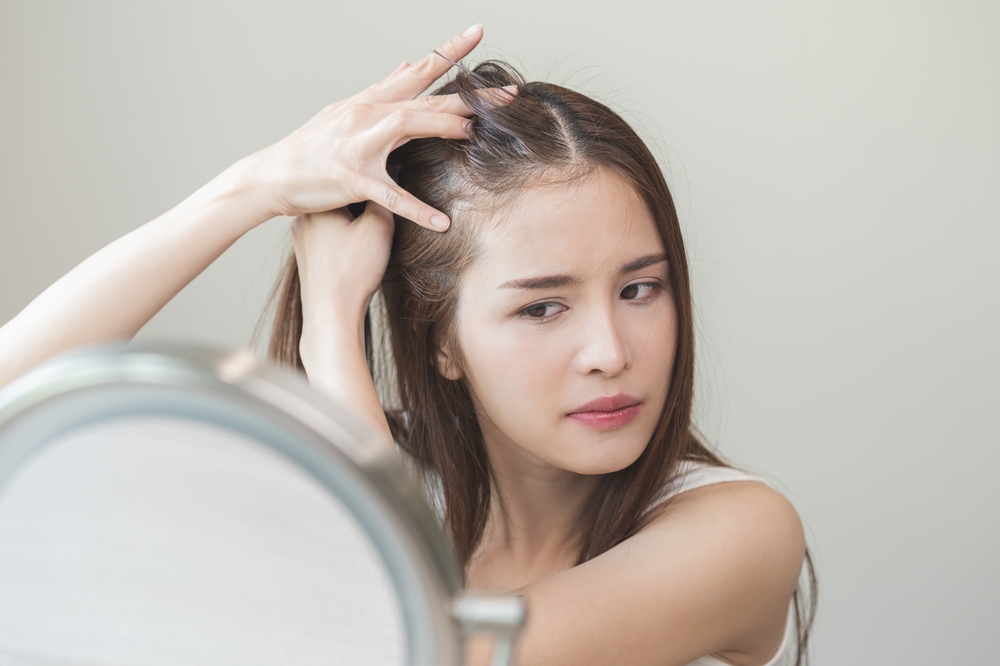
Not all hair loss treatments are created equal, but the ones backed by science can make a real difference. From medications that block the hormones behind hair loss to PRP that encourages new growth and hair transplants that offer permanent results, there’s a solution for every stage. A professional evaluation helps patients find the right path forward. The sooner action is taken, the more hair can be kept and restored.
With so many hair loss products on the market, it can be hard to know what actually works. While some remedies are just hype, there are proven treatments backed by science that can slow, stop, or even reverse hair loss. The key is understanding why your hair is thinning in the first place and choosing a receding hairline treatment that addresses the root cause.
Why Receding Hairlines Happen
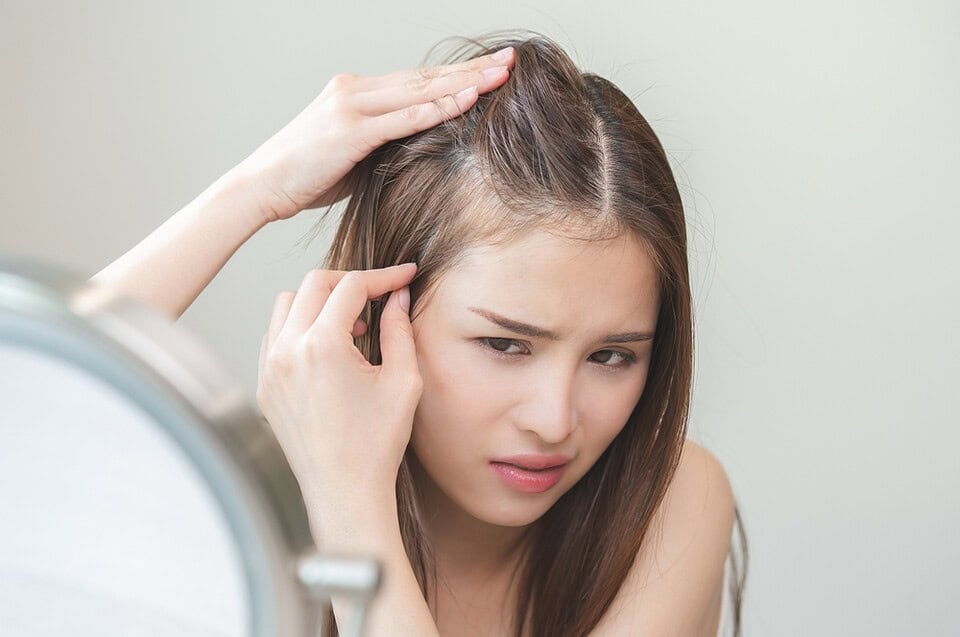
Before exploring treatments, it helps to understand what causes a receding hairline. The most common culprit is androgenic alopecia, also known as pattern hair loss. This condition affects roughly half of all men by age 50 and becomes increasingly common in women after menopause.
So what’s happening beneath the surface? Gradually, hair follicles shrink due to a combination of genetics and hormones. As follicles miniaturize, hair becomes finer and shorter until eventually, the follicle stops producing visible hair altogether.
In men, hair loss typically appears as:
- A hairline that recedes from the forehead
- An M or U-shaped pattern
- Thinning at the crown
In women, hair loss usually shows up as:
- A widening part line
- Overall thinning across the top of the head
- The front hairline often remains unaffected
Other contributing factors include stress, certain medications, hormonal changes, and underlying medical conditions. While you cannot prevent genetic hair loss entirely, the good news is that effective treatments exist to slow it down or even reverse it.
Treatments That Actually Work
Figuring out how to repair a receding hairline? Several options have solid scientific backing. The best approach often combines multiple treatments for optimal results.
Medications
- Minoxidil (Rogaine): Available over the counter in 5% strength. Applied once or twice daily to the scalp, it helps stimulate hair growth and slow further loss.
- Finasteride (Propecia): A prescription oral medication that blocks DHT, the hormone responsible for shrinking hair follicles.
- Dutasteride: Sometimes prescribed off label. Research suggests it may be even more effective than finasteride for some patients.
- Ketoconazole 2% shampoo: A supportive treatment that helps create a healthier scalp environment.
PRP Therapy
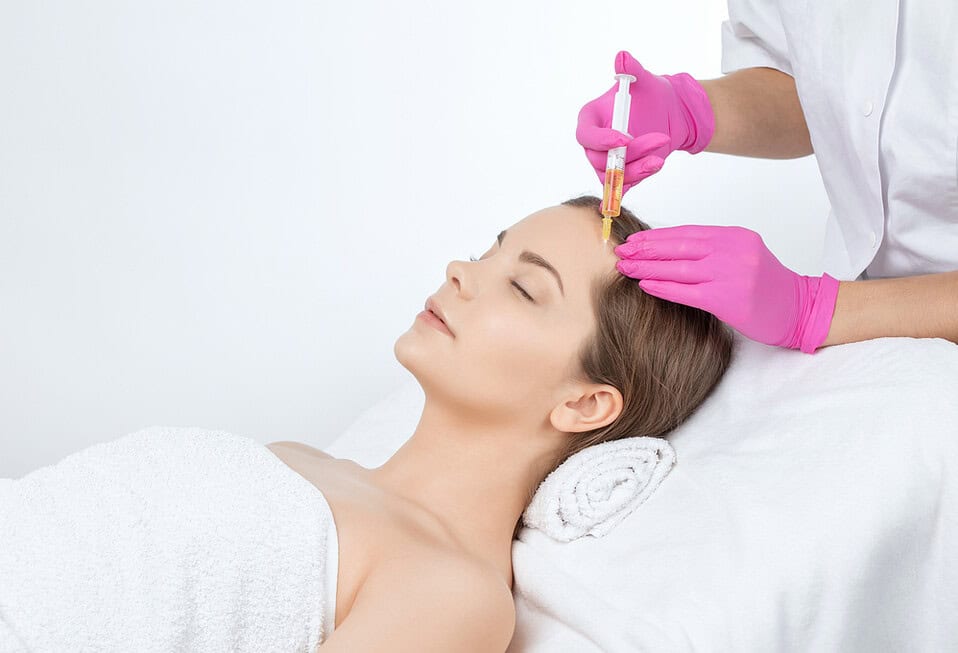
Many patients ask, does PRP work for receding hairline? The answer is promising. PRP hair treatment uses your body’s own healing properties to stimulate hair growth. Here’s how it works:
- A small amount of blood is drawn from your arm
- The blood is placed in a centrifuge to separate and concentrate the platelets
- The platelet-rich plasma is injected directly into the scalp in thinning areas
These concentrated platelets contain growth factors that stimulate dormant follicles, increase blood supply to the hair roots, and promote thicker, healthier hair growth.
PRP works best when combined with medications and is ideal for patients in the early to moderate stages of hair loss. Most patients need three to four initial sessions spaced about a month apart, followed by maintenance treatments every few months to sustain results.
Hair Transplant
For those seeking a permanent solution, a hair transplant for receding hairline offers long-lasting results. The procedure moves healthy follicles from the back and sides of the head to thinning areas. Because these donor follicles are naturally resistant to the hormone that causes hair loss, they continue to grow for life after transplantation.
There are two main techniques:
- FUE (Follicular Unit Extraction): Individual follicles are extracted one by one, leaving no linear scar. This technique offers faster recovery and is ideal for those who prefer shorter hairstyles.
- FUT (Follicular Unit Transplantation): A strip of scalp is removed from the donor area and divided into individual grafts. This method allows for more grafts in a single session, making it suitable for patients needing greater coverage.
- Combination FUE + FUT: For maximum coverage, both techniques can be combined to achieve optimal density and natural-looking results.
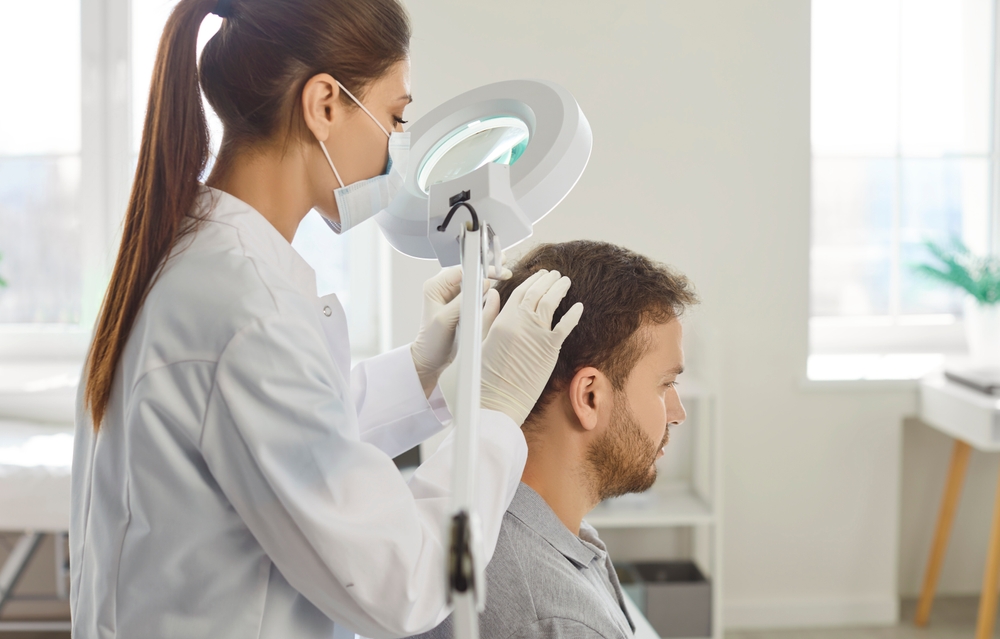
The right choice depends on how much coverage you need, your donor hair availability, and your preferred hairstyle. A professional evaluation helps determine which approach best suits your situation.
What Works Best at Each Stage of Hair Loss
The right approach to grow your receding hairline back depends on how advanced your hair loss is:
- Early stage (just noticing thinning): This is the best time to act. Medications like Minoxidil and Finasteride can slow or stop further loss, while PRP therapy helps strengthen existing follicles. The goal at this stage is retention and prevention.
- Moderate stage (visible recession): A combination approach works best. Medications block the hormones causing hair loss, while PRP stimulates regrowth. Some patients may start considering a hair transplant to restore density in specific areas.
- Advanced stage (significant hair loss): When follicles are no longer active, a hair transplant is often the most effective option. Medications and PRP are still important to protect remaining hair and support the transplanted follicles.
The key takeaway? The earlier you start treatment, the more options you have and the better your results are likely to be.
Take Back Your Hairline at Nirunda Clinic
Hair loss may be progressive, but the right treatment can make a real difference. Nirunda Clinic offers a full range of hair restoration options, from PRP hair treatment and medications to advanced FUT and FUE hair transplant procedures. Each patient receives a personalized plan based on their hair loss stage and goals.
Known as a trusted destination for hair transplant in Bangkok, Nirunda Clinic focuses on results that look and feel authentic, helping patients regain their confidence. From your first consultation through recovery, dedicated support is available every step of the way.
Every day counts when it comes to hair loss. Book your consultation now.
Reference:
Receding Hairline. Retrieved January 8, 2025, from https://www.webmd.com/skin-problems-and-treatments/hair-loss/receding-hairline
FAQ
A: Yes, it’s possible to grow your receding hairline back with the right treatment. Medications and PRP hair treatment work well for early stages, while a hair transplant can restore hair in areas where follicles are no longer active.
A: The most common causes of a receding hairline are genetics and hormones. A hormone called DHT shrinks hair follicles over time, causing hair to thin and eventually stop growing. Stress, medications, and medical conditions can also contribute.
A: Yes, PRP works for receding hairline treatment, especially in early to moderate stages. It stimulates dormant follicles and encourages new growth. For best results, PRP is usually combined with medications.
A: The best receding hairline treatment depends on your stage of hair loss. Early stages respond to medications, moderate stages benefit from adding PRP, and advanced stages often require a hair transplant for receding hairline restoration.
A: Yes, a hair transplant for receding hairline offers permanent results. Transplanted follicles are resistant to the hormone that causes hair loss, so they continue growing for life.
A: To repair a receding hairline, start with a professional evaluation to determine your hair loss stage. Treatment options include medications, PRP hair treatment, and FUE hair transplant, depending on the severity of your hair loss.