
Safe and Effective Mole Removal at Nirunda Clinic in Bangkok
Key Takeaways
- Most moles are harmless, but changing or irregular lesions should be evaluated by a dermatologist.
- Nirunda Clinic offers several mole removal methods including laser, excision, freezing, and shave removal.
- CO2 laser mole removal is commonly used for small benign lesions and superficial moles.
- Facial mole removal is often performed with cosmetic scar minimization in mind.
- Skin tags, warts, and benign bumps may also be treated at Nirunda Clinic.
- Suspicious or atypical lesions may require biopsy or surgical excision instead of laser treatment.
- Professional treatment is safer and more reliable than home removal methods.
Table of contents
- Safe and Effective Mole Removal at Nirunda Clinic in Bangkok
- What are Moles?
- Types of Moles and Skin Lesions
- Checking Moles for Changes
- Considering Mole Removal in Thailand
- Mole Removal Methods at Nirunda Clinic in Bangkok
- Non-Cancerous Mole Removal
- Recovery Time, Expected Results, and Considerations
- Mole Removal Cost in Thailand
- Why Choose Nirunda Clinic in Bangkok for Mole Removal
- Frequently Asked Questions
Moles are a common skin growth seen in people of all ages. Many people are born with moles called congenital nevi. Moles that are large enough to be conspicuous and irregular in shape are known as atypical nevi and tend to occur in family medical histories. A large percentage of all moles are perfectly harmless. But a small number can become cancerous and be a cause for concern and mole removal.
At Nirunda Clinic, patients seeking mole removal services in Bangkok can receive professional assessment and treatment using modern dermatological techniques, including CO2 laser mole removal, surgical excision, cryotherapy, and shave removal.
If you are considering face mole removal for cosmetic reasons or need evaluation of a changing lesion, our experienced dermatologists provide personalized treatment plans focused on both safety and cosmetic outcomes.
What are Moles?
The appearance of moles may:
- Be flat or raised
- Vary in color from pink to dark brown
- Appear anywhere on the body
- Develop during childhood or adulthood
Most moles remain harmless. However, dermatologists monitor lesions that change shape or size, become asymmetrical, develop uneven borders, bleed, itch, or crust. Moles only become a concern to doctors if the mole is actively growing or changing shape or if the patient has a lot of moles. Having more than 50 moles on your body can indicate an increased risk of contracting melanoma and breast cancer. Having many moles or a family history of melanoma may increase skin cancer risk.
Types of Moles and Skin Lesions
Several types of lesions may appear similar to moles. Common lesion types include:
- Congenital nevi (birth moles)
- Acquired moles
- Atypical or dysplastic nevi
- Skin tags
- Seborrheic keratoses
- Warts
- Lentigo (sun spots)
At Nirunda Clinic, dermatologists help distinguish between benign lesions and those requiring further medical attention.
Checking Moles for Changes
If you have a large number of moles, you should watch them carefully for any signs of changes in shape, color or growth, or to see if they have become raised from the surrounding skin.
Perform a thorough visual check of your entire body once a month using a mirror, and be sure to look in all the crevices of your body and between your toes. Count the moles the first time you perform the check. This will serve as a baseline so you’re aware of any new ones appearing later on.
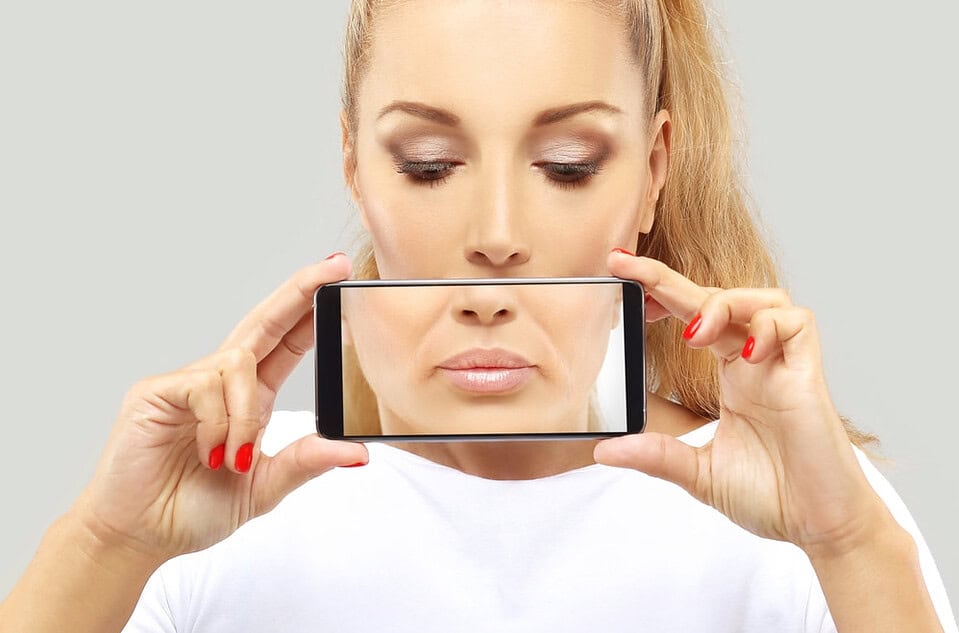
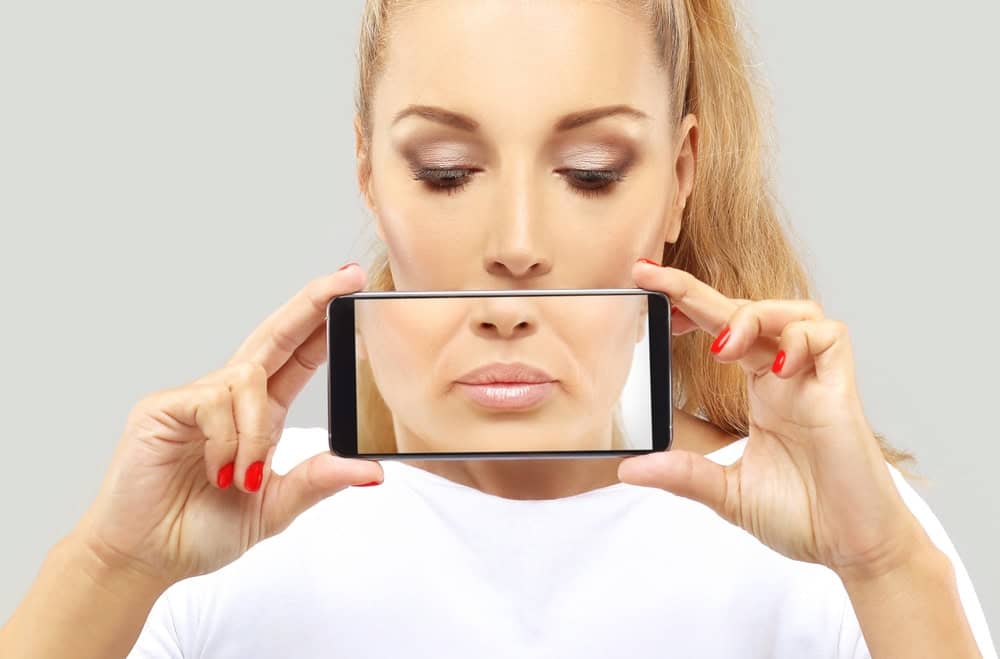
Phone cameras are an excellent tool to record the number of moles and any suspicious changes in them. Although moles can darken and change color during adolescence or pregnancy, any new moles or raised moles are valid causes to alert your doctor. Having photographic evidence demonstrating their growth and changes can be helpful to doctors in diagnosing the presence of melanoma.
When to See a Doctor About a Mole
You should consult a dermatologist if a mole changes rapidly, it becomes painful or itchy, or it starts bleeding. Consult with a doctor if a new mole appears suddenly in adulthood or the lesion looks significantly different from surrounding moles. Early evaluation is important because some skin cancers can initially resemble ordinary moles.
Considering Mole Removal in Thailand
Mole removal is the first step when a mole turns cancerous. Your doctor will then decide if you need follow-up treatment like chemotherapy or radiation therapy. At Nirunda Clinic, the treatment method depends on the mole depth, mole location, and whether malignancy is suspected.
Mole Removal Methods at Nirunda Clinic in Bangkok
There are four main methods of removing moles:
CO2 Laser Mole Removal
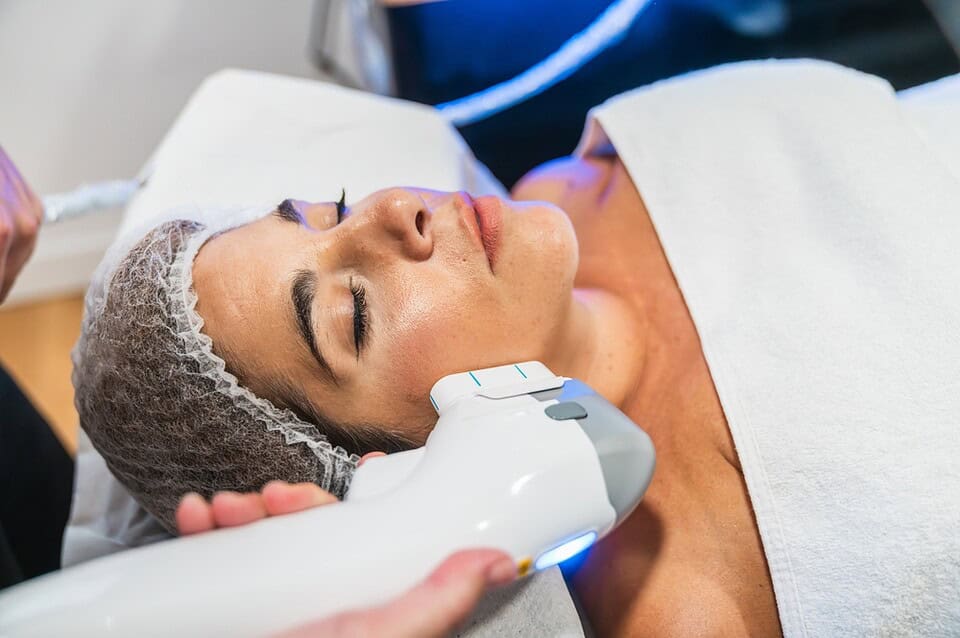
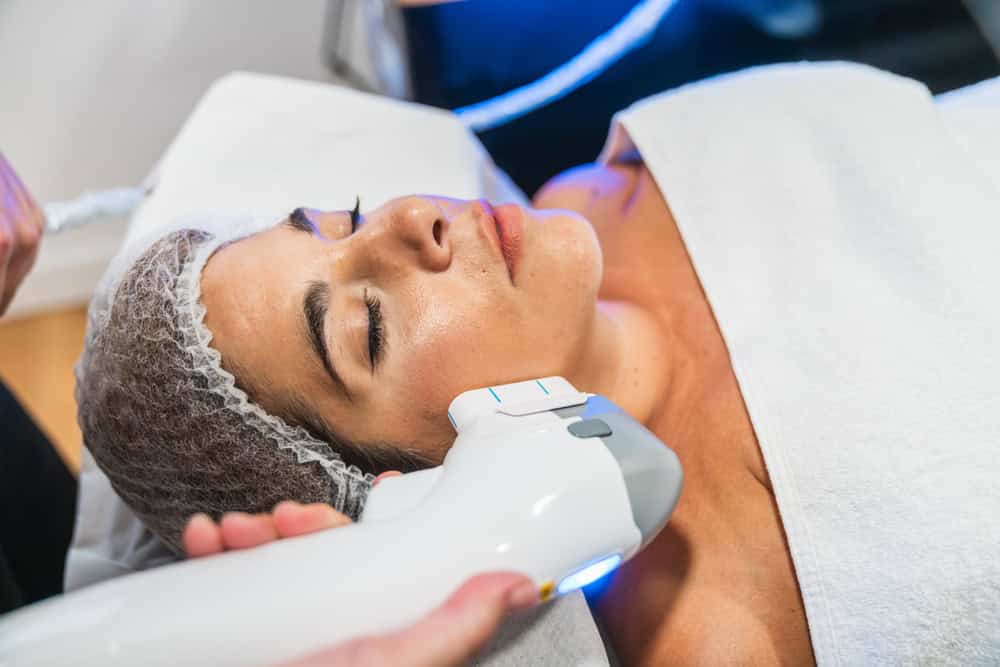
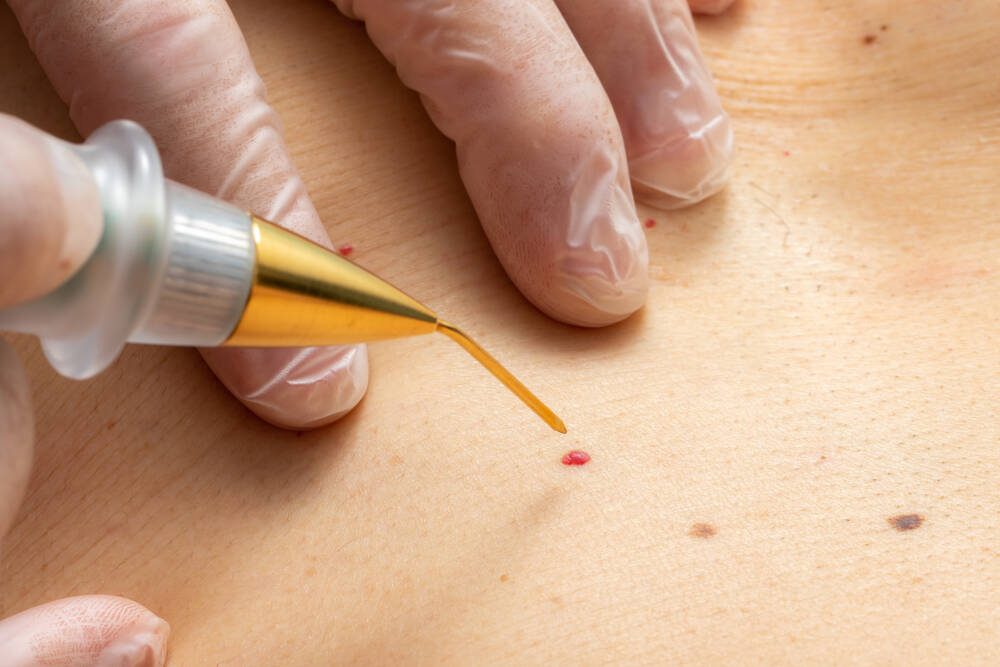
Burning off the mole with a CO2 laser to remove the upper layers of a non-cancerous mole. If the mole is large, more than one session may be required to remove it completely. CO2 laser treatment is commonly used for small raised moles, benign facial lesions, skin tags, and superficial skin bumps.
CO2 laser mole removal offers precise targeting with minimal bleeding. It has a short procedure time and less downtime for smaller lesions.
Surgical Excision
Excision is a surgical technique used to remove potentially cancerous moles and is often recommended for suspicious lesions, deep moles, and lesions requiring pathology testing. The method removes the entire mole from the skin. The area is sutured afterward to support healing and reduce scarring risk.
Cryotherapy
Cryotherapy is the process of freezing a mole by using a small amount of liquid nitrogen on the top of the mole is a method of removal used for non-cancerous moles or superficial lesions.
Shave Removal
Shaving a mole using surgical blades is a method of removing a shallow mole from the skin’s surface. This method is commonly used for raised benign moles and superficial skin growths.
Non-Cancerous Mole Removal
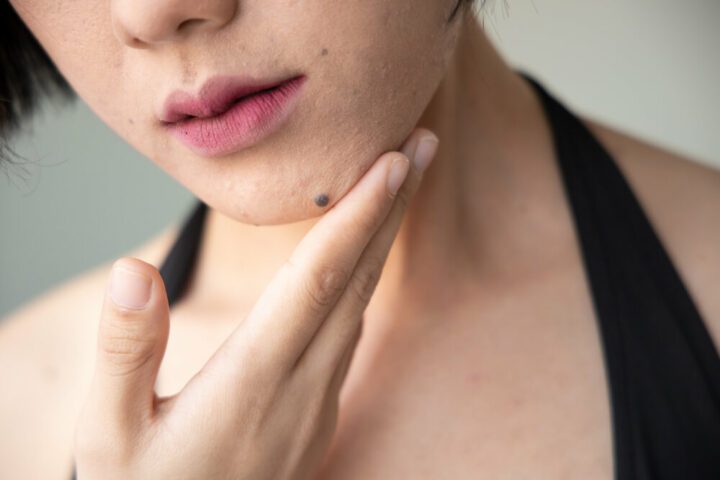
There are many reasons people opt to have non-cancerous moles removed. For example, people with a family history of melanoma may elect to have non-cancerous mole removal performed as a preventive measure. You also may have a mole removed for cosmetic reasons, as some large or raised facial moles can lower your self-esteem. Facial mole removal is often a simple process that can significantly improve your mental outlook and restore self-confidence.
You may have read or heard about several home methods of mole removal. However, none of these methods have been proven to work with any certainty, and some of them may be dangerous. If the home method doesn’t remove the mole completely, the melanoma could still be present and pose a threat to your health.
Mole removal is best left to dermatologists, who can decide on the proper method for each case and ensure the mole is removed safely and completely. Professional removal helps reduce the risk of incomplete removal or scarring.
Skin Tag, Wart, and Bump Removal
In addition to moles, Nirunda Clinic also provides skin tag removal, wart treatment, and removal of benign skin bumps and lesions. These procedures are customized depending on lesion type and location.
Face Mole Removal and Scar Concerns
Facial lesions require careful planning because cosmetic outcomes are especially important. Factors influencing scar visibility include mole depth and size, removal method, and skin type. It is important to monitor the skin’s healing response as well as sun exposure during recovery to ensure optimal results. At Nirunda Clinic, dermatologists select the most appropriate method to minimize visible scarring whenever possible.
Recovery Time, Expected Results, and Considerations
Recovery after mole removal depends on the treatment method and lesion size. Expect mild redness or scabbing for several days and temporary pinkness after healing. There will be gradual fading of treatment marks over time.
After the mole removal procedure, patients are usually advised to:
- Keep the area clean and dry
- Avoid picking scabs
- Protect healing skin from sun exposure
- Follow aftercare instructions carefully
Mole Removal Cost in Thailand
One of the most common questions patients ask is: how much does mole removal cost in Thailand?
The cost of laser mole removal or surgical removal depends on the mole size and depth, the number of lesions treated, and the treatment method used. If biopsy or pathology testing is required, then there is likely to be an additional cost. At Nirunda Clinic, treatment plans and pricing are personalized during consultation.
Why Choose Nirunda Clinic in Bangkok for Mole Removal
Nirunda Aesthetic Clinic in Bangkok, Thailand, has qualified dermatologists who are experts in mole diagnosis and removal. Our doctors can decide the safest and most effective method of removal for your moles, whether benign or malignant.
We can also help you be sure that your skin discoloration is actually a mole. Lentigo is a dark brown spot that can grow in people who spend a lot of time in the sun. It can also be caused by certain medical procedures or genetics. It's occasionally thought to be a mole, and our doctors can make a definite diagnosis and offer a range of treatments to cure lentigo.
If you have any skin problems or questions, please make an appointment at Nirunda Aesthetic Clinic for an examination and consultation.