
What to Know About Botox for Crow’s Feet in Bangkok
Key Takeaways
- Botox for crow’s feet relaxes the orbicularis oculi muscle around the eye, softening the fan-like lines that appear when you smile or squint.
- Results usually show within 3 to 5 days, reach full effect at 1 to 2 weeks, and last 3 to 4 months before a maintenance session is needed.
- Preventive crow’s feet injections in the late 20s and early 30s use smaller doses to slow line formation before wrinkles set in.
- Pregnancy, breastfeeding, certain neuromuscular conditions, active skin infections, and a known allergy to botulinum toxin are common reasons to delay treatment.
- Does Botox get rid of crow’s feet entirely? It softens dynamic lines effectively, but deeper static wrinkles often need Botox paired with dermal filler for the smoothest result.
- For a personalized eye-area assessment, visit Nirunda as a trusted Botox clinic in Bangkok for a session mapped to your muscle strength and expression patterns.
Crow’s feet are often the first sign of aging people notice on themselves. They show up mid-laugh or mid-squint, framing the outer corners of the eyes long before other facial lines make an appearance. The question most people arrive with is straightforward: does Botox actually soften these lines, or does it just mask them for a while?
The short answer is that it depends on the type of wrinkle. Dynamic wrinkles, the ones that come and go with muscle movement, respond well to Botox. Static wrinkles, the deeper lines etched into the skin at rest, need a different approach. Here is how Botox for crow’s feet works, who it suits, and what to expect from the process.
Wondering if Botox is the right fit for your crow’s feet?
Start with a facial assessment at Nirunda Clinic.

How Botox Works on Crow’s Feet
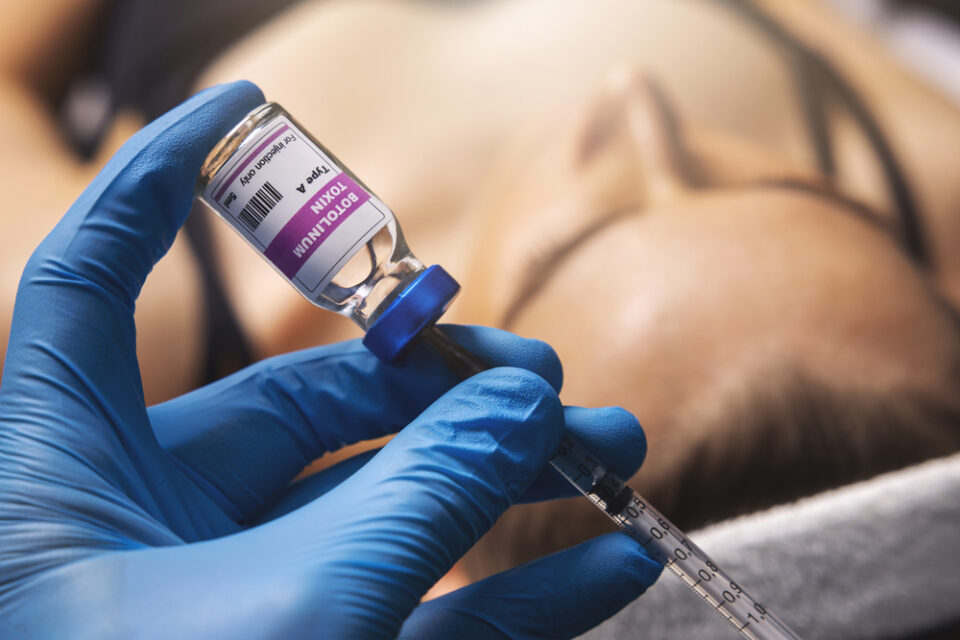
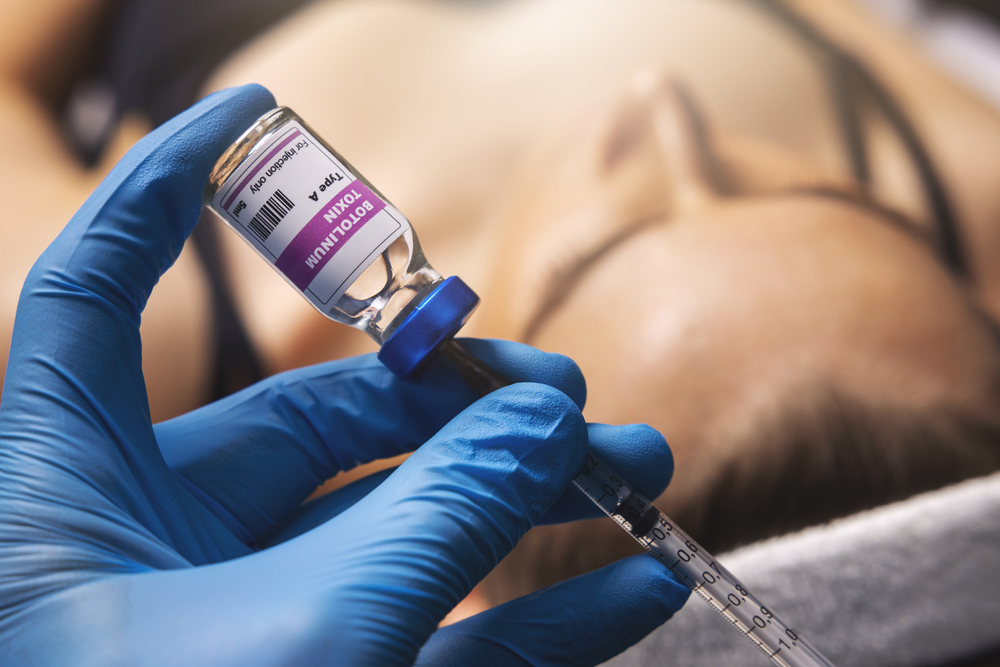
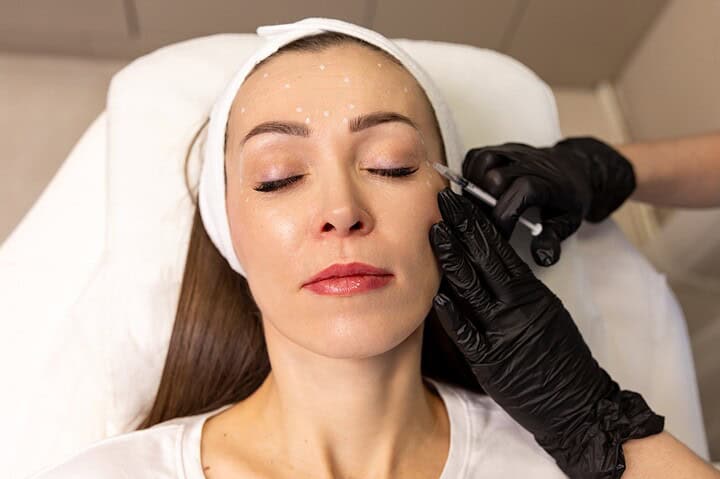
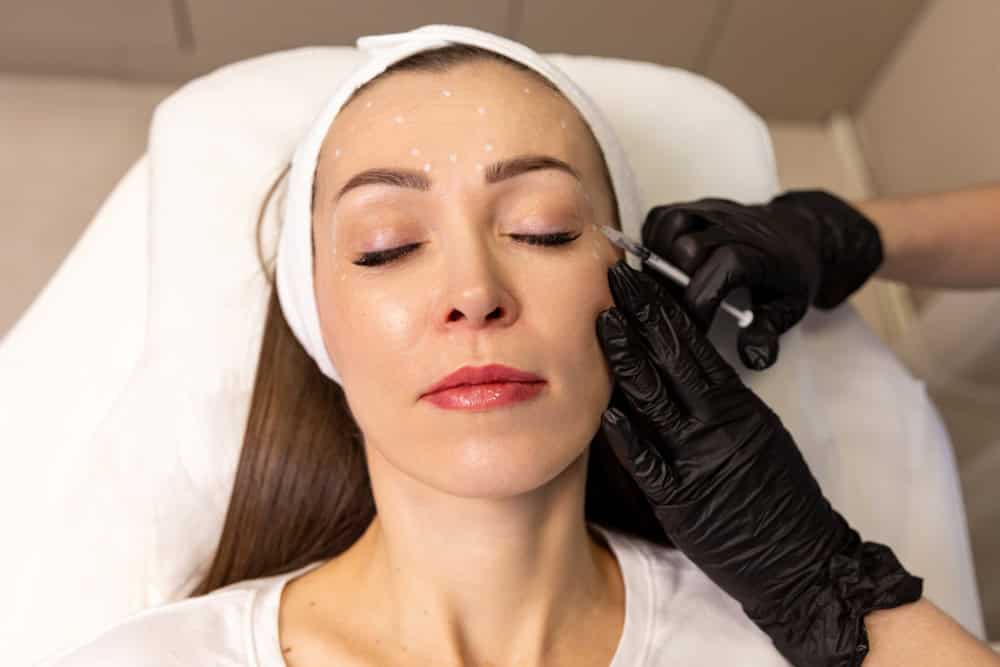
Botox is a purified form of botulinum toxin. When injected into the small muscles around the eye, it temporarily blocks the nerve signals that tell those muscles to contract. The muscle that drives crow’s feet is the orbicularis oculi, the ring of muscle that closes the eye during blinking, squinting, and smiling. When that muscle is relaxed, the skin above it stops folding as sharply, which softens the lines you see.
Now, does Botox help crow’s feet? For dynamic lines, yes. These are the lines that only appear when the face moves. For static lines already visible at rest, Botox still helps, but the change is more subtle. Deeper static wrinkles often need Botox paired with a small amount of dermal filler or a resurfacing treatment for the smoothest result. Expect softening, not surgical erasure.
Good Candidates for Botox Around the Eyes
Ideal candidates are adults in good general health with visible dynamic crow’s feet and realistic expectations about the outcome. If your lines only appear when you smile or squint, you are a strong fit. But if they are deeply set even when your face is relaxed, a combination plan usually works better than Botox alone.
Individuals in their late twenties and early thirties are increasingly opting for preventive Botox. The goal of these smaller-than-a-corrective-session doses is to reduce the speed at which repetitive muscle actions create wrinkles. This method is less invasive and preserves natural facial movements.
However, a few groups should delay or avoid treatment:
- Anyone pregnant or breastfeeding
- Patients with certain neuromuscular conditions such as myasthenia gravis
- Anyone with an active skin infection near the injection site
- Anyone with a known allergy to botulinum toxin.
A professional consultation is the only reliable way to confirm if you’re a suitable candidate for Botox, so avoid self-assessment.
What Happens During a Crow’s Feet Botox Session
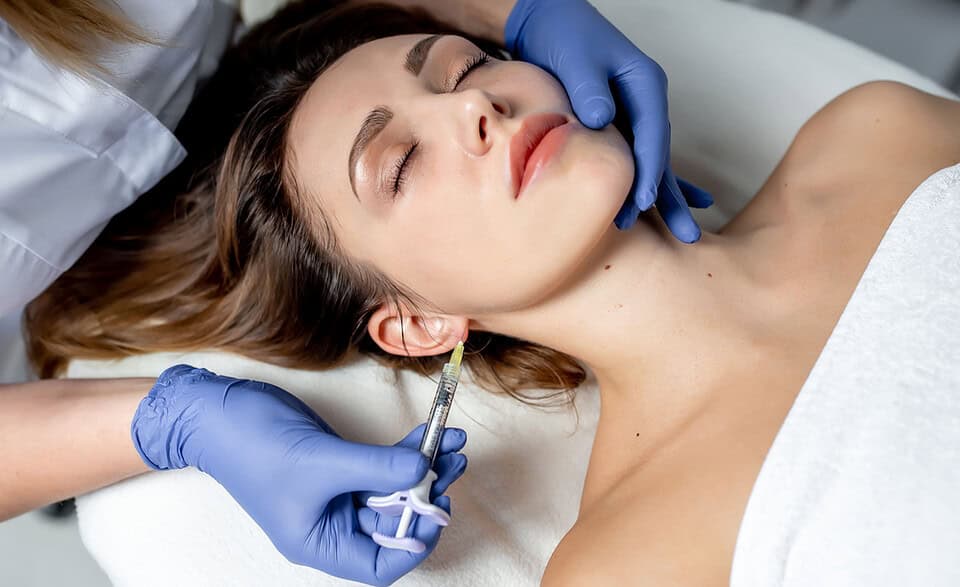
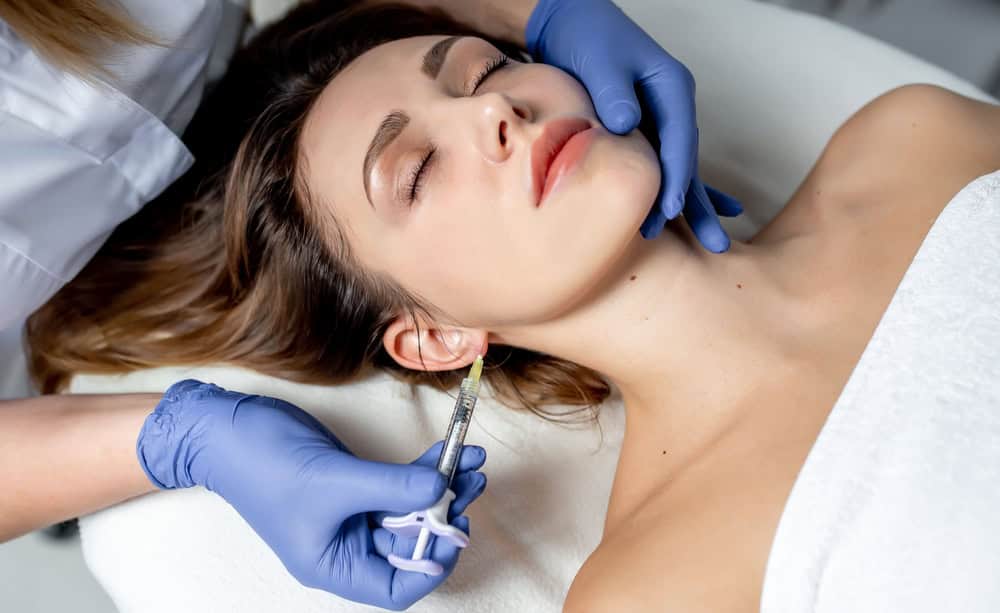
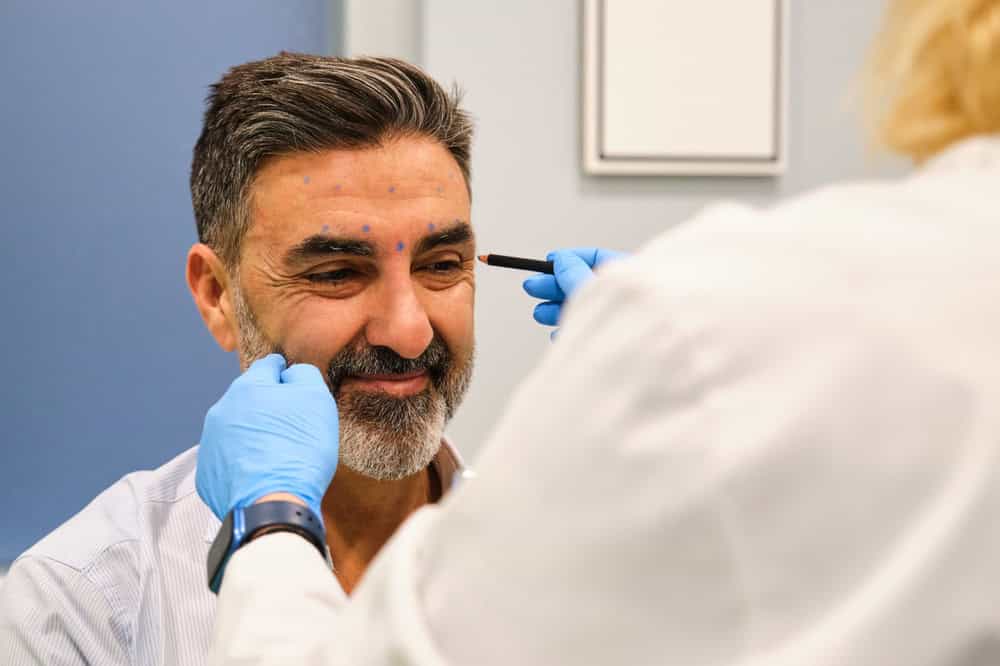
A first appointment starts with a short consultation. Your injector will look at how your eyes move when you smile, squint, and hold a neutral expression, then map the injection points based on where your muscle is strongest. Topical numbing cream or ice can be applied if you prefer, though most patients say the sensation is only a slight pinch. The injections themselves take just a few minutes.
To reduce bruising risk, avoid alcohol, aspirin, NSAIDs, fish oil, and vitamin E for 48 to 72 hours before your session. Let your doctor know about any medications, supplements, or conditions ahead of time.
After the session, avoid rubbing or massaging the eye area and hold off on makeup for 24 hours as part of proper aftercare. Don’t stress about gentle facial movement, however, as this is fine and actually helps the product settle. Give intense exercise, saunas, and hot showers a couple of days to pass before jumping back in.
Results, Timeline, and Safety of Crow’s Feet Botox
Does Botox help with crow’s feet quickly? Softening usually starts within 3 to 5 days, and the full effect settles in around 1 to 2 weeks. Most patients enjoy the results for 3 to 4 months, and some see them last up to 6 months. Duration depends on your metabolism, muscle strength, and how much product was used. Maintenance sessions every few months keep the softened look consistent.
Side effects are generally mild. Small bruises, temporary redness, and slight swelling at the injection sites resolve within a few days. Less common risks like eyelid or eyebrow drooping and temporary asymmetry typically result from incorrect placement or excessive units. A skilled injector’s experience is more crucial than any one technique because their expertise around the eyes safeguards both your aesthetic outcomes and your natural look.
Why Choose Nirunda Clinic for Botox for Crow’s Feet
Nirunda International Aesthetic Clinic has been providing injectable treatments in Bangkok for more than a decade, with board-certified dermatologists who tailor each session to the patient for the best outcome. Every appointment begins with a facial assessment that maps dose and placement to your muscle strength, expression patterns, and treatment goals.
Only US FDA-approved botulinum toxin is used. Botox for crow’s feet at the eyes can also be combined with jaw slimming, forehead, or frown line treatment in the same visit if a fuller upper-face plan makes sense for you. Botox around the eyes requires no downtime, so most patients return to work or their usual activities on the same day.
Refresh the Eye Area with Botox at Nirunda Clinic
Botox for crow’s feet works by relaxing the orbicularis oculi muscle around the eyes, softening the lines that show up when you smile or squint. Visible smoothing begins within 3 to 5 days, full effect lands at around 1 to 2 weeks, and results generally last 3 to 4 months before a touch-up is due. Even so, getting the best results comes from having an injector with the right expertise and experience.
With well over a decade of experience, Nirunda Clinic’s board-certified dermatologists excel at planning Botox treatments. Your eye injections are tailored to your face’s structure, muscle power, and how you express yourself, not a set amount. We can also combine this with other upper face treatments during the same appointment if it’s appropriate.
Keep crow’s feet away with Nirunda Clinic as your Botox clinic in Bangkok today. Our team will provide you with a personalized eye-area assessment and injection plan from board-certified specialists during your consultation. Book a consultation to get started.
References:
Is Botox Effective for Treating Crow’s Feet? Retrieved November 12, 2026, from https://www.healthline.com/health/botox-for-crows-feet
Crow’s Feet: What It Is, Botox, Treatment & Prevention. Retrieved November 12, 2026, from https://my.clevelandclinic.org/health/diseases/24586-crows-feet
Botox now FDA-approved for treating crow’s feet. Retrieved November 12, 2026, from https://www.cbsnews.com/news/botox-now-fda-approved-for-treating-crows-feet
Botox: Uses and Safety Information. Retrieved November 12, 2026, from https://www.mayoclinic.org/tests-procedures/botox
Frequently Asked Questions About Botox for Crow’s Feet
Q: Does Botox help crow’s feet that only appear when smiling?
A: Yes. Lines that only appear when the face moves are dynamic wrinkles, and dynamic crow’s feet are exactly what Botox treats best. Relaxing the orbicularis oculi muscle around the eye stops the skin from folding as sharply during smiles or squints, softening the visible lines within about 1 to 2 weeks.
Q: Does Botox get rid of crow’s feet completely?
A: Botox softens crow’s feet rather than erasing them. Dynamic lines from muscle movement respond well, but deeper static lines already etched into the skin at rest often need Botox combined with dermal filler or a resurfacing treatment for the smoothest result. Your injector will map the right combination during consultation.
Q: How many units of crow’s feet injections are typical?
A: Most patients need about 5 to 15 units per side, though the exact amount depends on muscle strength, skin thickness, gender, and whether the plan is preventive or corrective. Men often require more units than women because their eye-area muscles tend to be stronger. Your injector will finalize the dose during your facial assessment.
Q: How soon after Botox for crow’s feet can I go back to normal activities?
A: Same-day return is fine for most daily activities. Skip rubbing the eye area, wearing makeup for 24 hours, and intense exercise, saunas, or hot showers for about 2 days. Gentle facial movement is fine and can help the product settle into the target muscles.