

Alarplasty Surgery in Bangkok and What to Expect
Key Takeaways:
- Alarplasty reduces width, flare, or asymmetry at the base of the nostrils without affecting the bridge, tip, or nasal bones.
- It is a minor surgery performed under local anesthesia in about an hour, with incisions hidden in the natural crease where the nostril meets the cheek.
- Most swelling settles within one to two weeks, and the final result becomes clear over the following months.
- The procedure can stand alone or pair with broader nose reshaping, and a board-certified surgeon confirms the right plan at your consultation.
A nose can feel too wide at the base even when the bridge and tip look exactly right. That specific, localized concern is what alarplasty surgery addresses. For both local and international patients, alarplasty in Bangkok, Thailand has become a popular choice for focused nostril reduction, reducing width at the base while leaving the upper nasal structure untouched.

What Is Alarplasty and How It Differs from Rhinoplasty
Alarplasty removes or repositions a small amount of tissue at the nostril base to reduce width, correct flare, or improve asymmetry. It works entirely on soft tissue, leaving the cartilage and bony framework of the nose exactly as they were.
This is the clearest way to understand the difference. A full rhinoplasty in Bangkok can reshape the bridge, tip, septum, and nasal bones. Alarplasty focuses on the nostrils alone. Some patients benefit from combining the two in a single plan, and the surgeon determines whether that makes sense during the consultation.
Who May Be a Good Candidate
Alarplasty tends to suit people who share a few common traits. You may be a good candidate if you recognize yourself in the following:
- Wide nasal base: The base of the nose looks out of proportion with the rest of your features.
- Visible flaring: The nostrils widen or flare outward noticeably when you laugh or speak.
- Asymmetry: One side sits wider than the other. No face is perfectly symmetrical, so minor baseline differences often remain after healing.
- Good general health: You are in good health, a non-smoker or willing to stop, and hold realistic expectations about what the procedure can achieve.
Alarplasty Techniques Explained
Nostril reduction is a procedure measured in millimeters, and small differences in technique change the final shape. Surgeons generally work with three established approaches, each suited to a different type of nostril concern:
- Alar wedge excision: A small wedge of outer tissue is removed to reduce width or flare. This is the most common approach for noticeably flared nostrils.
- Weir incision: An advanced incision extending along the alar-facial groove and nostril base, ideal for patients who need significant base narrowing alongside flare reduction.
- Sill excision: Tissue is removed from the nostril floor to reduce the width of the base or adjust the shape of the opening.
Your surgeon selects the single method, or a combination, based on your nasal anatomy and desired outcome.
Alarplasty Procedure Step by Step
From the initial consultation to heading back to your hotel or home, here is how a standalone alarplasty procedure unfolds.
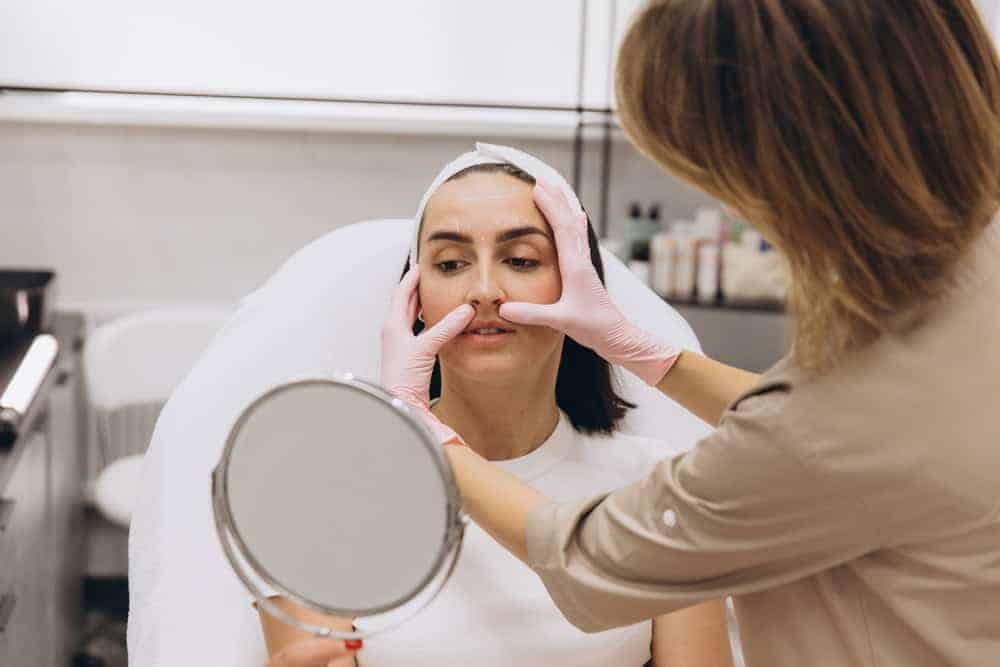
Step 1: Consultation and planning
Your surgeon examines your cartilage strength, skin thickness, mucosal lining, and airway, then measures nostril width both at rest and while you speak or smile. Assessing that movement is what lets tissue removal stay conservative and avoid over-correction.
Step 2: The surgery
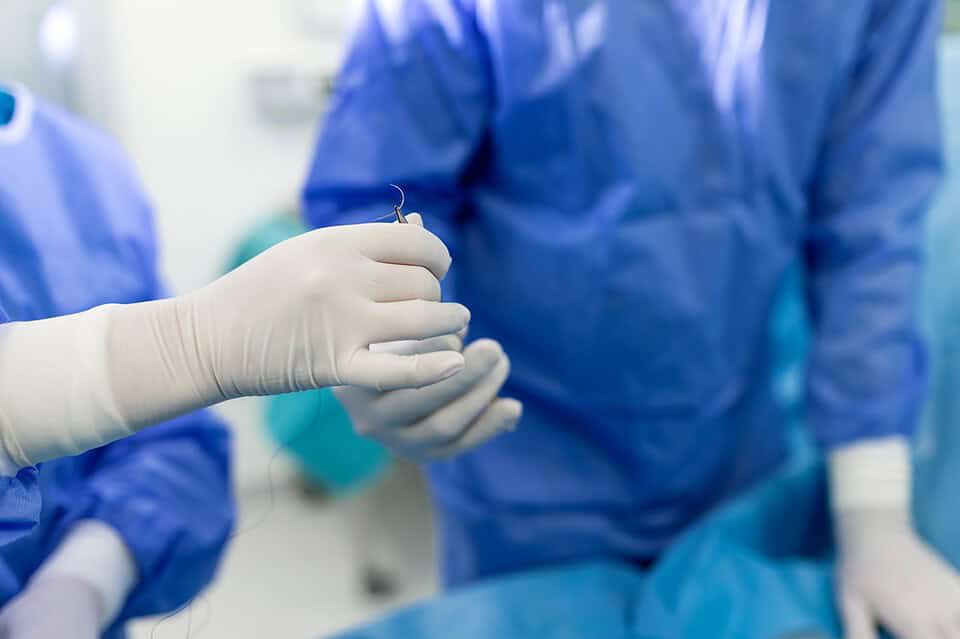
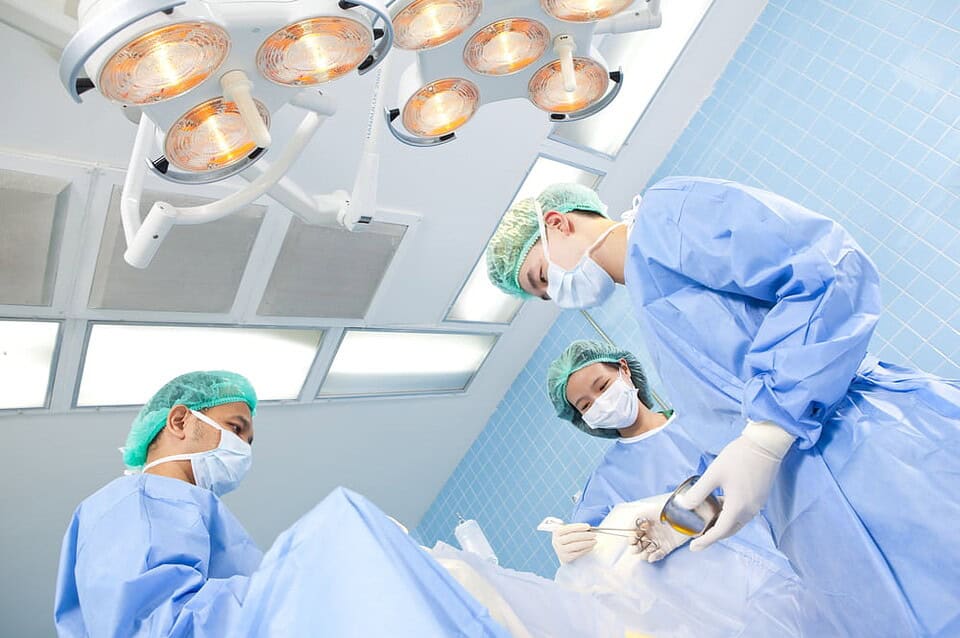
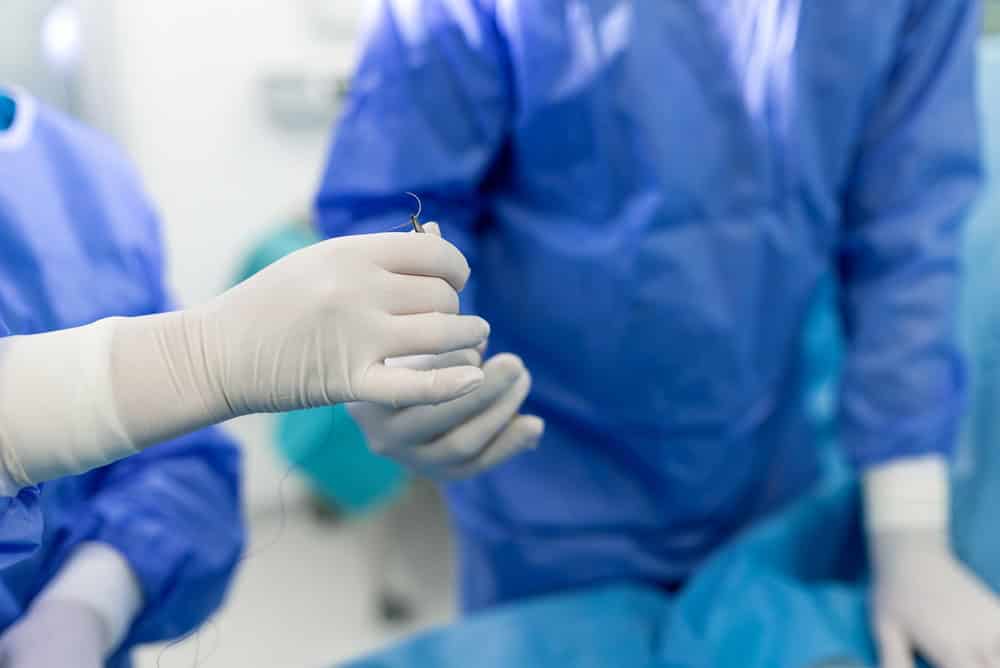
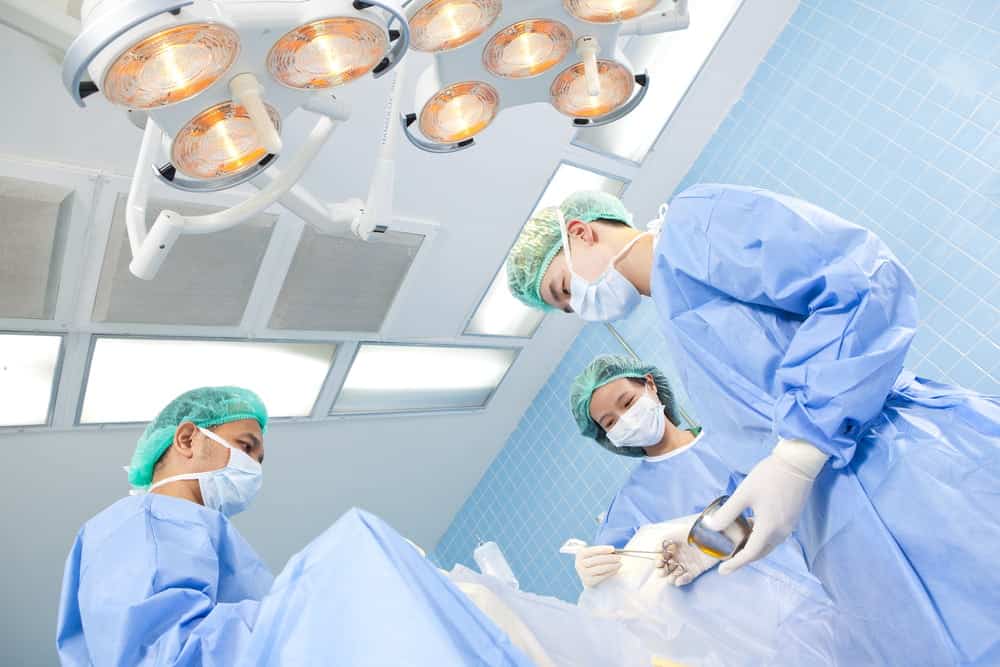
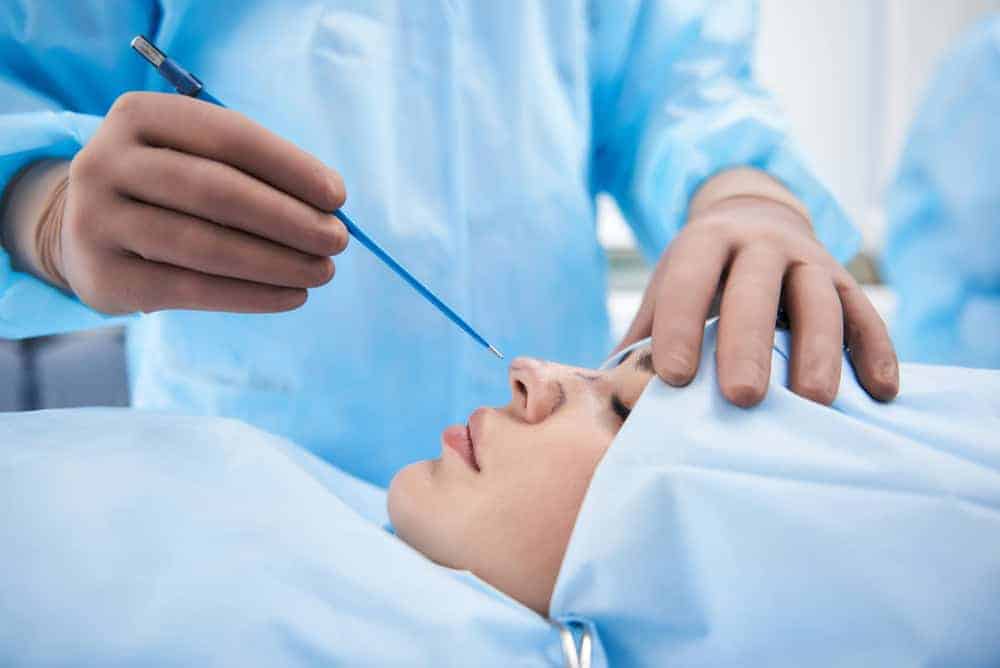
The procedure is done under local anesthesia and takes about an hour. Your surgeon makes a small incision where the nostril wall meets the cheek, removes the planned tissue, then repositions and closes the nostril with fine sutures. When alarplasty is combined with a full rhinoplasty, general anesthesia is typically used instead.
Step 3: Recovery and discharge
After a short rest at the clinic to confirm any bleeding has settled, your surgeon typically clears you to head home the same day, with a cold compress routine, any prescribed medication, and your aftercare instructions. Mild soreness, swelling, redness, and minor spotting are all normal in the early days and settle on their own.
Alarplasty Recovery Time and What to Expect
Healing follows a fairly predictable pattern, though everyone recovers at their own pace.
- Days 1 to 3: Swelling peaks. Rest, keep your head elevated, and protect the nose from bumps or pressure.
- Days 5 to 7: Sutures are typically removed at the clinic around this point, and most patients return to desk work and light routines.
- Weeks 2 to 6: Swelling continues to settle. Avoid impact and strenuous exercise during this window.
- Months 3 to 6: Scar tissue matures, softens, and fades. This is the ideal time to evaluate your final result.
Note: Sun protection deserves special attention if you are recovering from alarplasty in Thailand, where strong, year-round UV can darken fresh scars through hyperpigmentation. Keep direct sun off the healing incisions and wear sun protection whenever you are outdoors.
Alarplasty Before and After: How to Evaluate Results
In most alarplasty before and after comparisons, the change is subtle rather than dramatic. The goal is a nose that looks in proportion with the rest of your features, not one that looks obviously operated on. A few specific differences tend to stand out between the before and after.
- A narrower base: The widest point of the nostrils moves inward, bringing the base into better balance with the eyes and lips.
- Less flare: Nostrils that spread outward when smiling or speaking look more contained, which is usually the clearest difference from the front.
- A natural curve: A well-done result keeps the soft, rounded shape of the nostril rather than leaving it pinched or over-tightened.
Early photos still carry swelling, so the true result shows at around six months, once the base has fully healed and softened.
Risks, Scars, and Safety
Like any surgical procedure, alarplasty involves potential risks, including infection, localized bleeding, delayed healing, asymmetry, and over-correction. An experienced, board-certified surgeon minimizes these complications through conservative tissue planning, precise incision placement, and structured aftercare.
Among these concerns, visible scarring is often what patients worry about most. Fortunately, strategic surgical technique works in your favor. Placing incisions directly within the natural alar-facial crease or along the nostril sill allows scars to soften over time and blend discreetly into natural facial contours.
While typical healing is straightforward, knowing when to seek prompt medical attention remains an essential safeguard. Patients should contact their surgical team immediately if they notice any unusual post-operative symptoms, such as sudden heavy bleeding, severe escalating pain, spreading redness, fever, or breathing difficulty.
Your Path to a More Balanced Nose
Alarplasty is valuable precisely because it refines the nostril base without reshaping the entire nose. For many patients, however, the base is only part of the picture, and the most natural result comes from assessing the nose as a whole.
Beyond alarplasty, Nirunda Clinic also performs other nose reshaping surgeries in Bangkok, including rhinoplasty, tippoplasty, and hump reduction, all carried out by board-certified surgeons with more than a decade of experience. A customized, in-person assessment of your facial features and beauty goals marks the beginning of every treatment plan, allowing for careful observation and consideration.
Arrange a consultation at Nirunda Clinic to discuss whether alarplasty alone or a combined surgical method will best achieve a balanced, natural-looking outcome.
References:
Alarplasty: Procedure, Cost, Risks, and Recovery. Healthline. Retrieved 15 October 2026, from https://www.healthline.com/health/alarplasty
Internal Incision and Suturing Technique for Alar Base Reduction and Alar Lifting. Retrieved 15 October 2026, from https://clinmedjournals.org/articles/jor/journal-of-otolaryngology-and-rhinology-jor-9-144.php?jid=jor
Frequently Asked Questions About Alarplasty Surgery
Q: Does alarplasty surgery hurt?
A: The procedure is performed under local anesthesia, so you will not feel pain during surgery, though you may feel mild pressure or tugging. Most patients experience mild tightness or soreness in the first few days rather than severe pain, which is easily managed with prescribed pain medication.
Q: Will alarplasty leave a visible scar?
A: Any surgical incision leaves a scar, but incisions are strategically placed inside the natural crease where the nostril meets the cheek or along the nostril sill. These marks typically soften, fade, and blend into natural skin folds over three to six months. Diligent aftercare and daily sun protection help incisions heal as discreetly as possible.
Q: How soon can you return to work after alarplasty?
A: Most patients return to desk work and light routines within about a week, once the sutures are removed. Strenuous exercise and anything that risks a bump to the nose should wait longer, usually until around the six-week mark as the area settles.
Q: Is the alarplasty result permanent?
A: Yes. The reduction in width and flare at the base of the nose is permanent, since the excised tissue does not grow back. Your refined contours will settle as swelling resolves over the first few months, though natural facial aging will continue normally over your lifetime.