
The Costs, Stages, and Results of Phalloplasty in Thailand
Key Takeaways
Phalloplasty is a multi-stage surgical process that builds a neophallus using flap tissue from the forearm or thigh, with the full staged process spanning 12 to 18 months. Thailand has a decades-long track record in gender-affirming surgery and costs significantly less than Western countries, though the number of providers who perform phalloplasty specifically is smaller than those offering MTF procedures. Realistic planning starts with understanding what each stage involves, what costs to expect beyond the quoted price, and what questions to ask before choosing a surgeon.
The majority of FTM individuals exploring phalloplasty encounter similar obstacles: unpredictable cost projections, unclear surgical schedules, and unconfirmed results. Getting a phalloplasty in Thailand is consistently recommended in FTM communities as the value proposition is undeniable.
However, because this is one of the most technically challenging procedures in gender-affirming care, understanding the actual price, timeline, and outcome is crucial, as they all vary considerably based on technique, surgeon, and the number of stages needed to achieve your goals. Here is what you need to plan for.
Why Patients Travel to Thailand for Gender-Affirming Surgery
Thailand has been a destination for gender-affirming surgery since the 1970s. As such, experienced surgical teams, internationally accredited hospitals in Bangkok, English-speaking care teams, and costs that are substantially lower than in the US, UK, or Australia. A full phalloplasty process that can exceed $100,000 USD in the United States is typically available in Thailand at a fraction of that cost.
However, it should be noted that phalloplasty is offered by fewer Thai providers than MTF procedures. The pool of surgeons with real case volume in FTM bottom surgery is smaller, which makes provider research more important here than for other gender-affirming procedures.
What Phalloplasty Actually Involves
Phalloplasty builds a neophallus using flap tissue from the forearm or thigh, and the tissue includes nerves and blood vessels, which allows tactile and erogenous sensation to develop over time. The procedure addresses appearance, standing urination, sensation, and with an implant placed in a later stage for penetrative sexual function. Erection is achieved through a penile implant, not through the flap itself.
The procedure is staged because each step needs the tissue to fully heal before the next can proceed. The typical sequence runs from initial flap construction through urethral lengthening, glansplasty, scrotoplasty, and eventually implant placement. That first surgery runs eight to ten hours, while the full process from the first operation to the last stage can span 12 to 18 months.
How Much Phalloplasty Costs in Thailand
A single quoted price for phalloplasty in Thailand is almost always incomplete, as the actual figure depends on flap technique, how many stages are included, hospital stay length, and whether implants are covered or billed separately.
Here’s what a full quote typically covers:
- Surgeon fees (including later stages of the procedure)
- Anesthesia
- Operating room
- Initial hospital stay.
- Penile and testicular implants
- Revisions
- Pre-operative evaluations
As such, the budget should be allocated separately for accommodation during recovery (a minimum of two to three weeks for the initial stage), flights, a support person, travel insurance, and follow-up once back home.
Before committing to any clinic, ask for a written, itemized quote that names the surgeon, the technique, and exactly which stages the price covers. You should receive clear and direct answers to all your questions.
Flap Techniques Used in Phalloplasty
The two main donor sites are the forearm and the thigh. The radial forearm free flap (RFFF) is more established, delivering strong sensation and reliable cosmetic results, but leaves a visible forearm scar. On the other hand, thigh-based flaps like the anterolateral thigh (ALT) conceal the donor scar more easily and allow more length options, though the result can be slightly bulkier.
Flap choice is made with your surgeon based on body type, scarring tolerance, and functional priorities.
The Phalloplasty Process Step by Step
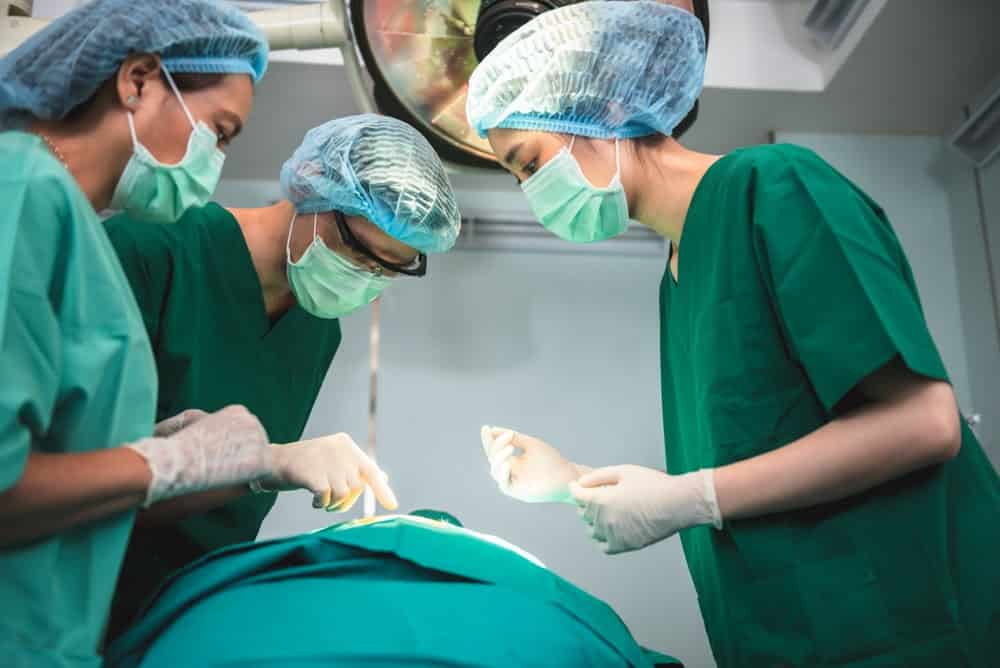
As a phalloplasty is a complex and significant procedure, eligibility comes first before it can begin. You need documented gender dysphoria, mental health clearance from two providers, and at least 12 months of hormone therapy. These requirements follow WPATH Standards of Care, and reputable clinics in Thailand adhere to them.
Once eligibility is confirmed, pre-surgery steps involve blood tests, a physical check-up, ceasing blood thinners, and removing hair from the donor area. The initial hospital stay post-operation is a minimum of seven days. Close monitoring of blood flow to the neophallus is essential after microsurgical connections and cannot be bypassed.
Later stages are scheduled months apart, which means multiple trips to Thailand with several months between each one.
Recovery and Realistic Results
Most patients need at least six weeks before returning to normal activity after the initial surgery. Scar maturation at both sites takes considerably longer, often a year or more.
Phalloplasty results in Thailand, like anywhere, depend on technique, anatomy, and how many stages have been completed. There are also several important factors to take note of:
- Donor site scarring is permanent.
- Sensation develops over time but varies between patients depending on nerve healing.
- Appearance improves progressively with each stage.
It is important to note that complications from phalloplasties are frequent; patients should anticipate them. Urethral strictures and fistulas are the most documented issues and may necessitate corrective surgery. Real risks also exist concerning wound healing issues and partial flap loss.
As such, revision is sometimes part of the process instead of a sign that something went wrong, so having mental health support through recovery is part of good care.
How to Choose a Surgeon and Clinic
Phalloplasties in Thailand should be handled by experienced and properly equipped surgeons. Look for board certification in plastic and reconstructive surgery, microsurgery training, and real case volume in phalloplasty specifically.
Continuity of care matters too. You’ll be far from your surgical team for most of your recovery, so confirm the following before committing to the procedure:
- Who performs the operation
- Which technique, and why it suits your situation
- What the quoted price actually covers
- How complications are handled once you’re home
A proper consultation answers these questions for your specific situation, and you should receive full assurance from your clinic of choice.
Planning Your Transition with Nirunda Clinic
Phalloplasties are one of the most complex procedures in gender-affirming care, and the elaborate and lengthy process from start to finish encompasses several stages that can develop complications if not properly handled by an experienced professional medical team. For those considering the procedure, choosing the right clinic is as big a priority as going forward with the procedure.
At Nirunda International Aesthetic Clinic, we offer sex reassignment surgery for both MTF and FTM transitions, including phalloplasty in Thailand, alongside facial feminization and related procedures. Our clinic follows HBIGDA eligibility criteria, including the required psychiatric assessments and documentation under Thai law, and sex reassignment surgery is led by Dr. Poonpissamai Suwajo, a Doctor of Medicine from Chulalongkorn University and member of the Thai Board of Plastic and Reconstructive Surgery at King Chulalongkorn Memorial Hospital.
Discover your options for transgender surgery with Nirunda Clinic today. Book a consultation with us to review your eligibility, discuss your options, and build a transition plan suited to your goals.
References:
- Phalloplasty for Gender Affirmation. Retrieved on 9 June 2026 from https://www.hopkinsmedicine.org/health/expert-qa/phalloplasty-for-gender-affirmation
- Gender-Affirming Phalloplasty: A Comprehensive Review. Retrieved on 9 June 2026 from https://www.ncbi.nlm.nih.gov/pmc/articles/PMC11477944/
- Donor Site Morbidity in Phalloplasty Reconstructions: Outcomes of the Radial Forearm Free Flap. Retrieved on 9 June 2026 from https://pmc.ncbi.nlm.nih.gov/articles/PMC6908408/
- WPATH Standards of Care Requirements for Gender-Affirming Surgery. Retrieved on 9 June 2026 from https://www.transhealthcare.org/resources/wpath-standards-of-care-requirements-for-gender-affirming-surgery/
Frequently Asked Questions About Phalloplasty in Thailand
Q: What is the difference between phalloplasty and metoidioplasty?
A: Phalloplasty uses flap tissue from the forearm or thigh to construct a neophallus large enough to house a penile implant for erectile function. Metoidioplasty uses the hormonally enlarged clitoris to create a smaller neophallus, with a shorter recovery and fewer stages, but does not typically allow penetrative sexual function without an implant. Both are valid FTM bottom surgery options depending on your goals, anatomy, and priorities.
Q: How long do I need to stay in Thailand for phalloplasty?
A: For the initial surgery, plan for at least two to three weeks in Thailand: roughly one week as an inpatient for blood supply monitoring, followed by additional recovery time before flying. Later stages require separate trips spaced several months apart. Plan each trip individually rather than assuming one long stay covers the full process.
Q: Can I get phalloplasty in Thailand if I have not had hormone therapy?
A: Reputable clinics require at least 6 months of hormone therapy before phalloplasty. This is a clinical and regulatory requirement, not an arbitrary barrier. Some patients may need a longer documented period depending on their medical history. A consultation will confirm exactly what documentation you need before surgery can be scheduled.
Q: What happens if I have complications after returning home?
A: Depending on severity, complications like urethral strictures or wound issues may need local medical attention or a return trip to your surgical team. Before choosing a clinic, establish your point of contact, the communication protocol, and how the clinic handles post-operative complications for international patients. Some clinics can coordinate with providers in your home country.