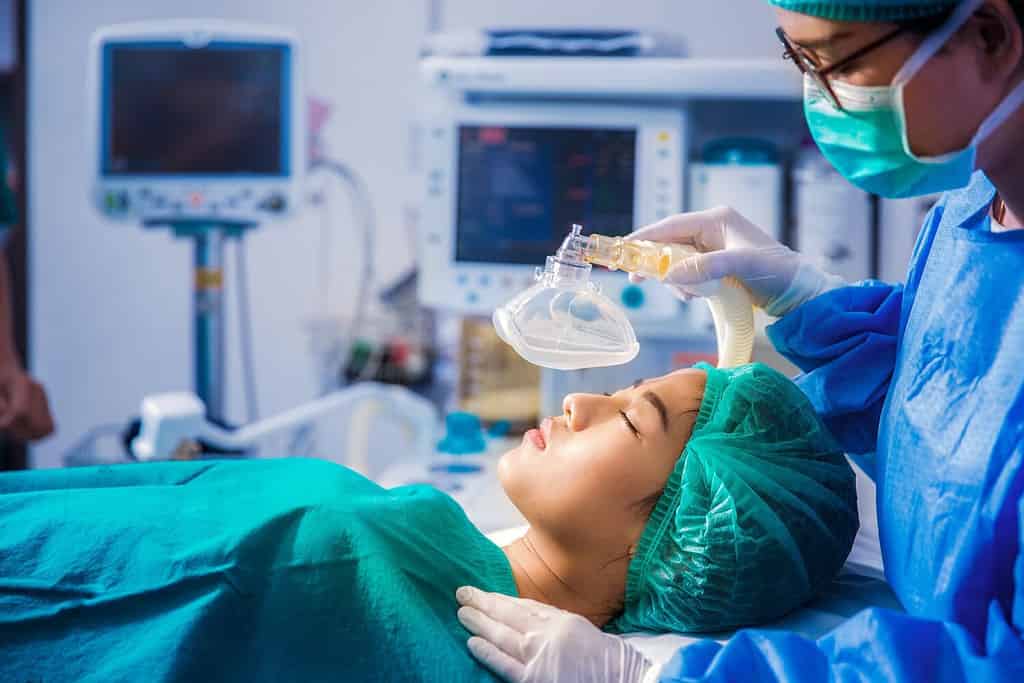


What to Know About FTM Top Surgery in Thailand

Key Takeaways
- FTM top surgery removes breast tissue and reshapes the chest for a flat, masculine contour, with relief from chest dysphoria as a central goal.
- FTM double-incision top surgery is the most common approach for medium to large chests, while periareolar and keyhole methods suit smaller chests with firm skin.
- Recovery runs 4 to 6 weeks before daily activity resumes and up to 12 weeks before full exercise is safe. Scars keep fading for a year.
- FTM top surgery cost in Thailand typically ranges from USD 3,500 to 7,000, well below the USD 8,000 to 15,000 that North American clinics charge.
- Reputable clinics require mental health referral letters, stable hormone levels, and a health screening before booking any surgery date.
- Explore gender-affirming procedures, including MTF surgery in Thailand, at Nirunda Clinic to discuss your eligibility, timeline, and surgical plan.
Chest dysphoria is one of the hardest daily struggles for many trans men and nonbinary individuals, and FTM top surgery is often the one procedure that changes everything. Thailand is a popular choice for this surgery because of its expert surgeons, well-planned recovery, and costs considerably less than in North America and Europe.
Bangkok, specifically, has a long history of performing gender-affirming surgery. Despite this, approaches are diverse, and choosing the right clinic holds the same importance as the surgery. Here’s what you need to plan.
Explore surgical options with a one-on-one consultation with our team at Nirunda.
How FTM Top Surgery Works
FTM top surgery, also known as mastectomy FTM in clinical contexts, removes breast tissue and reshapes the chest to look flat and masculine. The goals are a natural chest contour, well-positioned nipples, and lasting relief from dysphoria.
The outcome is influenced by body type, the method used, and the body’s healing process. A few patients achieve results close to their desired outcome after their initial surgery, but some require a minor adjustment later for contour or nipple placement. To establish realistic expectations, a comprehensive consultation is necessary. Furthermore, reputable clinics mandate referrals for mental health, stable hormone levels, and a health screening prior to scheduling.
Types of FTM Top Surgery
Not every chest calls for the same approach, and the technique your surgeon recommends depends heavily on chest size, skin elasticity, and how much tissue needs to be removed to reach the flat contour you are after.
- Double incision: the most common approach for medium or large chests. Two horizontal cuts along the lower chest line let the surgeon remove tissue and reposition the nipples as grafts. FTM double incision top surgery gives the flattest result, but the scars are longer, and nipple sensation may be reduced.
- Periareolar and keyhole: smaller cuts around the nipple area, best suited for smaller chests with firm skin. Scarring is minimal, but the risk of uneven results is higher if the anatomy is not ideal.
- Other methods: techniques like buttonhole or inverted-T exist for specific cases, and the surgeon will recommend the best fit based on your consultation.
Recovery Timeline and Post-Op Care
Recovery from FTM top surgery unfolds in phases, and knowing what each stage involves helps you plan travel, work, and support around the process.
- Weeks 1 to 2: rest, limited arm movement, and drains removed within the first week. Swelling and bruising are normal, and a compression vest is worn around the clock to help the tissue settle into its new contour.
- Weeks 3 to 6: light activity resumes, but no gym or heavy lifting. The compression vest is still needed for most of the day.
- 6 to 12 weeks: gradual return to full exercise. Scars keep fading for up to a year, and scar care becomes part of the daily routine with silicone sheets, sunscreen, and gentle massage often recommended by the surgical team.
FTM Top Surgery Costs in Thailand and Safety Notes

FTM top surgery cost in Thailand typically ranges from USD 3,500 to 7,000, depending on technique, surgeon, and what the package includes. Comparable procedures in North America run USD 8,000 to 15,000, which is why medical tourism to Thailand continues to draw international patients.
Most packages include the surgeon, anesthesia, hospital stay, nursing care, and medication. The initial two weeks of recovery near the clinic require separate budgeting because travel, lodging, and caregiver expenses are not in those figures.
Your surgeon’s qualifications are crucial for safety; seek board certification, verify their experience with this exact procedure, and request to see before-and-after pictures along with complication statistics during your meeting. Potential risks such as bruising, infection, irregular contours, and temporary numbness exist. A skilled team can manage these, although they are uncommon.
Planning Your FTM Top Surgery Trip to Thailand
When planning for FTM top surgery, shortlist top surgery FTM surgeons, review before-and-after photos, and book a virtual consultation. Ask about technique, aftercare support, and what happens if a complication comes up after you fly home.
For your stay, book accommodation close to the clinic and arrange a companion for the first week. Plan to stay at least 1 to 2 weeks in Thailand for post-op follow-up visits, and factor in a few extra days in case travel plans need to shift for medical reasons.
Obtain your surgical report before your exit from Thailand and give it to a doctor there who can manage subsequent care if necessary. Ongoing care at home significantly contributes to a successful recovery, and establishing a strong support system early on simplifies managing the months of healing.
Move Forward with Gender-Affirming Surgery at Nirunda
FTM top surgery reshapes the chest to a masculine contour, with FTM double-incision top surgery being the most common approach. Compared to price ranges in other countries, FTM top surgery cost in Thailand runs lower, and Bangkok’s long, established track record in gender-affirmative surgery makes it a top destination for this surgery, provided it is performed by the right professionals.
Here at Nirunda International Aesthetic Clinic, we offer gender-affirming surgery, including FTM bottom surgery, led by Dr. Poonpissamai Suwajo, a Chulalongkorn University-trained plastic surgeon and Thai Board of Plastic and Reconstructive Surgery member. The clinic adheres to HBIGDA eligibility standards, conducting thorough pre-operative assessments and post-operative monitoring. We support both local and international patients throughout their journey to optimize results.
Book a consultation with us at Nirunda Clinic today for FTM surgery in Thailand. Our team can walk you through available procedures, eligibility requirements, and a surgical timeline that works with your travel plans.

References:
Chest Surgery for Transgender Men. Retrieved on June 24, 2026, from https://www.hopkinsmedicine.org/health/treatments-tests-and-therapies
WPATH Standards of Care for the Health of Transgender and Gender Diverse People. Retrieved on June 24, 2026, from https://www.wpath.org/publications/soc
Gender-Affirming Chest Reconstruction: Techniques and Outcomes. Retrieved on June 24, 2026, from https://www.ncbi.nlm.nih.gov/pmc/
Gender Affirmation Surgery Overview. Retrieved on June 24, 2026, from https://my.clevelandclinic.org/health/treatments/
Frequently Asked Questions About FTM Top Surgery
Q: Is it safe to get FTM top surgery in Thailand?
A: Yes, when the surgeon is board-certified with proven experience in FTM top surgery and the clinic follows established protocols like HBIGDA or WPATH eligibility. Bangkok has several internationally accredited hospitals that handle gender-affirming surgery, and safety comes down to the credentials, technique, and aftercare structure of the specific clinic rather than the country itself.
Q: What is the FTM top surgery recovery timeline?
A: Most patients need at least 2 weeks off work before returning to a desk-based role, 6 weeks before resuming light activity, and 12 weeks before returning to full exercise. Scars continue to mature for up to a year, and compression vest use is typical for the first several weeks after surgery.
Q: What does FTM top surgery post op care involve?
A: Post-op care involves keeping drains clean during the first week, wearing a compression vest around the clock for several weeks, avoiding heavy lifting and overhead reaching, and following the surgeon’s schedule for wound checks. Scar care with silicone sheets and sun protection becomes part of the routine from around week 4 onward.
Q: How does the FTM top surgery procedure differ between chest sizes?
A: Medium and large chests usually call for a double incision, which allows full tissue removal and nipple repositioning as free grafts. Smaller chests with firm skin may suit periareolar or keyhole techniques, which leave smaller scars but offer less contouring flexibility. Your surgeon recommends the right approach based on your assessment.