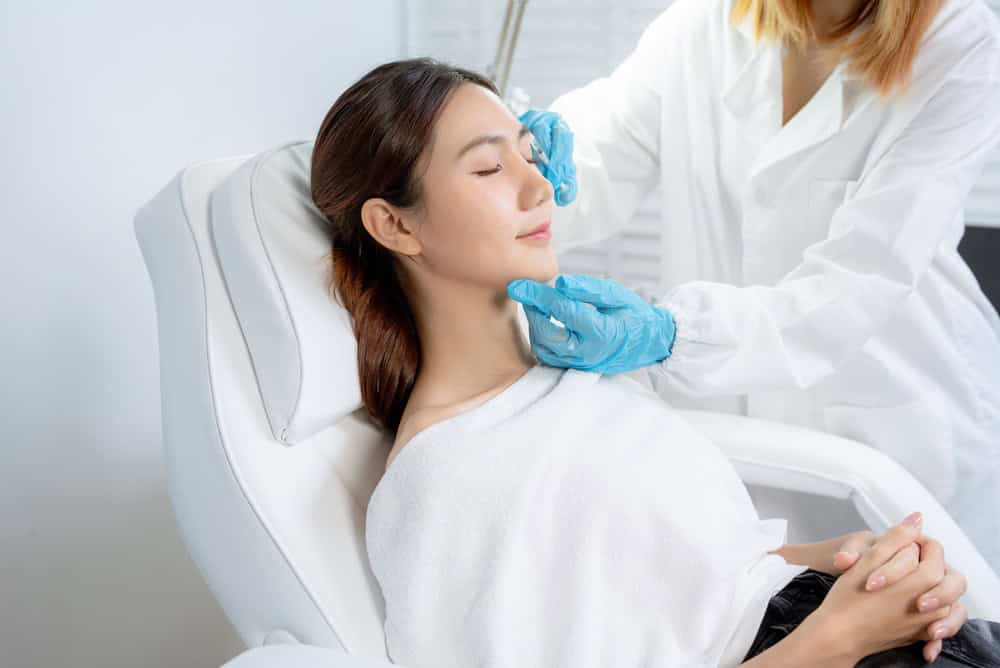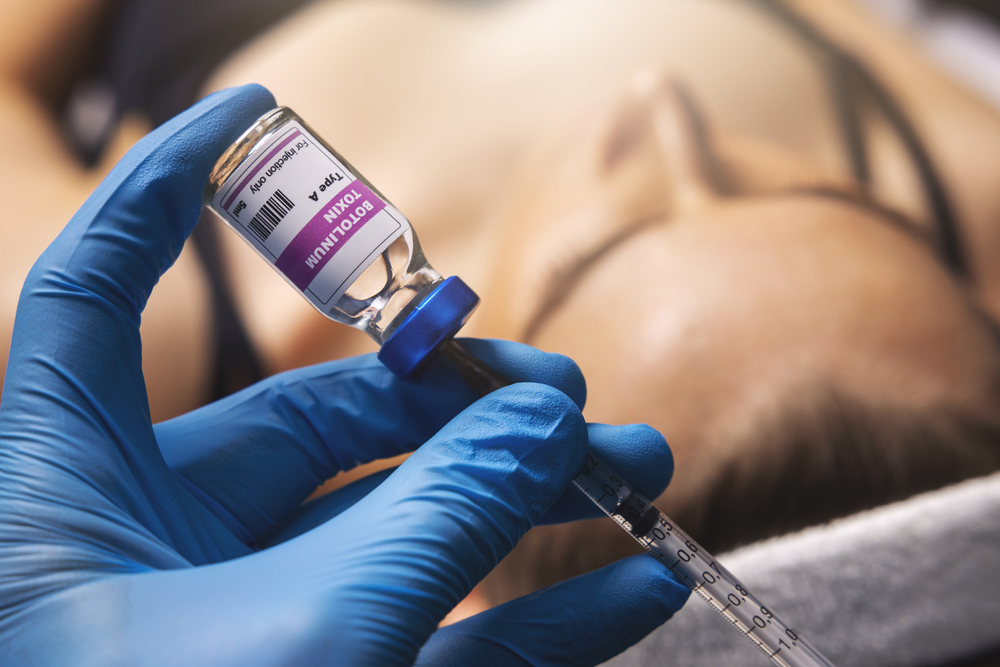

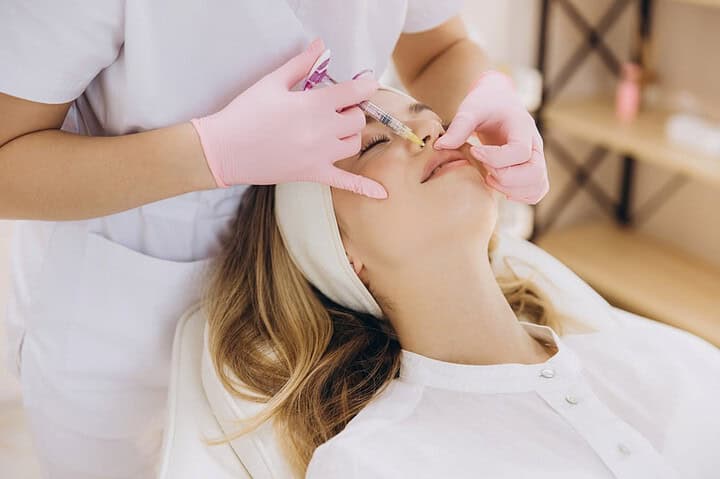
Botox Aftercare Tips for Longer Lasting Results
Key Takeaways
Proper Botox aftercare begins 48 to 72 hours before the appointment, with restrictions on supplements, alcohol, and active skincare. The first 24 to 48 hours after treatment are the most important, with specific protocols around posture, facial pressure, heat exposure, and physical activity. Long-term habits such as daily sunscreen use, healthy lifestyle choices, and a consistent rebooking schedule help preserve results over time.
Among non-surgical cosmetic procedures, Botox is extremely popular, with injections typically lasting only a few minutes. Good preparation minimizes bruising and swelling, and correct aftercare ensures the product stays in place.
A clear approach to Botox aftercare removes the guesswork and protects the investment patients make in their treatment.
How to Prepare Before a Botox Appointment
A considerable portion of the bruising and slow healing that patients attribute to Botox actually originates in the days leading up to the appointment. Several pre-treatment adjustments significantly reduce these risks and support a smoother recovery.
- 48 to 72 hours before treatment: Discontinue blood-thinning supplements such as fish oil, vitamin E, and ginkgo biloba. Avoid alcohol and reduce smoking. Both thin the blood and impair tissue recovery, which leads to more pronounced bruising and prolonged downtime.
- Skincare adjustments: Pause retinol, AHAs, BHAs, and other strong exfoliants. Avoid waxing, bleaching, or laser treatments in proximity to the planned injection area. The skin should remain calm and intact at the time of treatment.
- Day of treatment: Arrive with clean, makeup-free skin. This shortens preparation time and allows the injector to assess facial muscles clearly.
- Disclosure to your injector: Provide a full list of medications, supplements, allergies, and medical conditions, including those that may seem unrelated. Communicate aesthetic goals clearly, whether the preference is for subtle refinement or a more pronounced result, and mention any upcoming travel, formal events, or extended sun exposure. These factors directly influence dosing decisions.
Treating preparation with the same care as the treatment itself produces a noticeably better outcome and reduces preventable side effects.
What to Avoid After a Botox Injection
Post-injection, the muscles treated require a brief period of rest to enable the product to adhere precisely at the injection site. The majority of post-treatment guidelines aim to stop the product from moving to nearby muscles, which could lead to inconsistent outcomes.
- First 4 hours: Remain upright. Avoid lying flat, bending forward for extended periods, and wearing any tight hats or headbands that apply pressure to the treated areas.
- First 24 hours: Skip heavy makeup applications. Light face washing with gentle pressure is permitted.
- 24 to 48 hours: Avoid strenuous exercise, heavy lifting, and any activity that significantly raises blood pressure. Elevated blood pressure heightens the risk of bruising and swelling.
- One to two weeks: Avoid rubbing, massaging, facials, and using gua sha tools, as these can shift the Botox before it fully settles into place. It is also best to avoid saunas, steam rooms, hot tubs, chemical peels, microneedling, and laser treatments during this time, since excessive heat can affect how well the Botox settles into the muscle.
The first 24 hours represent the strictest portion of Botox aftercare. After this initial window, most patients resume normal daily activities without restriction.
Side Effects After Botox and When to Call Your Doctor
Most patients experience only minor and short-lived side effects following Botox treatment. Understanding which reactions fall within the expected range and which warrant a call to the clinic helps reduce unnecessary concern during the recovery period.
- Common and expected: Mild bruising at the injection site, particularly around the eyes and mouth where blood vessels sit close to the skin surface. Slight swelling and minor redness typically resolve within several days. A cool compress wrapped in a towel, applied in short intervals, can help reduce any pronounced symptoms.
- Less common: A mild headache may occur on the day of treatment. Some patients also report tenderness or a sensation of heaviness in the treated area as the product begins to settle. Both typically subside within a few days.
- Rare but worth knowing: A temporary drooping eyelid or uneven brow may occur if the product migrates slightly after injection. This is almost always a technique-related issue rather than the patient’s fault and resolves once the Botox wears off in the affected muscle.
- Warrants prompt medical attention: Contact your clinic without delay if you experience difficulty swallowing, blurred vision, muscle weakness in areas distant from the injection site, or signs of infection such as escalating pain, swelling, and warmth. These symptoms are uncommon but should not be left untreated.
Serious complications from cosmetic Botox remain rare when treatment is administered by an experienced, board-certified injector using appropriate dosing.
How to Make Botox Last Longer
Botox results typically last three to four months, with some patients experiencing effects closer to five or six months. Genetics and metabolism establish the baseline duration, but daily habits and treatment consistency play a more significant role than many patients realize.
- Sun protection: Daily broad-spectrum sunscreen protects the collagen and elastin that maintain skin smoothness between treatments. UV exposure degrades the same structural proteins that Botox helps preserve.
- Healthy daily habits: Adequate sleep, consistent hydration, and a balanced diet support skin health from within. Smoking and chronic stress accelerate the rate at which results fade.
- Consistent treatment schedule: Rebooking every three to four months, before the treated muscles fully reactivate, helps maintain a more sustained effect over time. Extending the gap too long requires effectively starting the treatment cycle from the beginning.
- Complementary procedures: Pairing Botox with dermal fillers or skin boosters addresses different aspects of facial aging simultaneously, which extends the overall effect of each appointment.
None of these recommendations is difficult to implement, but their cumulative impact over months is substantial. Patients who approach Botox aftercare as an ongoing practice consistently achieve better long-term results.
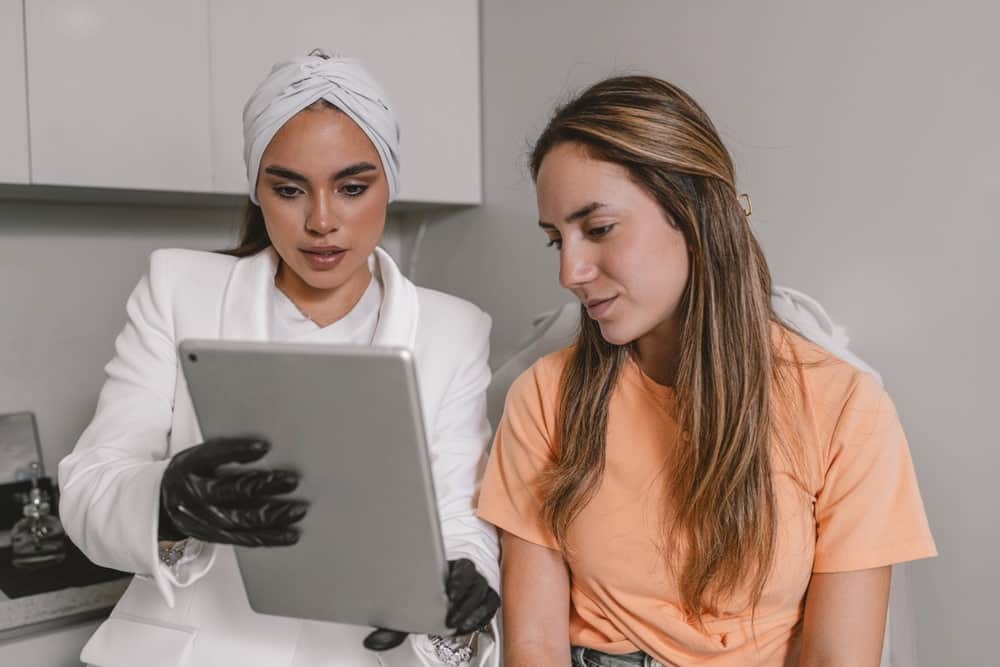
Get the Most Out of Every Botox Session at Nirunda Clinic
The distinction between an average Botox result and an excellent one typically comes down to two factors: precise injection technique and clear aftercare guidance. Both carry equal weight, and neither should be left to assumption.
Nirunda Clinic has provided care to local and international patients in Bangkok for over a decade. The board-certified medical team conducts a thorough facial anatomy assessment before determining dosing and placement, an approach that preserves natural movement while delivering visible results. Treatment options include wrinkle reduction, V-shape jawline contouring, and underarm Botox for excessive sweating, each accompanied by personalized pre- and post-treatment guidance.
Great results start with the right injector. Schedule a consultation to get Botox at Nirunda Clinic in Bangkok today.
Frequently Asked Questions About Botox Aftercare
How long does Botox take to fully settle?
Most patients begin seeing results three to five days after treatment, with the full effect becoming visible at one to two weeks. The product requires this period to bind to the targeted muscles, which is why Botox aftercare during the first 24 to 48 hours is so important.
What to avoid before and after Botox on the same day?
Before your appointment, avoid alcohol and skip strenuous exercise, as both increase the chance of bruising. After treatment, stay upright for the first four hours and avoid alcohol, intense exercise, and heat exposure such as saunas, steam rooms, or hot showers for the rest of the day.
Can I exercise the day after Botox?
Light walking is generally acceptable. However, strenuous exercise, heavy lifting, and any activity that significantly raises blood pressure should be avoided for at least 24 to 48 hours. Elevated heat and blood pressure both increase the risk of bruising and swelling at the injection sites.
When should I book my next Botox appointment?
Most patients rebook every three to four months. Returning before the muscles fully reactivate helps maintain a more sustained effect over time. Your clinic can recommend an appropriate schedule based on how your body metabolizes the product.
References:
Botox Aftercare: The Do’s, Don’ts and Don’t-Worry-About-Its. Retrieved 24 June 2026, from https://health.clevelandclinic.org/botox-aftercare