

How Nasolabial Fold Fillers Work, Last, and Lift the Midface

Key Takeaways:
Nasolabial fold fillers use hyaluronic acid to soften the creases from nose to mouth, and are often paired with cheek support to lift the midface naturally rather than overfilling the fold itself. Results typically last 6 to 12 months and depend heavily on the injector’s technique, given the vascular anatomy in the area.
Photos often reveal nasolabial folds before they are apparent in a mirror. Shadows are first visible on the lines extending from the nose to the mouth, and then one evening, while browsing holiday photos, these lines unexpectedly catch your attention.
However, this is the aspect that patients frequently overlook. These folds are not just from smiling, but result from collagen depletion and the downward movement of midface fat as we age. This makes nasolabial folds a structural change instead of a surface line, which is why creams rarely help and why a well-placed nasolabial fold filler often does. Here’s what causes them, the full menu of fixes, how filler treats them, technique, longevity, and recovery.
Want a professional assessment of your folds? Start with a one-on-one consultation.
What Nasolabial Folds Are and Why They Deepen
Nasolabial folds are the creases running from the sides of the nose down to the corners of the mouth. Most people have them, but how shadowed and deep they look at rest can differ greatly.
There is a difference worth knowing. Nasolabial lines are fine surface creases, while nasolabial folds are the deeper grooves underneath. When seeking treatment, lines respond to skincare and resurfacing, whereas folds usually need volume. That is why a nasolabial line filler approach for shallow creases differs from how a deeper fold should be treated.
The causes are mostly structural:
- Age-related collagen loss
- Midface fat pad descent, which lets the cheek’s soft tissue slump forward
- Skin laxity
- Repetitive expression
- Sun damage, smoking, and genetics
That descending cheek volume is the part most patients overlook. The fold often looks worse not because the crease deepened, but because the cheek above it dropped.
How to Fix Nasolabial Folds: Filler and Other Options
There are more options than just one syringe. Here’s a quick map of what is available:
- Dermal filler. The most direct non-surgical approach.
- Cheek filler. Often more useful than filling the fold itself, since lifting the midface reduces shadow without overfilling the crease.
- Skin tightening with RF or ultrasound. Targets laxity rather than volume.
- Skin boosters and laser resurfacing. Improve skin quality and fine surface lines, not the deep groove.
- Facelift or midface lift. The most invasive option, reserved for severe sagging, but longest-lasting.
A dual strategy is more effective than isolated fold treatment for most individuals aged thirty to fifty. This might mean using minimal fold filler alongside cheek support for a rejuvenating effect instead of isolated corrections.
How Nasolabial Fold Filler Works
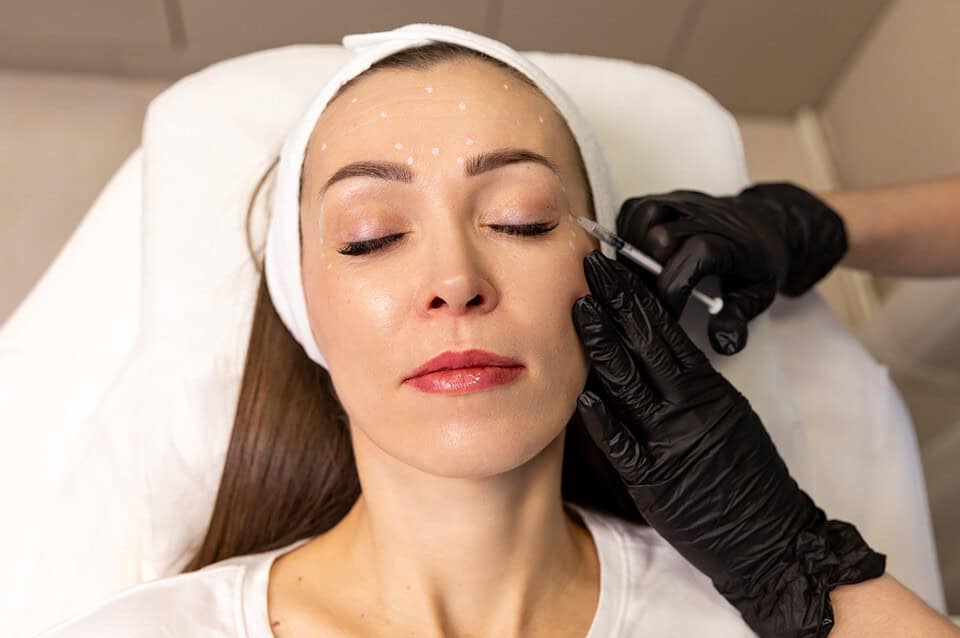
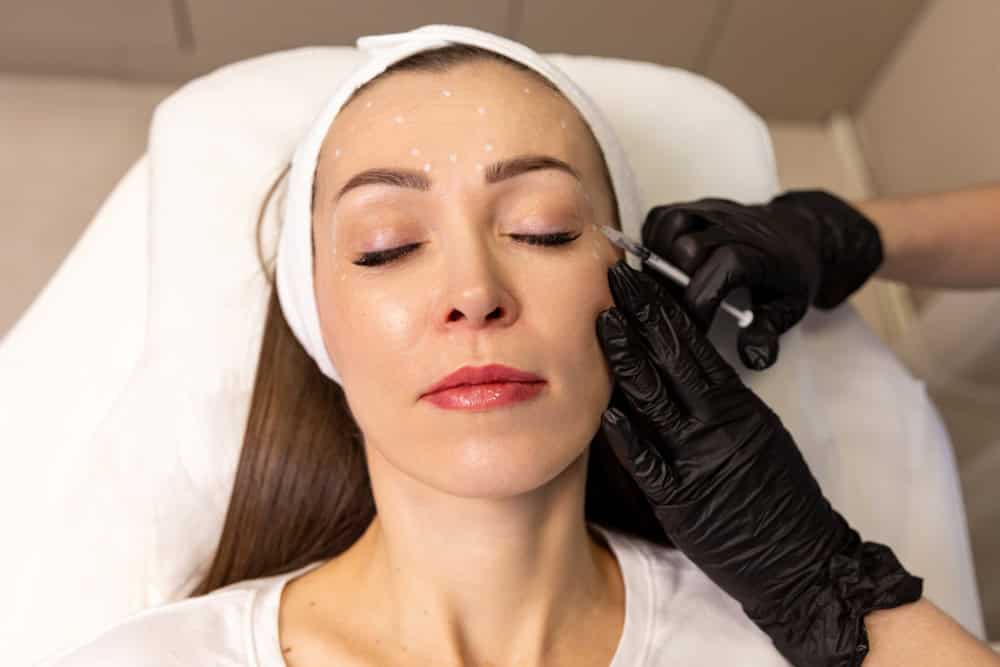
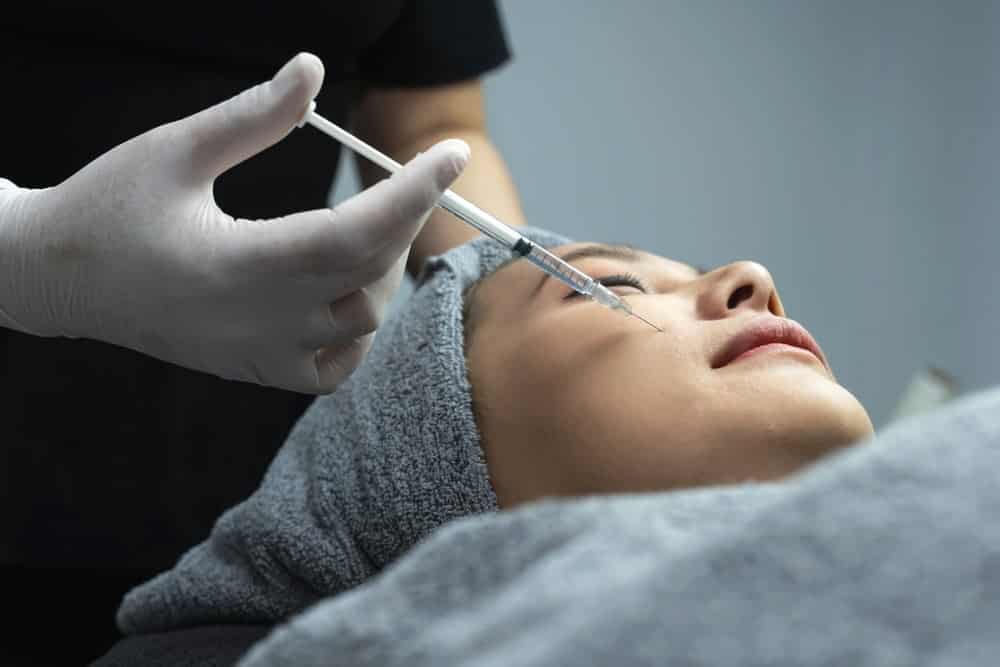
A nasolabial fold filler treatment uses hyaluronic acid to soften the crease. This type of nasolabial fold dermal filler binds water and adds structural volume, lifting the depression and reducing the shadow that makes folds visible.
Even so, the placement is more nuanced than it sounds. A skilled injector rarely fills only the fold itself, as they place a portion of the product in the cheek above the fold to restore the midface support that has descended over time. The fold softens from the lift, not just from the fill.
Good candidates for receiving this treatment are those who have:
- Moderate to deep folds
- Realistic expectations about softening rather than erasing
- No active skin infections in the area
It is advisable to consult your doctor about other options before proceeding if you are pregnant, have specific autoimmune diseases, or have experienced severe complications with fillers in the past.
Understanding the Nasolabial Fold Filler Technique
Two main approaches exist for administering nasolabial fold fillers:
- Needle: precision for small, targeted deposits.
- Cannula: blunt-tipped, fewer punctures, less bruising, and slightly less vascular risk in this area.
Common injection patterns include linear retrograde threading, fanning out from one entry point, and layered placement at different depths. The right choice depends on fold depth, skin thickness, and what the cheek above needs structurally.
However, careful attention to vascular safety is essential for this technique, and it is particularly important in this context. This is because the angular artery is located near the nose and provides blood to the eye, so incorrect methods may lead to severe issues. Skilled injectors preserve a natural crease, as a complete erasure of the fold appears artificial.
How Long Nasolabial Fold Fillers Last
Most patients see results lasting around 6 to 12 months. Some get longer, depending on the product, injection depth, and individual metabolism.
- What tends to shorten it: fast metabolism, heavy expression patterns, smoking, and frequent intense exercise.
- What supports longevity: daily sun protection, good skincare, and following aftercare guidance.
A reasonable touch-up cadence is once a year, or whenever the fold visibly returns. Small top-ups maintain results more naturally than restarting from zero every time, which is what most patients eventually settle into.
What to Expect: Results, Recovery, and Safety
After the treatment is administered, you can expect immediate softening. The final settled look usually shows after about a week, once swelling resolves. But deep folds soften rather than disappear entirely, and that is the realistic outcome to plan for.
Recovery may include redness, some swelling, tenderness, and slight bruising that should fade within a week. Do not engage in vigorous activity, expose yourself to heat, or put pressure on the site for 24-48 hours.
Vascular occlusion is a rare but serious risk, underscoring the importance of injector skill and the need for clinics to stock hyaluronidase. Minor issues such as lumps or unevenness typically correct themselves or can be fixed with a brief follow-up appointment.
Choose Nirunda Clinic for Nasolabial Fold Filler in Bangkok
Nasolabial fold filler uses hyaluronic acid to soften the creases from nose to mouth, with the most natural results coming from pairing fold work with cheek support rather than overfilling the crease itself. The effects generally endure for 6 to 12 months, and due to the vascular structure around the nose, the method and the practitioner’s skill are as crucial as the filler.
At Nirunda International Aesthetic Clinic, we bring over 10 years of experience in injectable aesthetics, with board-certified dermatologists and international accreditation, including ISAPS and IFAAS. Our clinic uses only US FDA-approved HA fillers like Restylane and Juvederm, and we begin every treatment with an in-person consultation to assess whether fold filler, cheek support, or a combination suits your face.
Plan your nasolabial fold treatment by booking a consultation at Nirunda Clinic, your trusted beauty clinic in Bangkok, offering tailored filler injections in Bangkok. Our dermatologists will assess your face in person and recommend whether fold filler, cheek support, or a combination gives you the most natural, FDA-approved result.
References:
- Aging Face: Why Volume Loss Matters. Retrieved March 18, 2026, from https://www.plasticsurgery.org/cosmetic-procedures/dermal-fillers
- Hyaluronic Acid Fillers: Clinical Use and Safety. Retrieved March 18, 2026, from https://www.aad.org/public/cosmetic/younger-looking/dermal-filler-do-dos-donts
- Dermal Fillers Overview and Procedure Details. Retrieved March 18, 2026, from https://my.clevelandclinic.org/health/treatments/22667-dermal-fillers
- FDA-Approved Dermal Fillers. Retrieved March 18, 2026, from https://www.fda.gov/medical-devices/cosmetic-devices/dermal-fillers-approved-center-devices-and-radiological-health