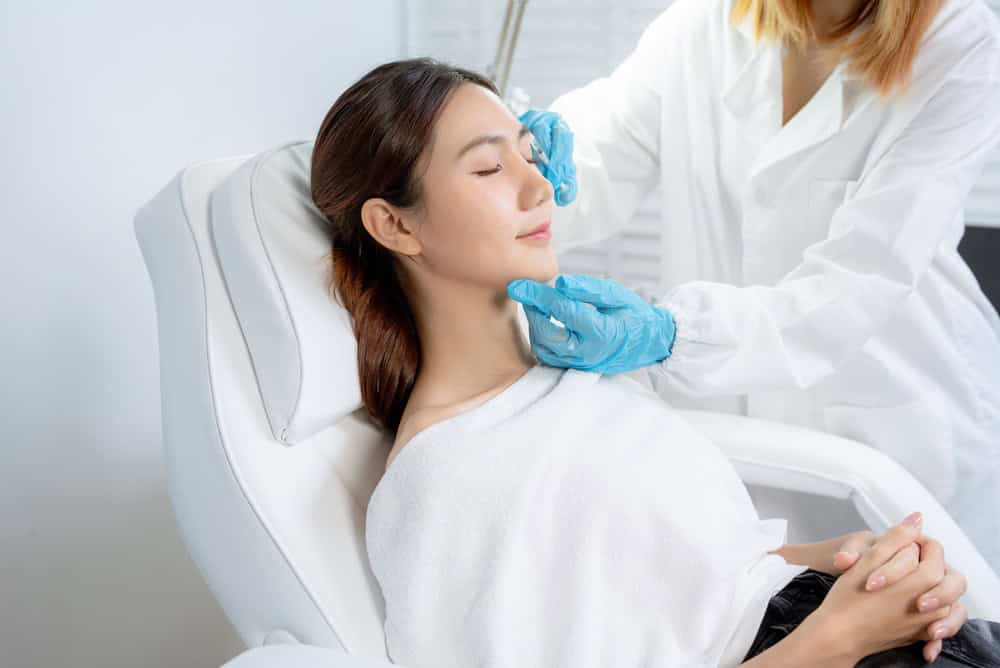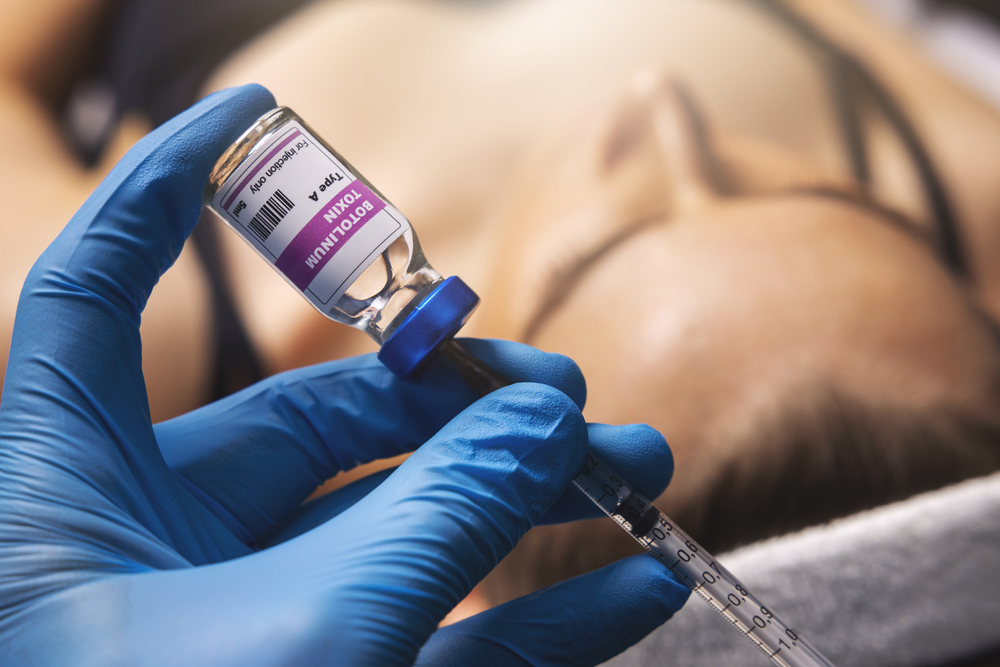


What Potenza Microneedling Does for Acne Scars and Skin
Key Takeaway:
Potenza is an FDA-cleared RF microneedling treatment that combines ultra-fine needles with radiofrequency energy to work within the dermis, where acne scars and stretch marks form. The same collagen-stimulating process also firms the skin and refines texture, which allows Potenza to serve as a gradual skin-tightening option. Most treatment plans involve an initial series of three to four sessions spaced four to six weeks apart, with final results assessed around 12 weeks after the last session.
Acne scars and rough skin texture are persistent skin issues. For many, topical treatments and facials offer minimal improvement, particularly for deep-set scarring. While scars develop deep beneath the skin’s surface, most creams and serums only affect the top layer.
Potenza microneedling takes a different approach. It combines ultra-fine needles with radiofrequency (RF) energy to treat the dermis directly, the layer where scar tissue and collagen sit. For anyone considering Potenza treatment in Bangkok, the main appeal is its versatility. While primarily recognized for addressing acne scars and stretch marks, its collagen-boosting action also contributes to progressive skin tightening and improved texture.
What Is Potenza RF Microneedling?
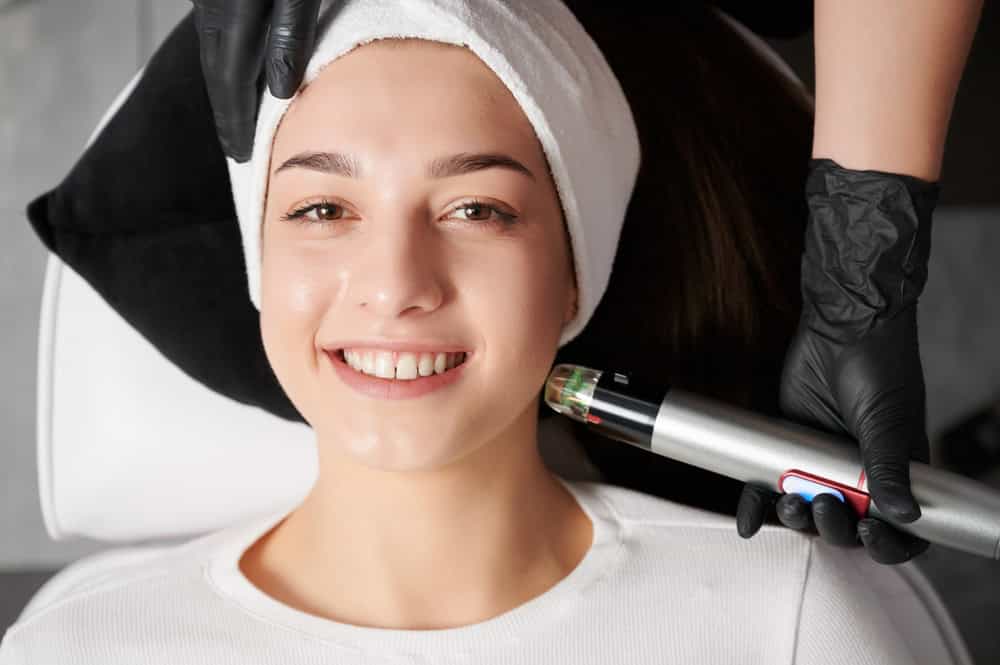
It is an FDA-cleared device that does two things at once: the ultra-fine needles create microscopic channels in the skin, while radiofrequency energy passes through those needles to heat the deeper dermis. This combination of controlled micro-injury and heat prompts the body to produce new collagen and elastin over the following weeks.
Potenza’s crucial distinction from older methods lies in a single aspect. Traditional microneedling is a mechanical process without heat, while fractional lasers primarily resurface the skin’s uppermost layers. Potenza supplies energy via needles, with adjustable tips and RF settings allowing practitioners to tailor depth and energy to specific concerns.
Why Potenza Treats Acne Scars and Stretch Marks
Acne scars form within the dermal layer of the skin. This is why creams and most facials have a limited effect: they cannot reach the depth where the damage occurs.
A Potenza facial in Bangkok addresses this in two ways at once:
- The needles physically break up dense, disorganized scar tissue.
- The radiofrequency energy stimulates new collagen, which gradually fills the depressed area from beneath.
Stretch marks respond to the same principle, as they are essentially bands of damaged collagen. Expectations should be realistic, however. Newer scars and pink or red stretch marks tend to improve more readily, while older, deeply pitted scars and white stretch marks are more resistant and usually need additional sessions for a more modest result.
Potenza for Skin Tightening and Texture
The collagen-building process that improves scars also helps firm the skin. Many patients seek treatment for scarring and notice added benefits in texture: smaller-looking pores, softened fine lines, and a firmer feel along the cheeks, jawline, and neck. This is why Potenza is also valued for skin tightening.
This benefit is especially useful in Bangkok due to intense sun and pollution that speeds up skin aging, leading many to use it for continuous upkeep instead of a single treatment. Potenza offers greater flexibility than specialized lifting procedures like Ultherapy and Thermage, as it also addresses scars and texture, although its firming benefits appear over time. For more pronounced laxity, it often works best within a broader approach to skin tightening for the face.
What a Potenza Session Involves
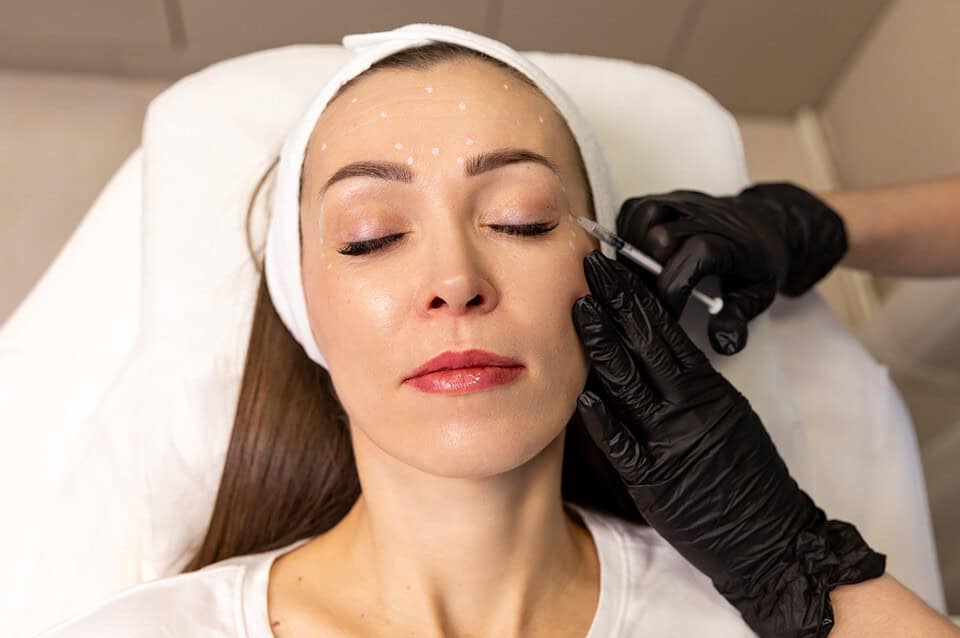
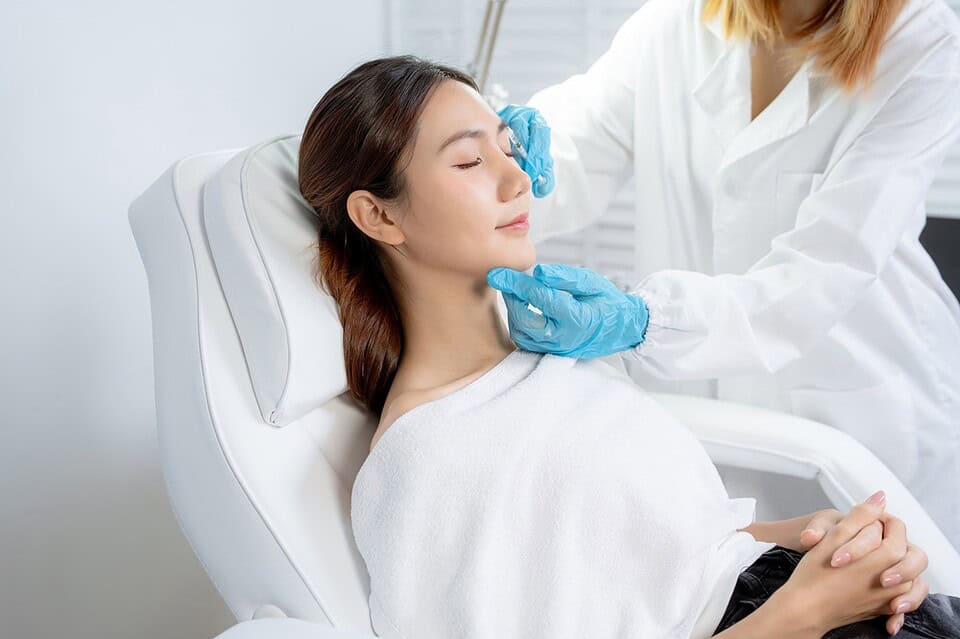
A Potenza session starts with a consultation and a skin assessment. The provider assesses the scar’s nature and the treatment zone, then adjusts the needle depth and RF power for the individual.
A topical numbing cream is applied and left for approximately 30 to 45 minutes to ensure comfort. The treatment itself usually takes between 30 and 60 minutes, although larger areas may need more time. Patients frequently ask how painful Potenza is. Most describe the sensation as warm and prickly rather than sharply painful, and the numbing cream considerably reduces any discomfort.
Immediately afterward, the skin appears flushed, similar to a moderate sunburn, and minor pinpoint bleeding may occur. Both are normal and short-lived.
Recovery, Aftercare, and Results Timeline
Recovery is generally brief. Most patients experience 24 to 72 hours of redness and mild swelling, and many return to work the next day once the initial redness has eased.
For the initial 48 hours, patients should typically steer clear of makeup, strenuous activity that causes sweat, heat exposure from saunas or hot showers, direct sunlight, and potent skincare components like retinoids and acids.
Results develop gradually. Improvements in smoothness and tone usually appear around weeks two to four, while more significant changes to scars and stretch marks build over three to six months as collagen remodels. For patients tracking their own before and after results, the final outcome of a Potenza series is best assessed about 12 weeks after the last session.
How Often Should Potenza Sessions Be Done
For acne scars and stretch marks, most practitioners recommend an initial series of three to four sessions spaced four to six weeks apart. Deeper or older scars may need more. For skin tightening and texture maintenance, one to two sessions per year after the initial series is generally sufficient.
The spacing is deliberate, as collagen remodeling takes time, and closely scheduled sessions do not speed up results. Potenza pairs well with PRP and skin boosters but should be spaced apart from Botox, dermal fillers, and ablative lasers.
Who Should Avoid or Postpone Potenza
Potenza is generally well tolerated, but it is not suitable for everyone. Patients should avoid the procedure or consult a doctor first if they have:
- Active acne breakouts, open wounds, or any infection in the treatment area
- Recently used isotretinoin, have keloid-prone skin or a bleeding disorder, or are pregnant
- Experienced recent sunburn, sun damage, or an aggressive chemical peel within the past few weeks
Darker skin tones generally tolerate RF microneedling well, since the energy does not target pigment as some lasers do. Even so, an experienced practitioner is essential. For deeper skin tones, post-inflammatory hyperpigmentation is a further consideration, making correct settings and aftercare especially important.
Smoother Skin Starts at Nirunda Clinic in Bangkok
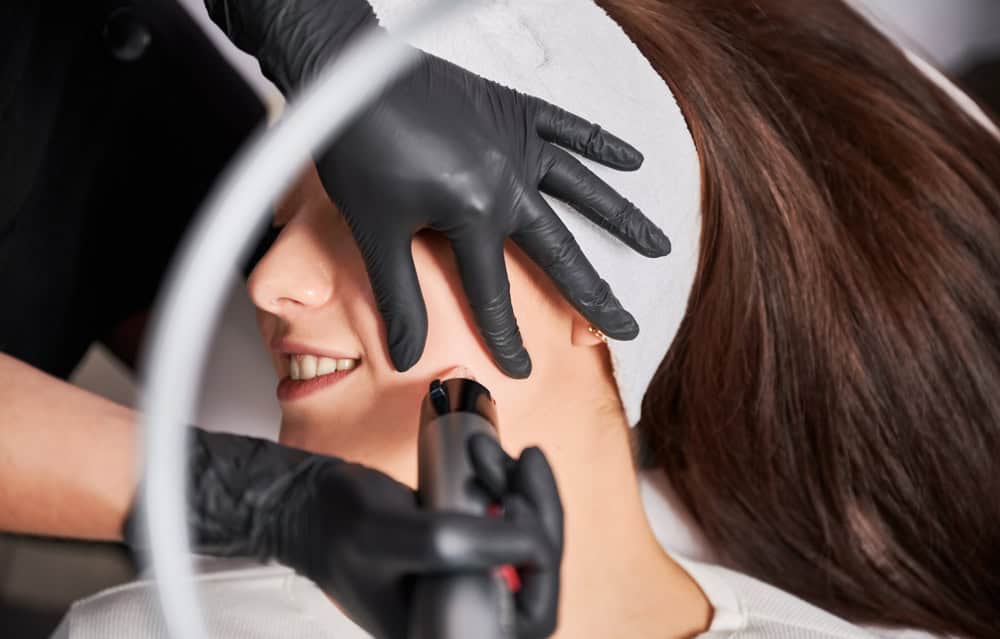
Nirunda International Aesthetic Clinic treats scars and skin concerns through a tailored program, not a single fixed treatment. Procedures are carried out by board-certified medical professionals with years of experience in dermatology and aesthetic medicine, using US FDA-approved laser, radiofrequency, ultrasound, and injectable technologies.
Acne scars, stretch marks, and loose skin are addressed by tailoring the optimal device and treatment plan to each individual’s skin type and objectives, following a personalized consultation. The treatment is administered in a private, comfortable Bangkok location, adhering to strict safety protocols and featuring structured follow-up throughout the treatment course.
Book a consultation at Nirunda Clinic today for an in-person assessment of your scars, skin texture, and the treatment options best suited to you.
References:
The Role of Fractional Radiofrequency in Long-term Acne Remission and Reduction of Acne Scar Load. Retrieved on 22 May 2026, from https://academic.oup.com/asj/article/45/Supplement_1/S23/7958337
Microneedling Devices. Retrieved on 22 May, 2026 from https://www.fda.gov/medical-devices/aesthetic-cosmetic-devices/microneedling-devices
Frequently Asked Questions About Potenza Microneedling in Bangkok
Q: What is Potenza microneedling and how does it work?
A: Potenza is an FDA-cleared RF microneedling device. Ultra-fine needles create microscopic channels in the skin while radiofrequency energy heats the deeper dermis at the same time. This combination stimulates new collagen and elastin, which softens acne scars, refines texture, and gradually firms the skin.
Q: How painful is Potenza microneedling?
A: Most patients describe Potenza as warm and prickly rather than sharply painful. A topical numbing cream is applied for approximately 30 to 45 minutes beforehand to ensure comfort. Mild redness afterward, similar to a moderate sunburn, is normal and usually settles within a few days.
Q: How often should Potenza sessions be done?
A: How often to do Potenza depends on the concern being treated. For acne scars and stretch marks, most practitioners recommend an initial series of three to four sessions spaced four to six weeks apart, with deeper scars sometimes requiring more. Following this, one to two maintenance sessions per year help sustain tightening and texture results.
Q: How long does it take to see results from Potenza?
A: Initial improvements in smoothness and tone generally appear around weeks two to four. More significant changes to scars and stretch marks develop over three to six months as collagen remodels. The final result of a treatment series is best assessed approximately 12 weeks after the last session.