

Botox Can Leave You with a Smooth, Wrinkle-Free Forehead

Key Takeaways
- Forehead botox relaxes the muscle that creases your forehead, so the horizontal lines soften while your expressions still move naturally.
- It is a quick, non-surgical forehead wrinkle treatment. Most people are in and out in a few minutes and back to their day with no downtime.
- The forehead usually needs about 10 to 30 units, and the exact number depends on your muscle strength, the depth of your lines, and whether the frown lines are treated at the same time.
- You will notice the first softening in 3 to 5 days, the full result at 1 to 2 weeks, and it generally lasts 3 to 6 months.
- At Nirunda Clinic, board-certified dermatologists use genuine, US FDA-approved brands such as Allergan Botox, Dysport, and Xeomin, chosen to suit your face.

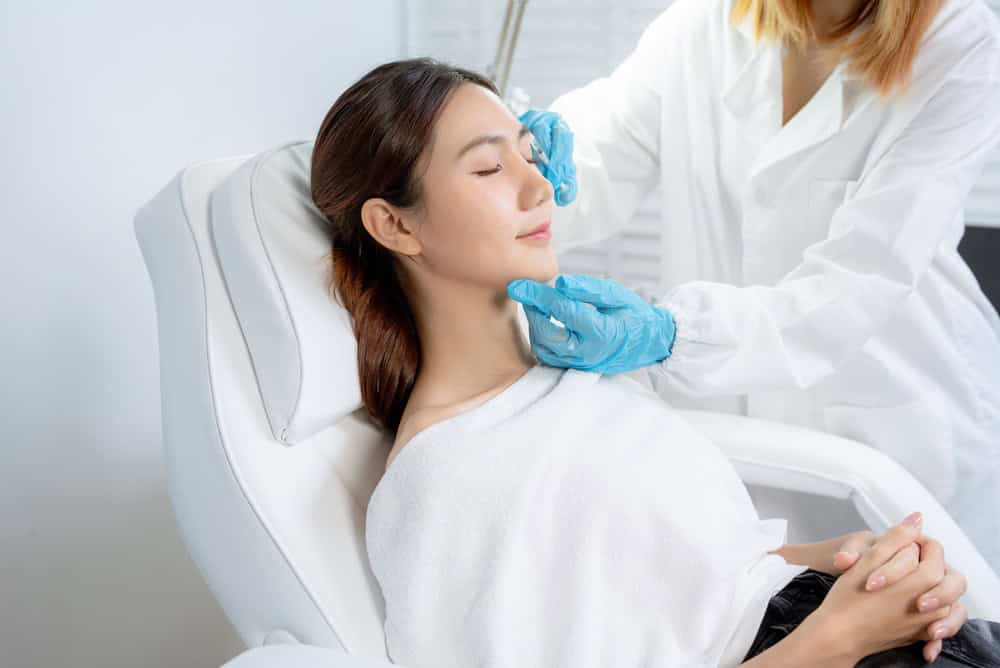
Those horizontal lines that show up when you raise your eyebrows are among the first signs of aging most people notice, and forehead botox in Bangkok is one of the simplest ways to soften them. At Nirunda Clinic, board-certified dermatologists use small, precise doses of botulinum toxin to relax the muscle that creases the forehead, so the skin above it smooths out. It is a fast, non-surgical wrinkle-free treatment, and a popular form of botox in Bangkok for anyone who wants to look less tired without changing the way their face moves.
The aim here is always a soft, natural result. Nirunda’s doctors ease the deeper creases while keeping your expressions intact, so you still look like yourself, only more rested and refreshed. There is no surgery involved and no recovery time, which is a big part of why the treatment has become so popular.
What Botox Is and How It Works on the Forehead
Botox is a purified form of botulinum toxin, a protein that temporarily relaxes muscle activity. Most people know it as a wrinkle treatment, but the same protein has been used in medicine for years to help with migraines, muscle spasms, and excessive sweating. Used cosmetically on the forehead, it is a well-established, non-surgical option in aesthetic medicine.
Dynamic and Static Lines
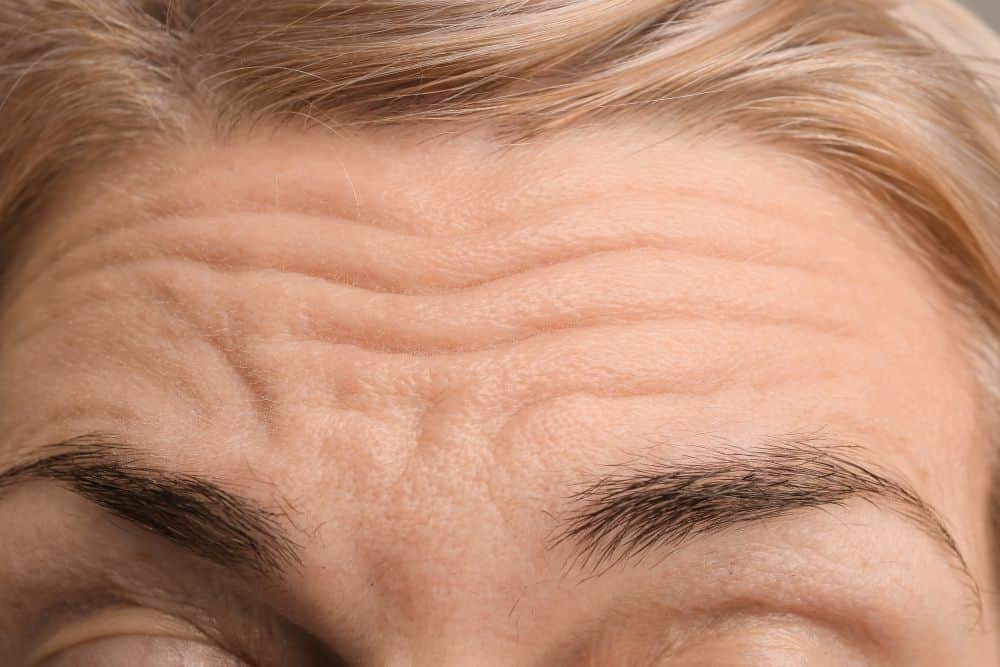
Forehead lines are what doctors call dynamic wrinkles. They build up over years of raising your eyebrows, as the frontalis muscle folds the skin in the same spots again and again. Static lines are a little different. They stay visible even when your face is completely still, and they come more from lost collagen than from movement.
How The Injections Work
Botox for forehead wrinkles works by gently blocking the nerve signals that tell the frontalis muscle to contract. With that muscle relaxed, it stops folding the skin, and the horizontal lines above it soften and fade. This is why botox for forehead lines is such a dependable treatment. It calms the very muscle that creates the crease rather than masking it on the surface, and because the effect wears off over a few months, nothing about it is permanent.
Pairing The Forehead With The Frown Lines
Forehead lines rarely travel alone. They usually sit alongside the vertical frown lines between the brows, sometimes called the 11 lines, so treating both areas together keeps the upper face balanced and avoids a heavy look. Where a line is deep and static, a filler injection is sometimes added, because filler restores volume in a way that Botox alone does not.
Genuine FDA-Approved Botox Brands We Use
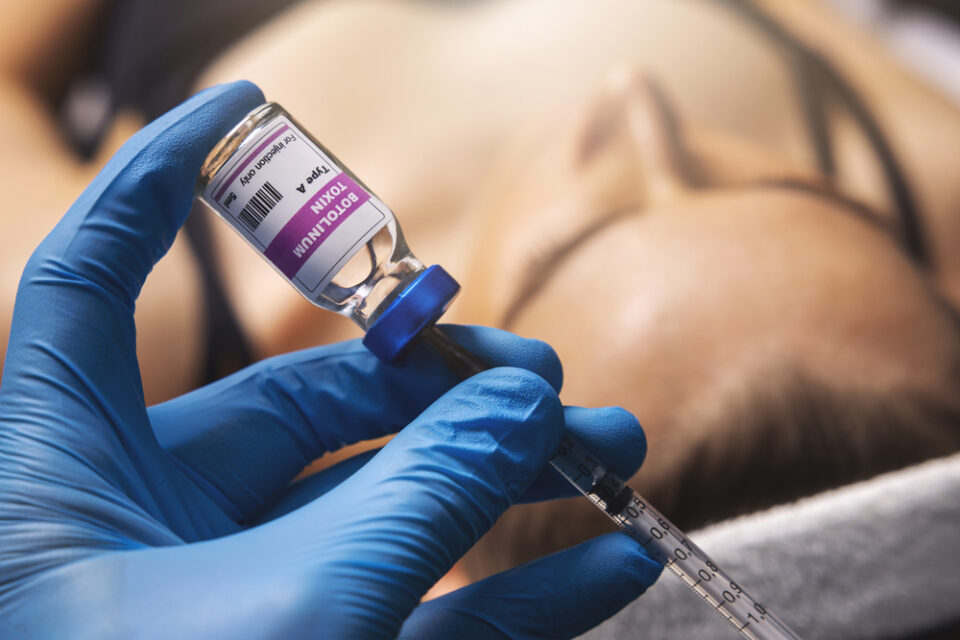
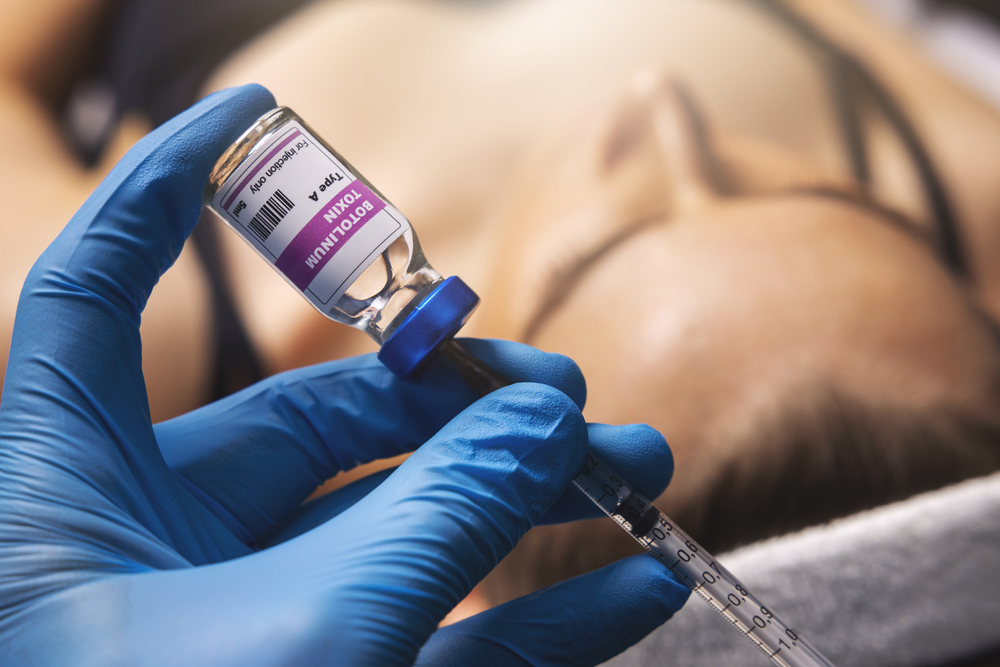
There is a lot of product on the market that is not what it claims to be, so Nirunda only uses genuine, US FDA-approved botulinum toxin from established brands. The three you are most likely to be offered are Allergan Botox from the United States, Dysport, and Xeomin, and the doctor will help you choose based on your muscles and your goals.
How The Brand Differs
Each one behaves a little differently. Allergan Botox is the long-standing standard and tends to last around 3 to 6 months. Dysport spreads slightly more evenly, which can suit a broad area like the forehead, though its effect may not hold quite as long. Xeomin is a purer formula with a lower chance of resistance over time, which some patients prefer. Whichever is used, you are welcome to ask about the brand and see the product before your treatment begins.
Forehead Botox Dosage and Units
One of the most common questions is how many units the forehead actually needs. For most people, the horizontal forehead lines take somewhere around 10 to 30 units. The right figure depends on how strong your forehead muscle is and how deep the lines have become.
Adding The Frown Lines
When the frown lines between the brows are treated in the same session, they usually add another 10 to 25 units. Balancing the two areas matters, because relaxing the forehead without softening the frown muscles can leave the brows feeling heavy, so the doctor plans the whole upper face together.
Why The Dose Is Personalized
There is no single correct dose. Men often need a little more, since their forehead muscles tend to be stronger, and someone with fine, early lines will need far less than someone with deep, set creases. Your plan is decided at the assessment, not read off a fixed list.
The Forehead Botox Treatment and Timeline
Consultation and Facial Mapping
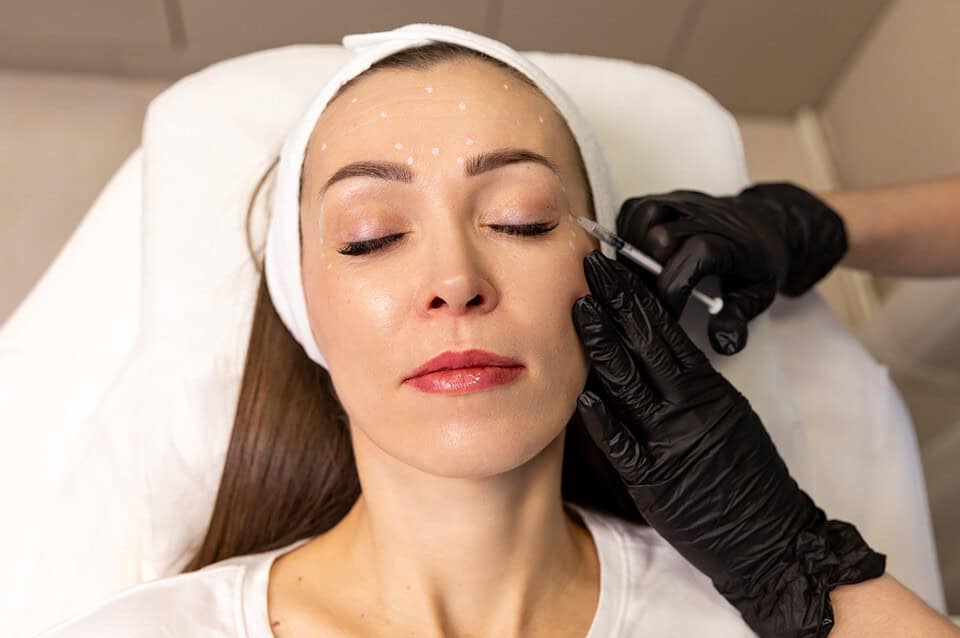
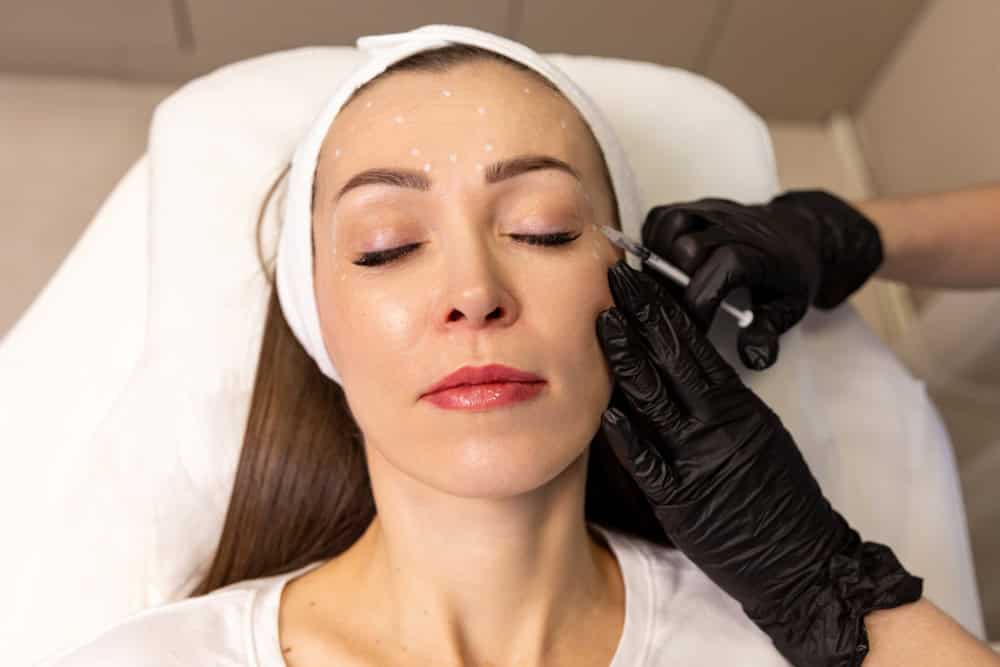
Every session starts with a proper look at your face. The doctor watches how your forehead moves, then marks the exact injection points, keeping a safe distance from the brow so there is no risk of a heavy or dropped eyebrow.
The Injection Itself
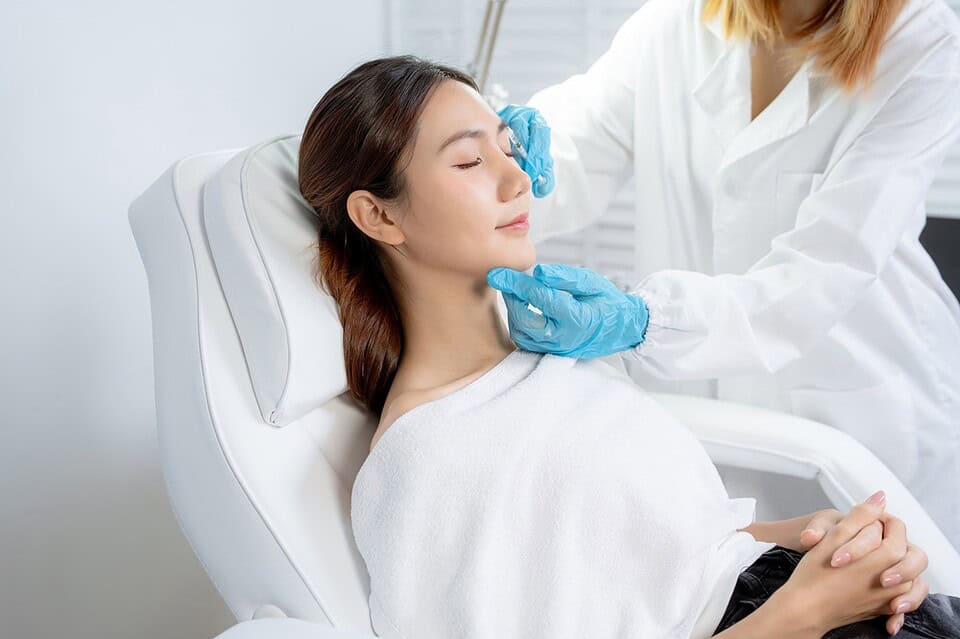
The injections take only a few minutes. Most people describe a quick pinch, and a little ice or numbing cream can be used if you would like it. There is no downtime, so you can head straight back to work or your day afterward.
When You Will See Results
The first softening usually shows in 3 to 5 days, and the full, smooth result settles in at about 1 to 2 weeks. From there it generally holds for 3 to 6 months before a top-up is due, depending on your metabolism and how much your forehead moves.
Pre-Treatment and Aftercare Guidelines
Before Your Appointment
To keep bruising to a minimum, it helps to avoid alcohol, aspirin, NSAID painkillers, fish oil, and vitamin E for about 48 to 72 hours beforehand. Let the doctor know about any medicines, supplements, or health conditions in advance.
After Your Treatment
- Leave the treated area alone for 24 hours, with no rubbing, massaging, or makeup on the forehead
- Move your forehead gently now and then, as a few eyebrow raises help the product settle in
- Skip intense exercise, saunas, and hot showers for at least two days
Forehead Botox Cost in Bangkok
Forehead botox cost in Bangkok comes down to how many units you need and which brand is used, so it is quoted per unit or per area rather than as one flat fee. Because the forehead usually sits in the 10 to 30 unit range, it is one of the more affordable areas to treat. The honest answer to how much is botox for forehead is that it is set at your consultation, once the doctor has assessed your muscles and agreed a plan with you.
What your treatment includes:
- A consultation and facial assessment with a board-certified dermatologist
- Genuine, US FDA-approved product
- The injections themselves, placed to a plan built around your face
- A follow-up review, so the result can be checked once it has fully settled
As with any injectable, the person holding the needle matters more than a low headline price. Genuine product and an experienced, board-certified injector are what keep the result both natural and safe.
Why Choose Nirunda for Forehead Botox
Where you have forehead botox done makes a real difference to how natural it looks, so it is worth choosing with care. At Nirunda Clinic you can expect:
- Board-certified dermatologists with more than a decade of experience in facial Botox
- Genuine, US FDA-approved products, with the brand chosen to suit your muscles and goals
- A natural-results approach that softens the lines while keeping your forehead expressive
- Careful mapping to protect the brow, so there is no heavy or dropped-brow look
- A central Bangkok location near Phrom Phong BTS, with consultations in English, Japanese, and Thai
At your consultation, the team is glad to walk you through real forehead botox before and after photos of patients treated here at Nirunda, on foreheads similar to yours. Seeing genuine results is the most honest way to picture what the treatment can do for you.
Curious what forehead botox could do for your lines? Book a consultation at Nirunda Clinic, and our board-certified dermatologists will map a plan around your face.
Frequently Asked Questions About Forehead Botox
Q: Will forehead Botox make my eyebrows or eyelids droop?
A: It is very rare. When the injections are placed correctly, at a safe distance from the brow, drooping simply should not happen. It is almost always a sign of an inexperienced injector, which is exactly why the doctor maps your forehead so carefully first.
Q: How many units of Botox for forehead?
A: Most foreheads need somewhere around 10 to 30 units, depending on how strong the muscle is and how deep the lines are. Men often need a little more. Your exact dose is decided at the assessment.
Q: Does getting Botox in the forehead hurt?
A: Not much at all. Most people feel only a small pinch. The needles are very fine, and ice or a topical numbing cream can be used for extra comfort.
Q: Will my face look frozen or unnatural?
A: No. The doctors use small, precise doses to soften the lines while keeping your natural movement, so your forehead still looks expressive, just smoother and more rested.
Q: How long does Botox last in forehead?
A: The result usually lasts about 3 to 6 months before it gently fades. How long yours lasts comes down to your metabolism and how much your forehead moves.
Q: How often should I get forehead Botox to maintain results?
A: Most people come back every 4 to 6 months. With regular treatment the muscle gradually learns to relax, and many patients find they need fewer units over time.
References:
- Botox Injections – Retrieved July 18, 2025, from – https://www.mayoclinic.org/tests-procedures/botox/about/pac-20384658#:~:text=Sweating.,Infection%20at%20the%20injection%20site.