
Best Botox Injection Areas on Face and Their Units
Key Takeaways
- The three highest-impact Botox injection areas for a younger look are forehead lines, glabellar frown lines, and crow’s feet.
- Typical unit ranges: forehead 10 to 30 units, frown lines 10 to 25 units, and crow’s feet 5 to 15 units per side. All dosing is adjusted to muscle strength and treatment goals.
- Lower-face and jaw Botox injection sites like lip flip, chin, and masseter require more precision and often use higher unit counts, especially for V-shape jaw slimming (15 to 50 units per side).
- Most complications come from inexperienced injectors, not the zone itself. Clinic credentials matter more than which area is being treated.
- Preventative Botox in your 20s and 30s targets dynamic wrinkles early. In your 40s and 50s, Botox often pairs with fillers for combined dynamic and static wrinkle treatment.
- Get a tailored plan for Botox injection in Bangkok at Nirunda Clinic, mapped to your specific muscles and treatment goals.
Many individuals seeking their first Botox consultation want a refreshed look but are unsure about the best areas to treat. Choosing incorrectly can result in wasted money and time and can paradoxically create the stiff appearance one sought to prevent.
Botox works by relaxing the muscles responsible for dynamic wrinkles, which are creases caused by repeated facial expressions, not by volume loss or gravity. Therefore, the optimal injection sites vary for each individual based on their specific overactive muscles. From forehead to jaw, here are the most effective Botox injection sites and units per area, along with the risks that separate a skilled injector from a risky one.
Not sure which areas to treat? Start with a facial assessment at Nirunda Clinic.
Why Botox Targets Some Areas Better Than Others
Dynamic and static wrinkles differ, so effective treatment planning requires recognizing this distinction.
Botox effectively treats dynamic wrinkles, which arise from consistent muscle contractions. Fillers or resurfacing, not muscle relaxants, are necessary for static wrinkles, which are visible even when the skin is not moving. A combination of both is common for most patients.
The face also splits between upper and lower zones for Botox purposes. The upper face, meaning the forehead, frown lines, and crow’s feet, is where most Botox goes. The lower face typically calls for a mix of Botox and filler injections for balanced results, since volume loss and skin support come into play alongside muscle activity.
Muscle relaxation is the objective, not paralysis, and precise dosing ensures natural-looking or frozen results.
The 3 Best Areas to Get Botox
These are the three highest-impact Botox injection areas on the face for softening the visible signs of expression.
Forehead Lines
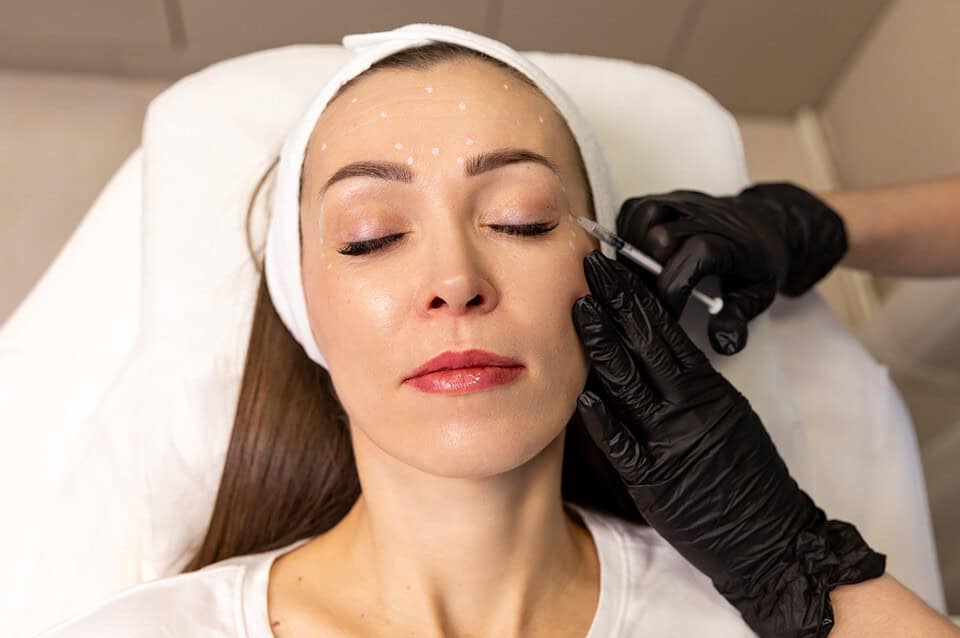
Forehead lines are horizontal lines across the frontalis muscle. Smoothing them creates a rested, open look without heaviness in the brows. The typical range is 10 to 30 units, adjusted down for smaller or less expressive foreheads.
Overdosing this zone is a common reason for the heavy-brow look that patients try to avoid.
Frown Lines (Glabellar or “11” Lines)
These vertical lines between the brows target the corrugator and procerus muscles. Softening them removes the chronically tired or angry expression that forehead Botox alone does not fix.
The typical range is 10 to 25 units, and frown lines are often treated as a pair with the forehead for a coordinated result.
Crow’s Feet
Fine lines at the outer eye corners from squinting and smiling. These are among the earliest dynamic wrinkles to appear and the most visible in daily photos. The typical range is 5 to 15 units per side. Smaller doses preserve a natural-looking smile without freezing the eye area.
Collectively, these three domains focus on the facial signals that convey fatigue, stress, and age before other expressions. The clearest “younger without looking done” outcome comes from softening all three, which is where most initial patients begin.
Full Face Botox Injection Sites and Units for Every Area
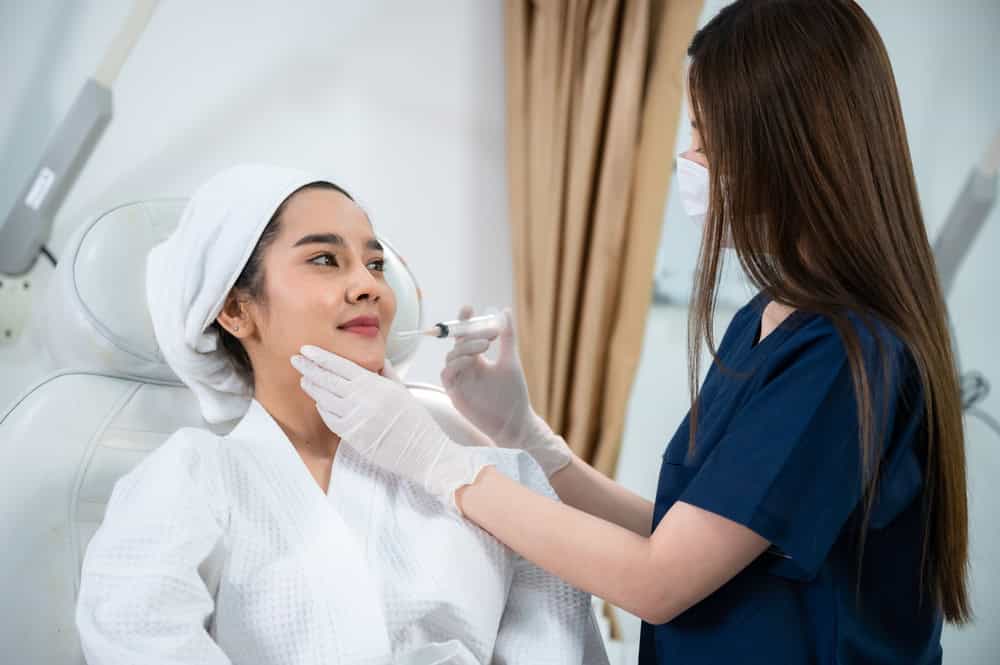
There are other Botox injection sites beyond the three big areas above. Knowing the full map and the treatment units by area helps you plan a session that suits your face.
- Upper face beyond the big three: eyebrow lift points (2 to 5 units per side), bunny lines at the nose (5 to 10 units per side).
- Lower face: lip flip or lip lines (2 to 6 units), downturned mouth corners (3 to 6 units per side), dimpled chin (2 to 6 units).
- Jaw and neck: masseter for jaw slimming and V-shaped face (15 to 50 units per side depending on muscle bulk) and neck bands (25 to 50 units).
- Beyond the face: armpit Botox for hyperhidrosis, effective for several months per session, available at Nirunda Clinic for patients dealing with excessive underarm sweating.
Note: All ranges are starting points. Dosing gets adjusted based on muscle strength, age, gender, and prior Botox history, and your injector will map exact units during your consultation.
The Riskiest Areas for Botox and What Can Go Wrong
Botox injection areas on the face all carry some risk, but a few zones demand more caution than others.
- Forehead and brow injections. Botox can cause eyebrow or eyelid droop, called ptosis, if too many units are used or placement is off. This is why the forehead calls for conservative dosing from experienced hands.
- Around the eyes. Injecting Botox too close to the orbital rim can affect eye moisture or cause asymmetry between the sides of the face. Precision here is non-negotiable.
- Mouth and lips. These demand the most technical care of the entire face. Misplacement affects drinking, speaking, or smiling temporarily, and the lower face is where inexperienced injectors tend to slip up.
Injector inexperience is the primary cause of complications across all zones, not the treatment area. Credentials matter more than the treatment area due to this.
Where to Get Botox on Face to Look Younger
Where to get Botox on your face to look younger depends more on your specific concerns than on your age, but there are a few patterns worth knowing.
- In your 20s and 30s: Light preventative doses at the forehead, glabella, and crow’s feet stop lines from becoming permanent. This is often called baby Botox.
- In your 40s and 50s: Patients tend to add lower-face areas like mouth corners, chin, and neck bands and often pair Botox with filler to address both dynamic and static wrinkles. A V-shape jaw goal calls for masseter Botox, which gradually shrinks the chewing muscle for a slimmer lower face and also helps with jaw tension and teeth grinding.
Focusing on shared concerns yields better results than adhering to age-based guidelines. A resting angry look affects the glabella; constant eye strain impacts crow’s feet and brow-lift areas; a broad jaw influences the masseter.
Get the Right Botox Plan at Nirunda in Bangkok
Botox can contribute to a younger, refreshed look, and the most effective Botox injection sites for results are forehead lines, frown lines, and crow’s feet, each targeting a distinct muscle group behind dynamic wrinkles. Even so, Botox is only as effective as an injector’s skill and experience, which makes finding the right Botox plan provider most important.
At Nirunda International Aesthetic Clinic, our board-certified dermatologists in Bangkok cover the full range of facial and non-facial Botox areas using US FDA-approved products. Our method ensures balanced, natural results, beginning each session with a facial assessment to determine the ideal areas and units for your face.
Book a consultation with us and explore your options for Botox injections in Bangkok at Nirunda Clinic today. Our team will help build a plan tailored to your needs, and if suitable, we also carry filler injections for pairing with Botox for a more complete result.

References:
Botulinum Toxin Type A for Aesthetic Use. Retrieved on June 24, 2026, from https://www.aad.org/public/cosmetic/age-spots-marks/botulinum-toxin
Botox: Uses and Safety Information. Retrieved on June 24, 2026, from https://www.mayoclinic.org/tests-procedures/botox
Cosmetic Botulinum Toxin Guidelines. Retrieved on June 24, 2026, from https://www.plasticsurgery.org/cosmetic-procedures/botulinum-toxin
Botox Safety and Side Effects Overview. Retrieved on June 24, 2026, from https://my.clevelandclinic.org/health/treatments/
Frequently Asked Questions About Botox Injection Areas
Q: What are the best 3 areas to get Botox?
A: The top three areas for a natural younger look are forehead lines, frown lines between the brows, and crow’s feet at the outer eye corners. Each targets a different muscle group behind dynamic wrinkles, and softening all three together delivers the most balanced anti-aging result without any single zone looking overdone.
Q: What is the riskiest place for Botox?
A: The riskiest Botox injection sites tend to be around the eyes and mouth. Injecting too close to the orbital rim can affect eye moisture or cause asymmetry, and lip and mouth-area Botox demands precision to avoid temporary trouble with drinking, speaking, or smiling. Most complications come from injector inexperience rather than the zone itself.
Q: Where to get Botox on face to look younger?
A: For a younger look, focus on the upper face, meaning the forehead, glabella, and crow’s feet. If you’re in your 40s or 50s, add lower-face zones like mouth corners and neck bands, which are often paired with filler for combined dynamic and static wrinkle treatment. Your injector will recommend zones based on your specific facial patterns during consultation.
Q: How many units of Botox are needed for the whole face?
A: A full-face treatment typically uses 40 to 60 units for the upper face (forehead, glabella, crow’s feet), plus additional units for any lower-face or jaw work. Total unit counts vary widely based on muscle strength, treatment goals, and whether jaw slimming or hyperhidrosis is included. Your injector will map the exact plan during your consultation.